Buttered Bread VS Sourdough Bread Slice
A detailed nutritional comparison
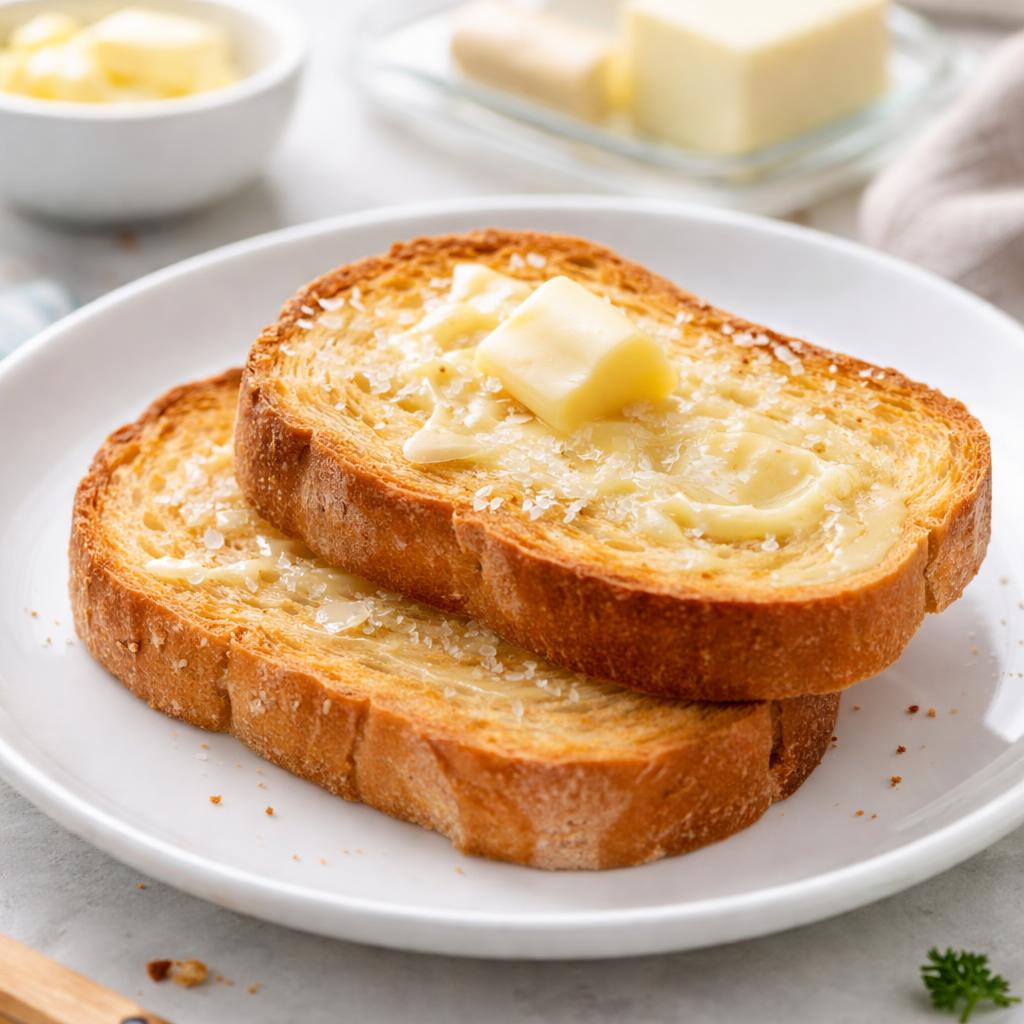
Buttered Bread
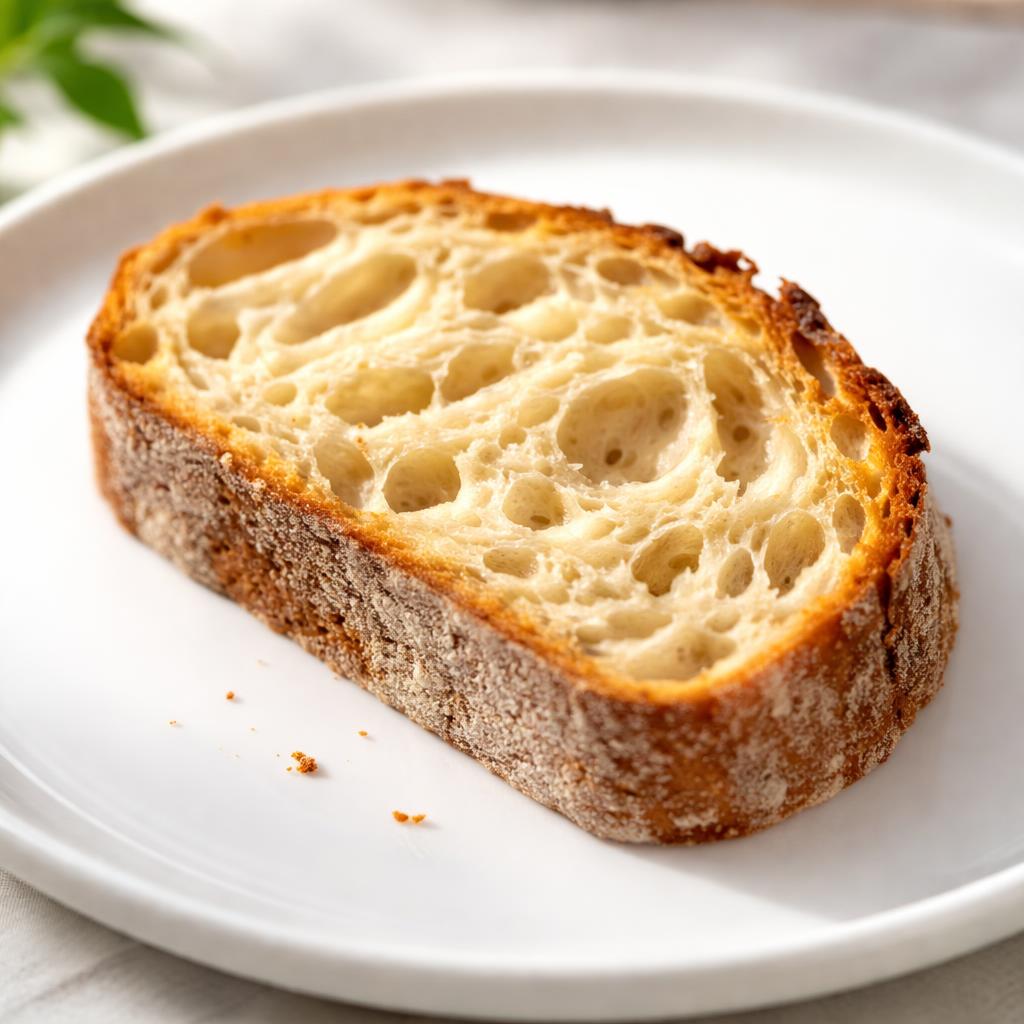
Sourdough Bread Slice
🎯 Quick Verdict
Sourdough bread is nutritionally superior to buttered bread in terms of calories, fiber, and protein, making it a healthier choice overall. However, buttered bread offers slightly higher fat content due to the butter—useful for adding quick energy or flavor, but less suitable for weight loss or heart-healthy diets.

Smart Nutrition Tracking with SnapCalorie

📊 Nutritional Comparison
Macronutrients
| Nutrient | Food 1 | Food 2 | Winner |
|---|---|---|---|
| Calories | 170 | 120 | ✓ |
| Protein | 4g | 5g | ✓ |
| Carbs | 22g | 20g | ✓ |
| Fat | 6g | 0.5g | ✓ |
| Fiber | 1g | 2g | ✓ |
Vitamins & Minerals
| Nutrient | Food 1 | Food 2 | Winner |
|---|---|---|---|
| Vitamin D | 0.5mcg | 0mcg | ✓ |
| Calcium | 15mg | 80mg | ✓ |
| Iron | 0.5mg | 0.8mg | ✓ |
🏆 Category Winners
Protein
Sourdough bread has 25% more protein per slice, promoting better satiety and muscle support.
Fiber
Sourdough bread offers double the fiber content, aiding digestion.
Calories
Sourdough bread has significantly fewer calories due to the absence of butter.
🥗 Diet Compatibility
Keto
Food 1: Not Compatible
Food 2: Not Compatible
Both are high-carb and do not fit into keto diet guidelines.
Vegan
Food 1: Not Compatible
Food 2: Compatible
Buttered bread contains dairy, whereas sourdough bread is typically vegan.
Gluten Free
Food 1: Not Compatible
Food 2: Not Compatible
Both are made from wheat flour and contain gluten.
Paleo
Food 1: Not Compatible
Food 2: Not Compatible
Both use grains, which are not paleo-friendly.
Low-Carb
Food 1: Not Compatible
Food 2: Not Compatible
Both exceed typical carb limits for low-carb diets.
💪 Health Benefits Comparison
Food 1 Benefits
- Quick source of energy due to carbs and fat
- Provides flavor and calories for energy-dense meals
- Contains small amounts of vitamin D from the butter
Food 2 Benefits
- Supports gut health due to natural fermentation
- Lower calorie option fits weight management goals
- Higher fiber and protein aid digestion and satiety
- Contains more minerals like calcium and iron
✅ The Bottom Line
Choose sourdough bread for a healthier, nutrient-dense option that's lower in calories and higher in fiber and protein. Use buttered bread if quick energy or flavor enhancement is your priority, but avoid it if weight or heart health is a concern.
Choose Food 1 for: Quick energy, flavor enhancement, indulgent meals
Choose Food 2 for: Weight management, gut health, heart-healthy or vegan diets


