Buttered Bread VS Breadcrumbs
A detailed nutritional comparison
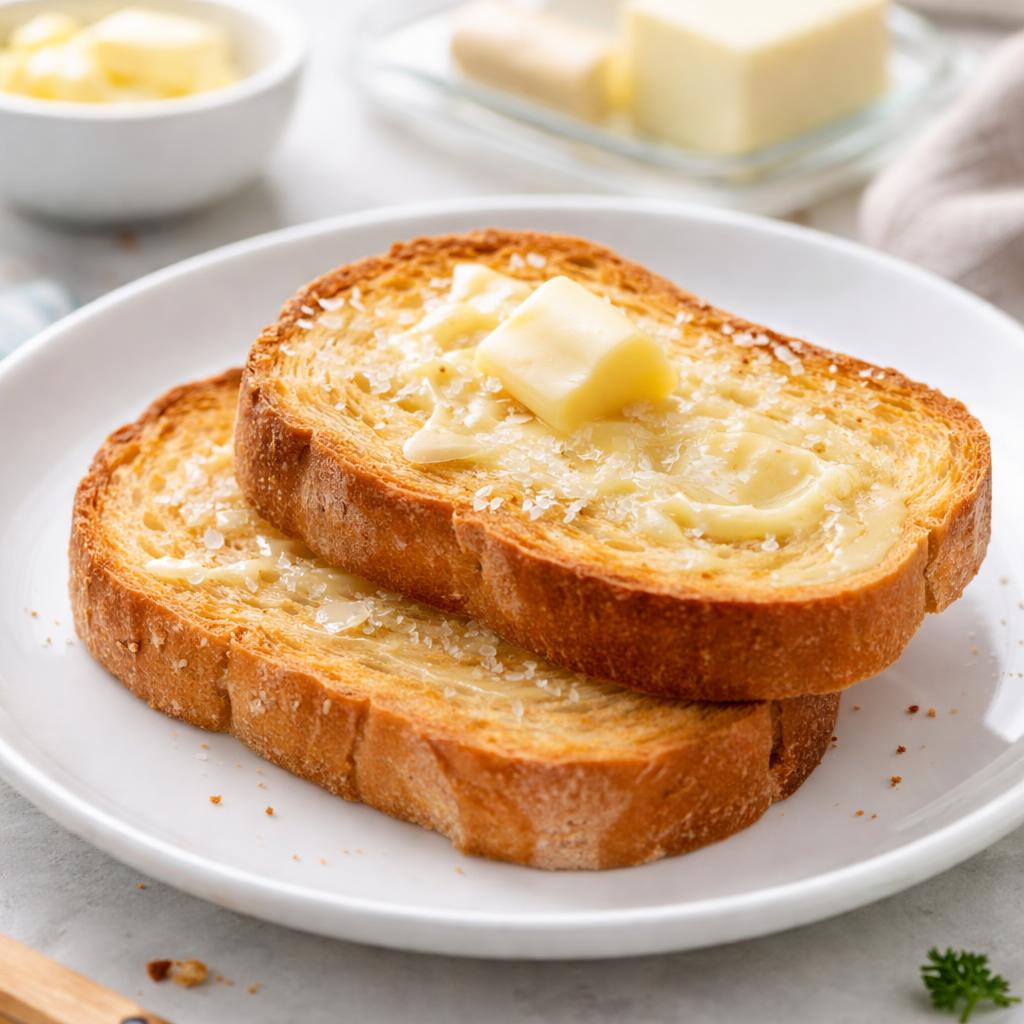
Buttered Bread
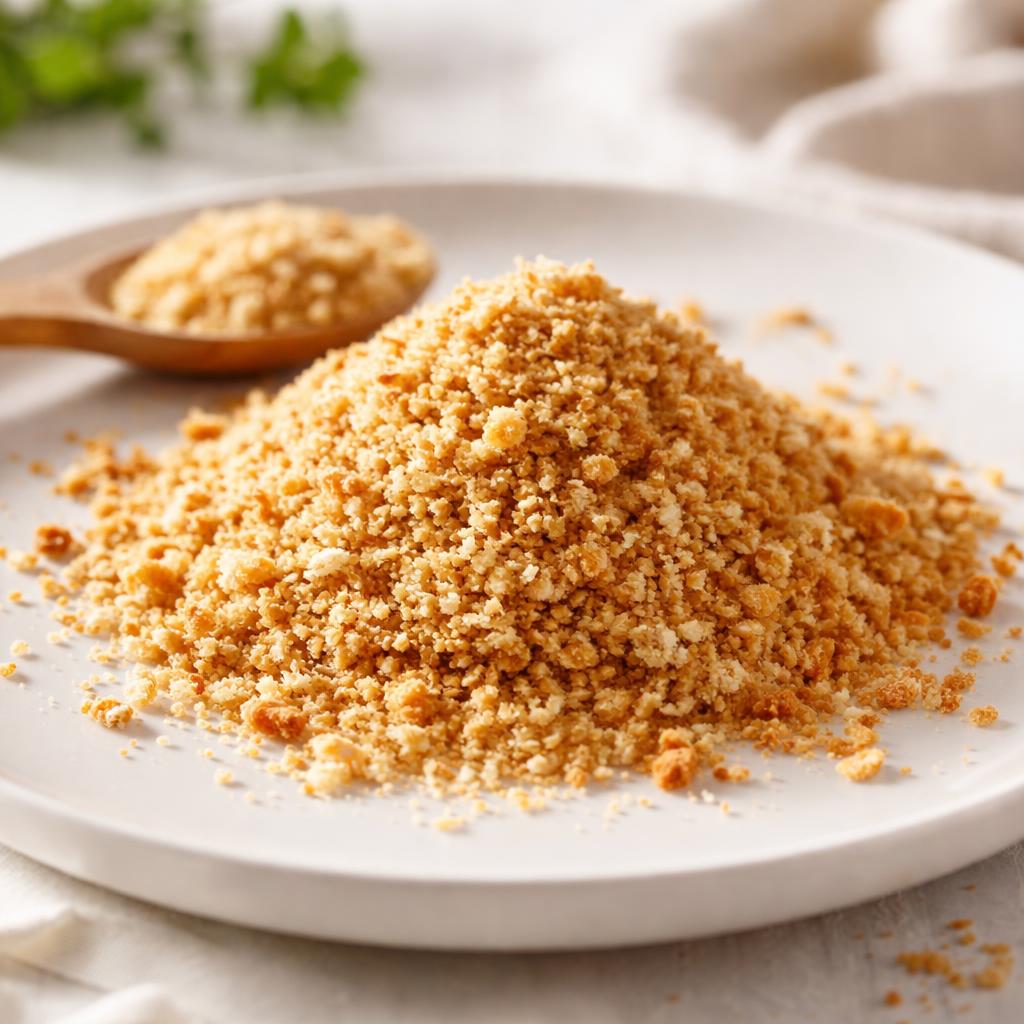
Breadcrumbs
🎯 Quick Verdict
Buttered bread is calorie-dense due to added fat from butter, offering more energy and a better source of vitamins. Breadcrumbs, on the other hand, are lower in calories, higher in fiber, and provide slightly more protein per serving size. Buttered bread is ideal for quick meals or snacks, while breadcrumbs are better suited for cooking or adding texture to dishes.

Smart Nutrition Tracking with SnapCalorie

📊 Nutritional Comparison
Macronutrients
| Nutrient | Food 1 | Food 2 | Winner |
|---|---|---|---|
| Calories | 150 calories per slice | 120 calories per 2 tbsp | ✓ |
| Protein | 3g per slice | 4g per 2 tbsp | ✓ |
| Carbs | 21g per slice | 15g per 2 tbsp | ✓ |
| Fat | 6g per slice | 1g per 2 tbsp | ✓ |
| Fiber | 1g per slice | 2g per 2 tbsp | ✓ |
Vitamins & Minerals
| Nutrient | Food 1 | Food 2 | Winner |
|---|---|---|---|
| Vitamin D | 0.2mcg | 0mcg | ✓ |
| Calcium | 30mg | 10mg | ✓ |
| Iron | 0.7mg | 1mg | ✓ |
🏆 Category Winners
Protein
Breadcrumbs have 33% more protein per serving.
Fiber
Breadcrumbs provide twice the fiber per serving compared to buttered bread.
Calories
Breadcrumbs have 20% fewer calories per serving than buttered bread.
Vitamins
Buttered bread contains higher levels of Vitamin D and Calcium due to the butter content.
🥗 Diet Compatibility
Keto
Food 1: Not Compatible
Food 2: Not Compatible
Both are high in carbs and not keto-friendly.
Vegan
Food 1: Not Compatible
Food 2: Compatible
Breadcrumbs are plant-based, but buttered bread contains dairy.
Gluten Free
Food 1: Not Compatible
Food 2: Not Compatible
Both foods typically contain wheat-based gluten.
Paleo
Food 1: Not Compatible
Food 2: Not Compatible
Both foods are processed and grain-based, not suitable for a paleo diet.
Low-Carb
Food 1: Not Compatible
Food 2: Not Compatible
Both are high in carbohydrates and not suitable for low-carb diets.
💪 Health Benefits Comparison
Food 1 Benefits
- Provides quick energy as a snack option.
- Good source of Vitamin D from butter.
- Calcium content supports bone health.
Food 2 Benefits
- High fiber supports digestion.
- Higher protein content promotes muscle repair.
- Lower calorie option for controlled portions.
✅ The Bottom Line
Choose buttered bread for a calorie-rich, comforting meal or snack with added vitamins. Opt for breadcrumbs as a lighter, fiber-rich, and nutrient-dense cooking ingredient. Both have distinct use cases depending on dietary goals.
Choose Food 1 for: Snacking, quick energy, Vitamin D and calcium boost.
Choose Food 2 for: Cooking applications, nutrient balance, lower calorie needs.


