Brown Rice VS Wholewheat Bread
A detailed nutritional comparison
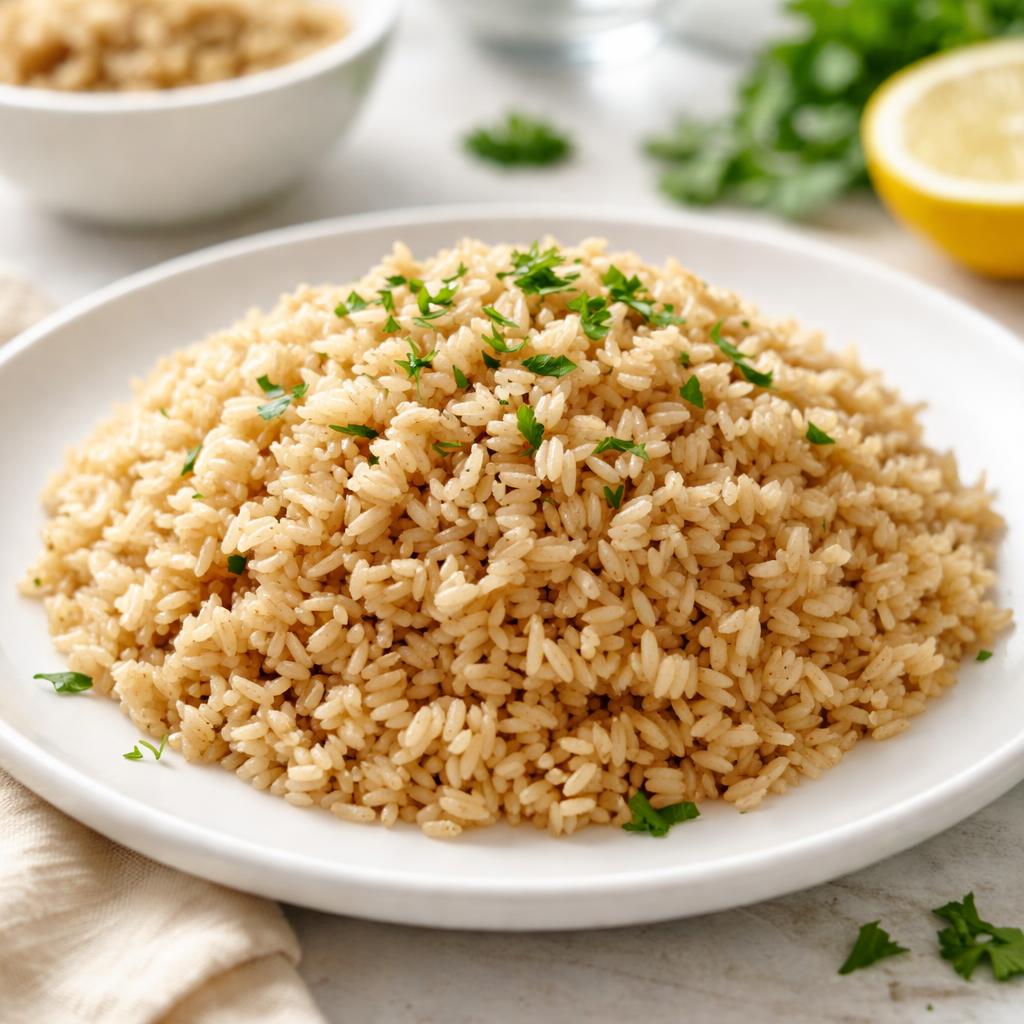
Brown Rice
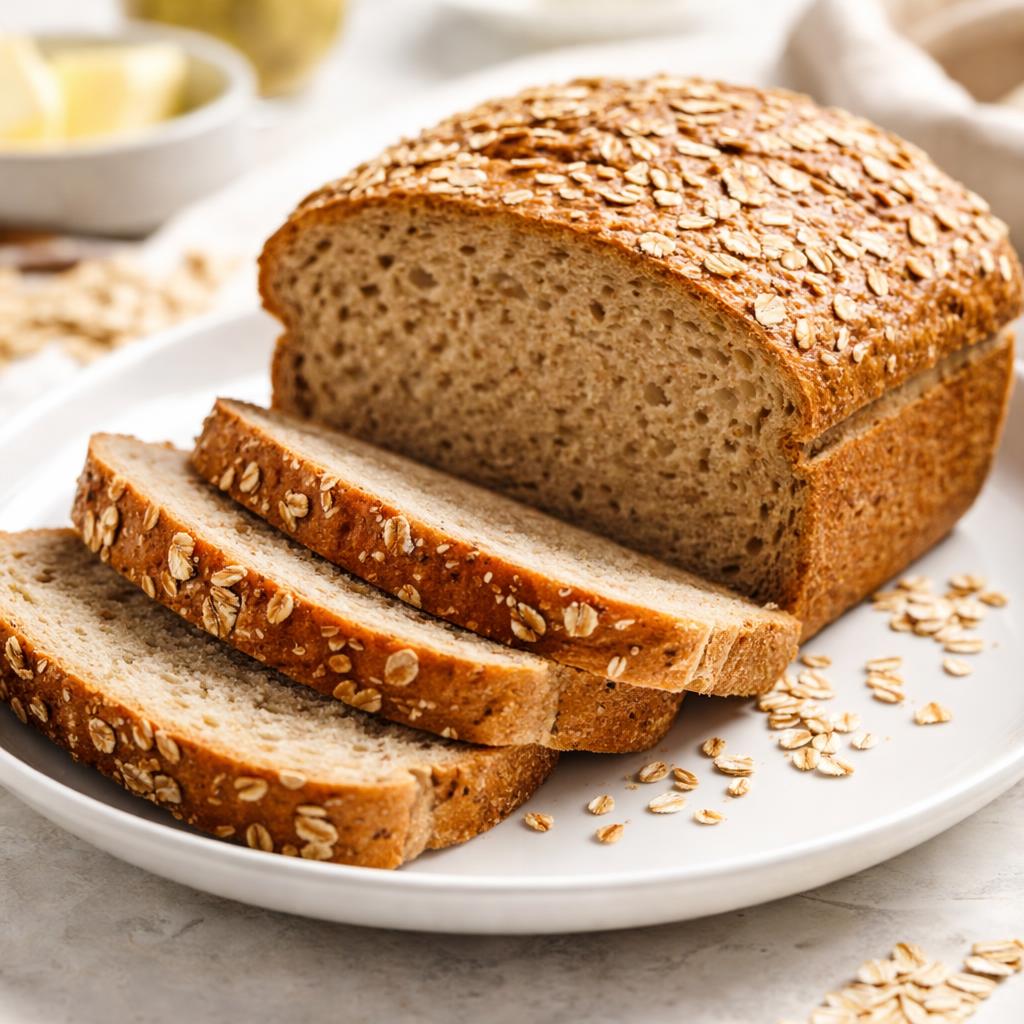
Wholewheat Bread
🎯 Quick Verdict
Wholewheat bread generally comes out ahead as it is higher in protein, fiber, and certain vitamins compared to brown rice. Brown rice is a suitable option for those preferring gluten-free or minimally processed foods, while wholewheat bread is beneficial for sustained energy and nutrient density.

Smart Nutrition Tracking with SnapCalorie

📊 Nutritional Comparison
Macronutrients
| Nutrient | Food 1 | Food 2 | Winner |
|---|---|---|---|
| Calories | 215 | 215 | − |
| Protein | 5g | 7g | ✓ |
| Carbs | 45g | 40g | ✓ |
| Fat | 1.8g | 1g | ✓ |
| Fiber | 1.8g | 4g | ✓ |
Vitamins & Minerals
| Nutrient | Food 1 | Food 2 | Winner |
|---|---|---|---|
| Vitamin B1 (Thiamine) | 0.2mg | 0.4mg | ✓ |
| Iron | 0.8mg | 2mg | ✓ |
| Magnesium | 84mg | 46mg | ✓ |
🏆 Category Winners
Protein
Wholewheat bread contains 40% more protein per serving.
Fiber
Wholewheat bread provides more than double the fiber of brown rice.
Calories
Both foods contain approximately 215 calories per serving.
Vitamins
Wholewheat bread has greater levels of iron and thiamine compared to brown rice.
🥗 Diet Compatibility
Keto
Food 1: Not Compatible
Food 2: Not Compatible
Both foods are high in carbohydrates.
Vegan
Food 1: Compatible
Food 2: Compatible
Both options are plant-based.
Gluten Free
Food 1: Compatible
Food 2: Not Compatible
Brown rice is naturally gluten-free, while wholewheat bread contains gluten.
Paleo
Food 1: Compatible
Food 2: Not Compatible
Brown rice fits paleo guidelines, while bread does not due to processing.
Low-Carb
Food 1: Not Compatible
Food 2: Not Compatible
Both foods are higher in carbohydrates than typical low-carb foods.
💪 Health Benefits Comparison
Food 1 Benefits
- Good source of magnesium for bone health
- Provides steady energy with complex carbs
- Naturally gluten-free for those with sensitivities
Food 2 Benefits
- High in protein for maintaining muscle mass
- Packed with fiber for digestive health
- Rich in iron for strong blood circulation
✅ The Bottom Line
Choose brown rice if you need a gluten-free, paleo-compatible option or are prioritizing magnesium intake. Opt for wholewheat bread for more protein, fiber, and better nutrient density, especially for sustained energy throughout the day.
Choose Food 1 for: Gluten-free diets, paleo diets, bone health
Choose Food 2 for: Higher protein needs, digestive health, energy and endurance


