Brown Rice VS Whole Wheat Wrap
A detailed nutritional comparison
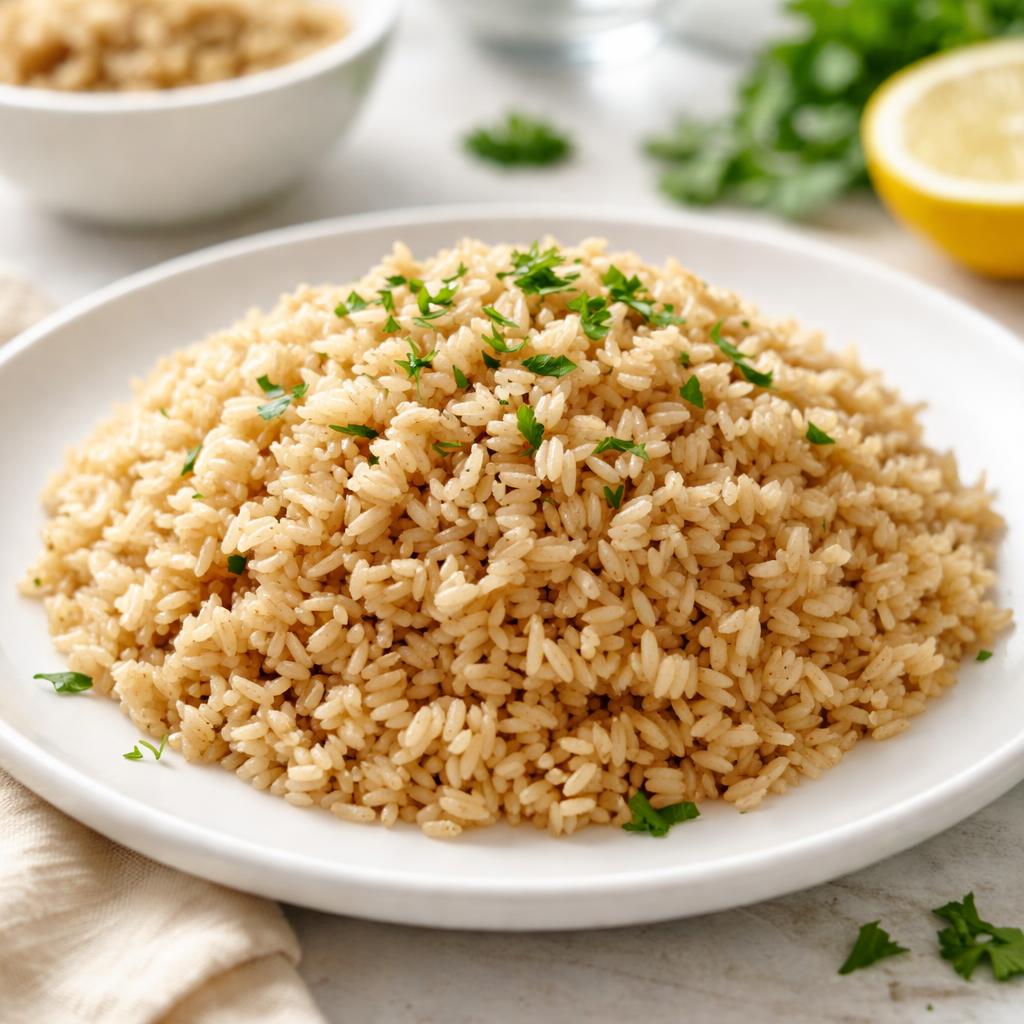
Brown Rice
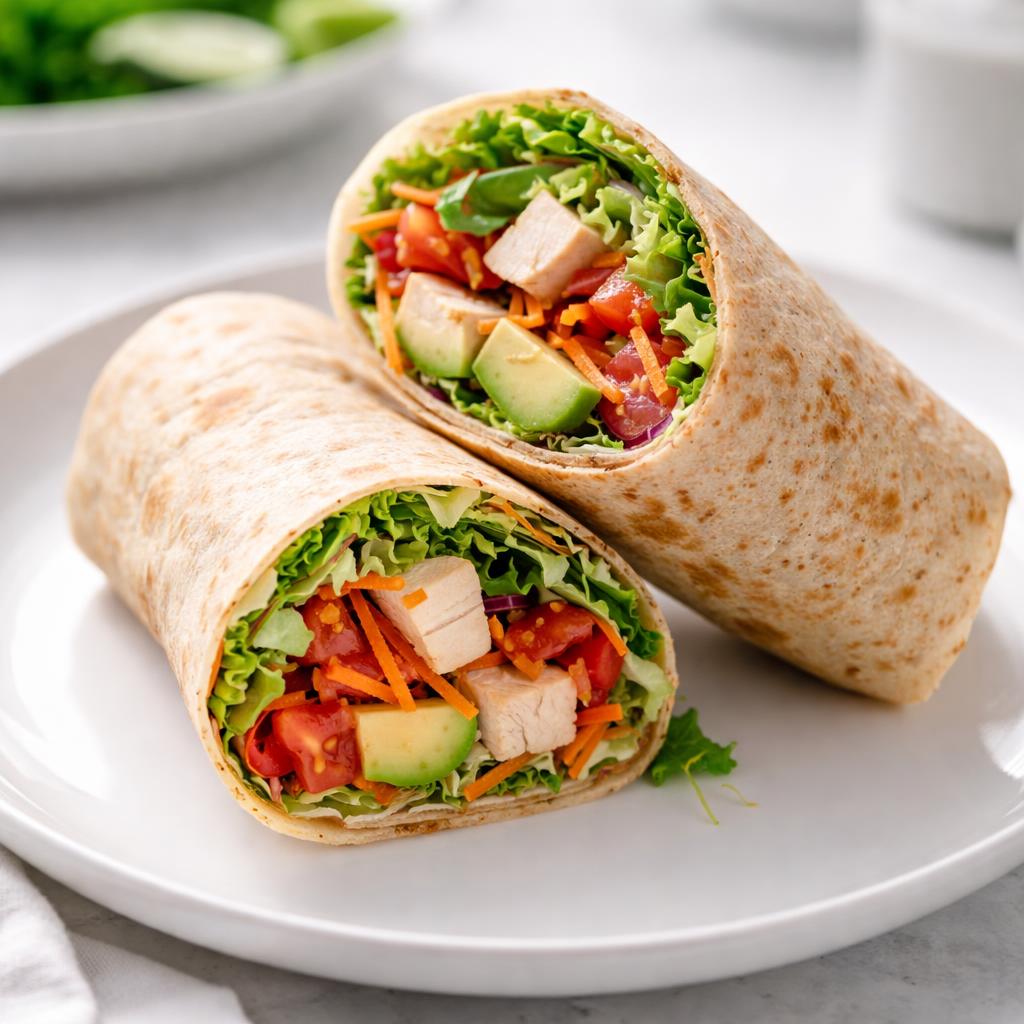
Whole Wheat Wrap
🎯 Quick Verdict
Whole wheat wrap edges out brown rice overall due to higher protein and fiber content, making it a better option for muscle support and digestion. Brown rice, with fewer calories, is ideal for those seeking a lower-calorie base. The choice depends on your dietary needs and meal planning goals.

Smart Nutrition Tracking with SnapCalorie

📊 Nutritional Comparison
Macronutrients
| Nutrient | Food 1 | Food 2 | Winner |
|---|---|---|---|
| Calories | 218 | 180 | ✓ |
| Protein | 5g | 8g | ✓ |
| Carbs | 45g | 30g | ✓ |
| Fat | 1.6g | 4g | ✓ |
| Fiber | 1.8g | 5g | ✓ |
Vitamins & Minerals
| Nutrient | Food 1 | Food 2 | Winner |
|---|---|---|---|
| Vitamin B6 | 0.2mg | 0.1mg | ✓ |
| Magnesium | 84mg | 22mg | ✓ |
| Iron | 0.7mg | 1.4mg | ✓ |
🏆 Category Winners
Protein
Food2 contains 60% more protein per serving, supporting muscle and cell repair.
Fiber
Food2 provides nearly three times as much fiber as food1, aiding digestive health.
Calories
Food2 has fewer calories, supporting overall calorie management in meals.
Vitamins
Food1 is richer in magnesium and vitamin B6, which support energy production and enzyme function.
🥗 Diet Compatibility
Keto
Food 1: Not Compatible
Food 2: Not Compatible
Both foods are higher in carbs and not suitable for keto diets.
Vegan
Food 1: Compatible
Food 2: Compatible
Both foods are plant-based and suitable for vegan diets.
Gluten Free
Food 1: Compatible
Food 2: Not Compatible
Brown rice is gluten-free, but whole wheat wrap contains gluten.
Paleo
Food 1: Compatible
Food 2: Not Compatible
Brown rice is minimally processed and fits paleo guidelines. Whole wheat wraps do not due to processing.
Low Carb
Food 1: Not Compatible
Food 2: Not Compatible
Both foods are relatively high in carbs and unsuitable for strict low-carb diets.
💪 Health Benefits Comparison
Food 1 Benefits
- Rich in magnesium for muscle and nerve health
- Provides steady-release carbohydrates for sustained energy
- Contains antioxidants that support cellular health
Food 2 Benefits
- High protein content supports muscle repair and satiety
- Excellent source of dietary fiber for digestion and gut health
- Contains iron to contribute to oxygen transport in the body
✅ The Bottom Line
Whole wheat wrap is the better choice for high protein and fiber content, beneficial for fitness enthusiasts and those focused on digestive health. Brown rice, on the other hand, serves as a low-fat, gluten-free base, suitable for paleo diets and calorie-controlled meals.
Choose Food 1 for: Gluten-free diets, meals requiring a low-calorie base, paleo diet plans
Choose Food 2 for: High-protein needs, digestion health, balanced meal wraps


