Brown Rice VS Shirataki Rice
A detailed nutritional comparison
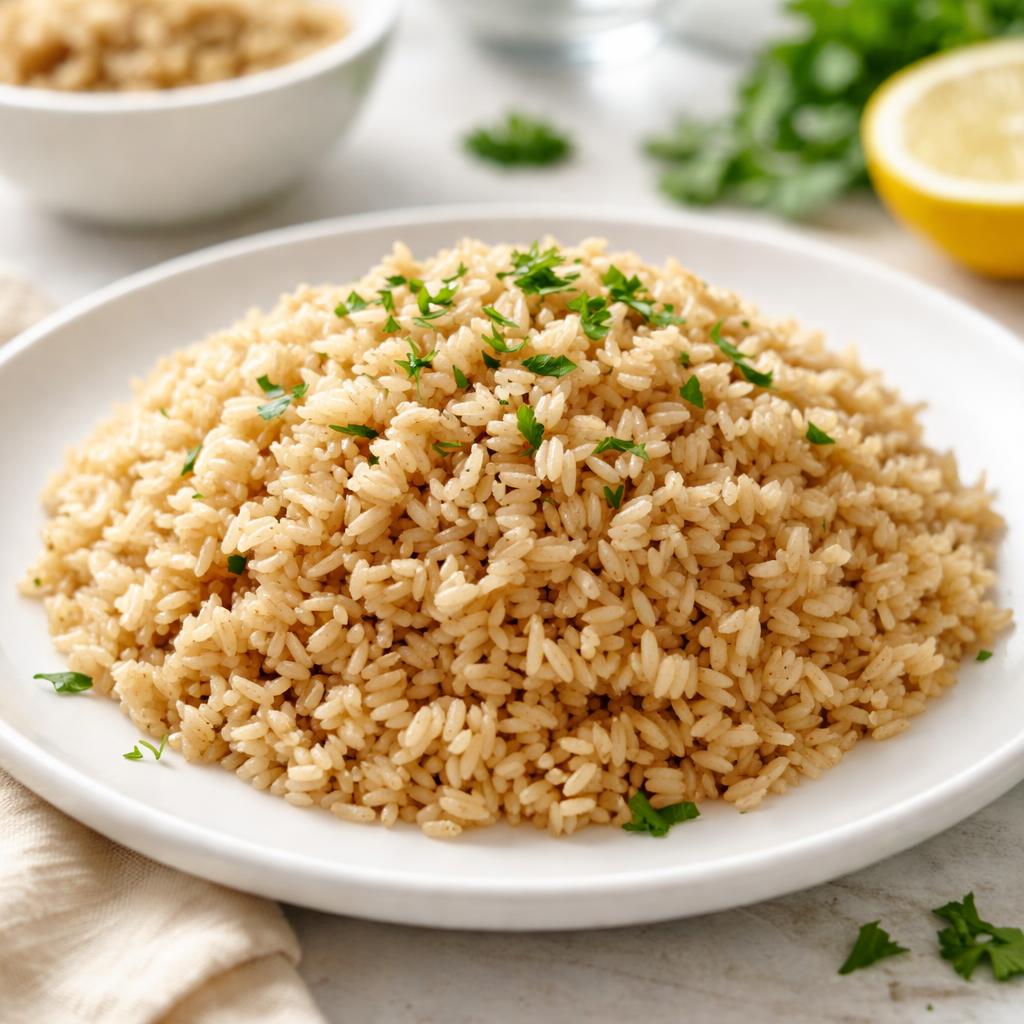
Brown Rice
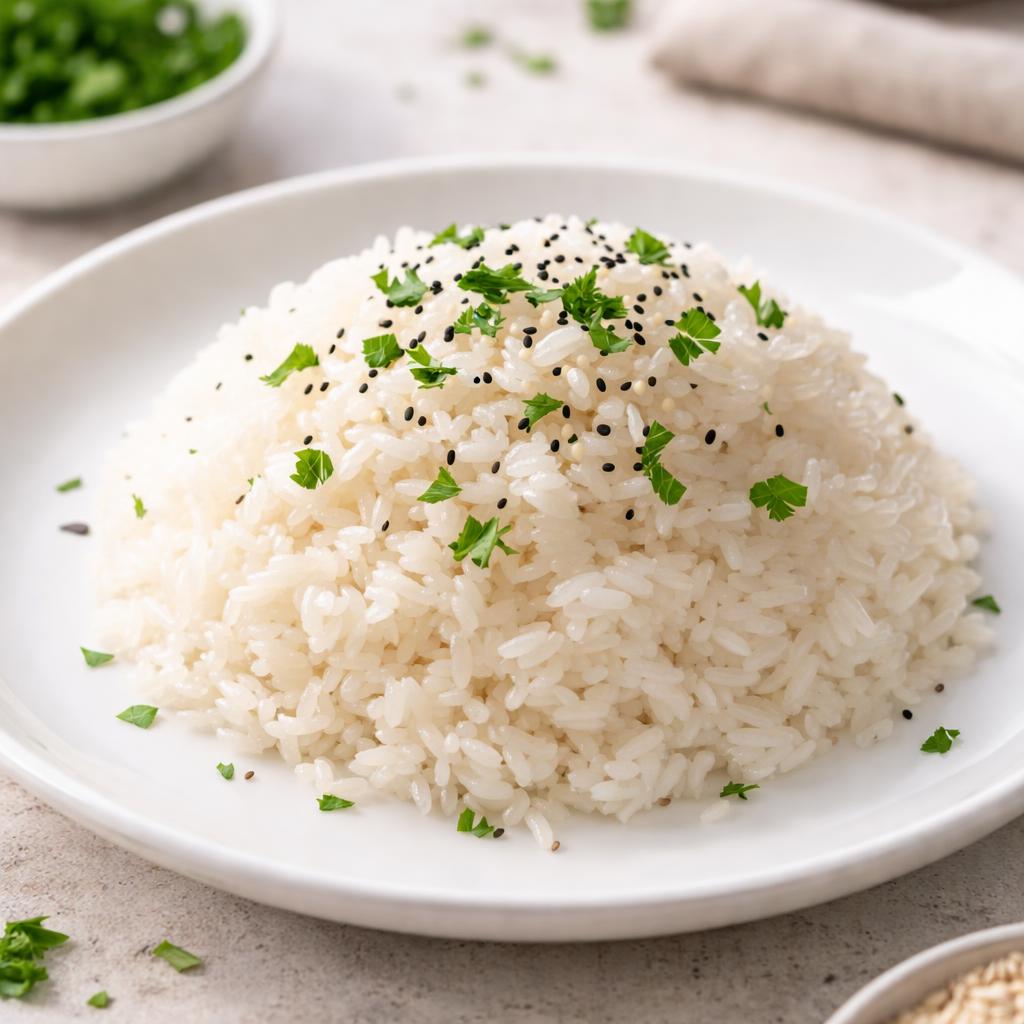
Shirataki Rice
🎯 Quick Verdict
Brown rice is a nutrient-dense whole grain ideal for providing sustained energy, while shirataki rice is a calorie-free, low-carb option suitable for weight loss and keto diets. Brown rice offers significantly more protein and fiber, whereas shirataki rice excels in minimal calories and carbs, making them suitable for different dietary needs.

Smart Nutrition Tracking with SnapCalorie

📊 Nutritional Comparison
Macronutrients
| Nutrient | Food 1 | Food 2 | Winner |
|---|---|---|---|
| Calories | 215 kcal (per cooked cup) | 10 kcal (per cup) | − |
| Protein | 5g | 0g | − |
| Carbs | 44g | 2g | − |
| Fat | 1g | 0g | − |
| Fiber | 3.5g | 2g | − |
Vitamins & Minerals
| Nutrient | Food 1 | Food 2 | Winner |
|---|---|---|---|
| Vitamin D | 0mcg | 0mcg | − |
| Calcium | 3mg | 10mg | − |
| Iron | 0.8mg | 0.1mg | − |
🏆 Category Winners
Protein
Brown rice has 5g of protein per serving, whereas shirataki rice contains none.
Fiber
Brown rice contains 75% more fiber (3.5g vs 2g).
Calories
Shirataki rice is nearly calorie-free, with only 10 kcal per cup compared to brown rice's 215 kcal.
Vitamins
Neither food is a significant source of vitamins.
🥗 Diet Compatibility
Keto
Food 1: Not Compatible
Food 2: Compatible
Shirataki rice is extremely low-carb (2g per cup), while brown rice contains 44g of carbs.
Vegan
Food 1: Compatible
Food 2: Compatible
Both foods are plant-based and vegan-friendly.
Gluten Free
Food 1: Compatible
Food 2: Compatible
Neither food contains gluten.
Paleo
Food 1: Compatible
Food 2: Compatible
Both foods align with paleo principles.
Low-Carb
Food 1: Not Compatible
Food 2: Compatible
Shirataki rice is an excellent low-carb alternative; brown rice contains too many carbs for low-carb diets.
💪 Health Benefits Comparison
Food 1 Benefits
- Rich in complex carbs for sustained energy
- Contains fiber to promote digestion and gut health
- Provides plant-based protein for muscle repair
- Offers essential minerals like magnesium and selenium
Food 2 Benefits
- Extremely low in calories, supporting weight loss
- Low-carb option ideal for keto and diabetic diets
- Contains glucomannan fiber for improving satiety
- Helps maintain stable blood sugar levels
✅ The Bottom Line
Brown rice is a nutritious whole grain suitable for balanced diets and those needing sustained energy, while shirataki rice is a carb-free alternative perfect for low-calorie, low-carb, or keto diets. Choose brown rice for its nutrient density and shirataki rice for weight loss or diet-specific needs.
Choose Food 1 for: Balanced diets, plant-based meals, and those needing sustained energy
Choose Food 2 for: Weight loss, keto diets, and low-carb lifestyles


