Brown Rice VS Rice With Tomato Sauce
A detailed nutritional comparison
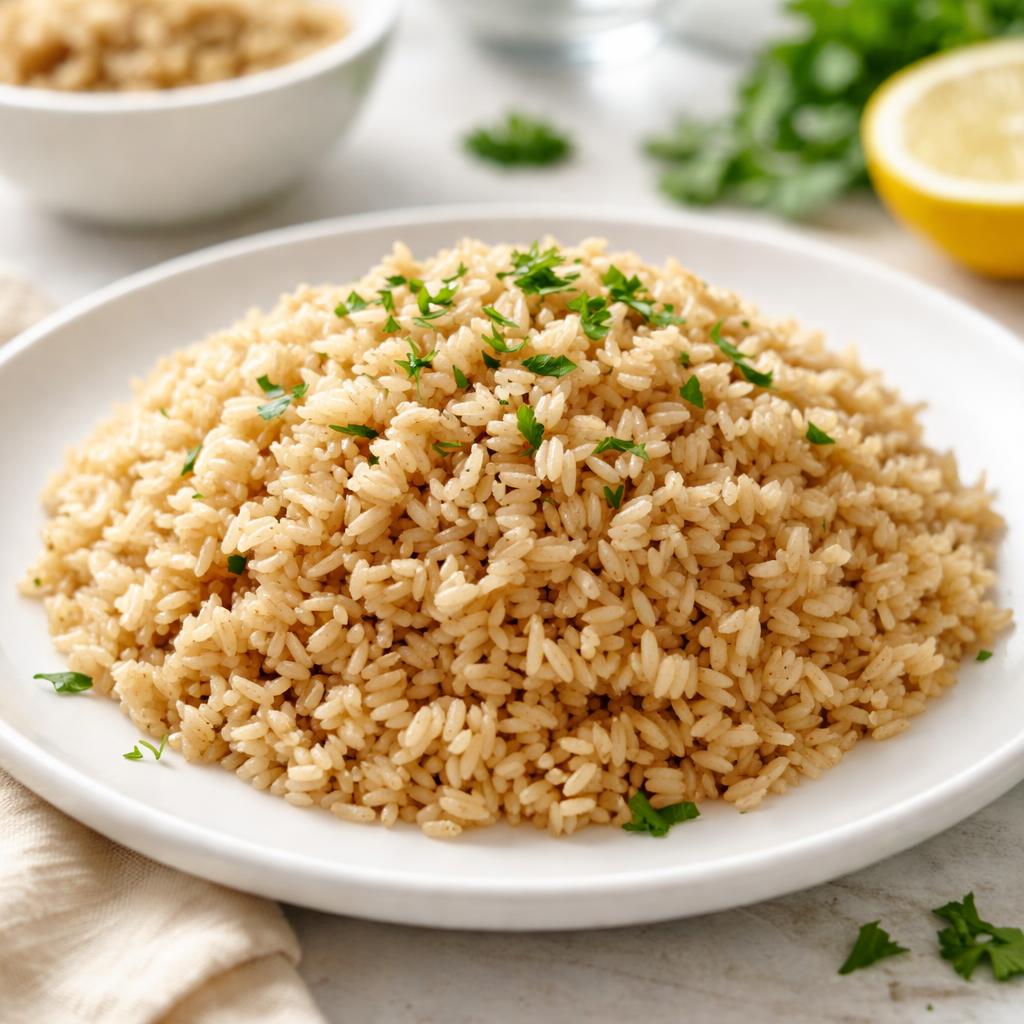
Brown Rice
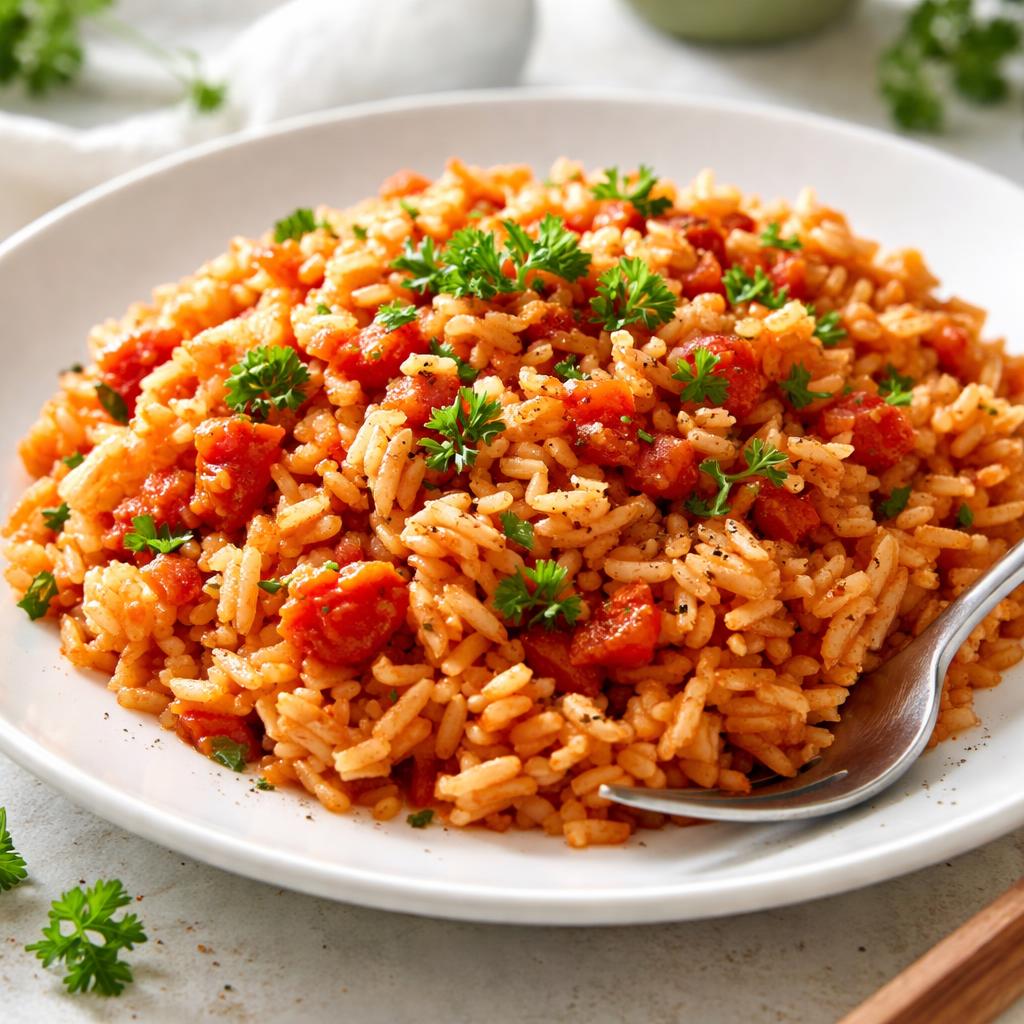
Rice With Tomato Sauce
🎯 Quick Verdict
Brown rice is nutritionally superior to rice with tomato sauce, offering higher protein, fiber, and fewer calories. Rice with tomato sauce, however, is flavorful and provides additional vitamins from the tomatoes, making it a better choice for those seeking taste enhancement and antioxidants.

Smart Nutrition Tracking with SnapCalorie

📊 Nutritional Comparison
Macronutrients
| Nutrient | Food 1 | Food 2 | Winner |
|---|---|---|---|
| Calories | 216 | 275 | ✓ |
| Protein | 5g | 3g | ✓ |
| Carbs | 45g | 52g | ✓ |
| Fat | 1.5g | 5g | ✓ |
| Fiber | 3.5g | 2g | ✓ |
Vitamins & Minerals
| Nutrient | Food 1 | Food 2 | Winner |
|---|---|---|---|
| Vitamin C | 0mg | 10mg | ✓ |
| Vitamin A | 0mcg | 450mcg | ✓ |
| Iron | 0.7mg | 1mg | ✓ |
| Magnesium | 84mg | 20mg | ✓ |
🏆 Category Winners
Protein
Brown rice contains 67% more protein per serving.
Fiber
Brown rice has 75% more fiber for digestive health.
Calories
Brown rice is lower in calories by 21%.
Vitamins
Rice with tomato sauce provides more Vitamin C and Vitamin A due to the tomato content.
🥗 Diet Compatibility
Keto
Food 1: Not Compatible
Food 2: Not Compatible
Both foods are high in carbohydrates.
Vegan
Food 1: Compatible
Food 2: Compatible
Both foods are plant-based ingredients.
Gluten Free
Food 1: Compatible
Food 2: Compatible
Neither food contains gluten.
Paleo
Food 1: Compatible
Food 2: Not Compatible
Brown rice is minimally processed, while tomato sauce often includes additives or non-paleo ingredients.
Low-Carb
Food 1: Not Compatible
Food 2: Not Compatible
Both foods have over 40g of carbohydrates per serving.
💪 Health Benefits Comparison
Food 1 Benefits
- Rich in fiber for improved digestion and gut health
- Good source of magnesium to support bone health and energy production
- Contains antioxidants like lignans and phytic acids
Food 2 Benefits
- High in Vitamin C for immune support and skin health
- Rich in Vitamin A for eye and vision health
- Provides lycopene, a powerful antioxidant found in tomatoes
✅ The Bottom Line
Brown rice is better for those seeking higher nutritional density, fewer calories, and a more versatile, unflavored ingredient for meals. Rice with tomato sauce is ideal if you want more flavor, antioxidants, and vitamins like A and C, especially as a convenient side dish option.
Choose Food 1 for: Weight management, high-fiber diets, adding to balanced meals
Choose Food 2 for: Flavorful recipes, antioxidant-rich diets, and immune-supporting meals


