Brown Rice VS Rice And Peas
A detailed nutritional comparison
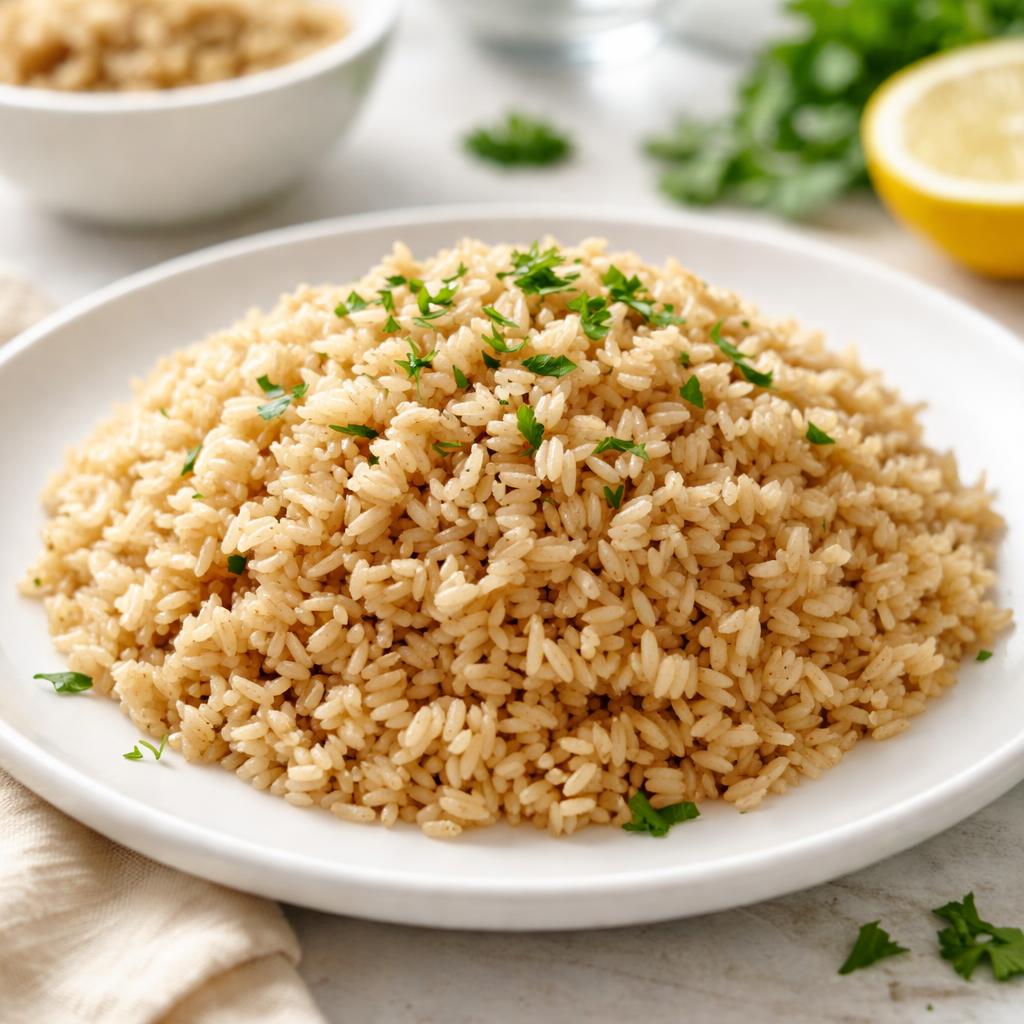
Brown Rice
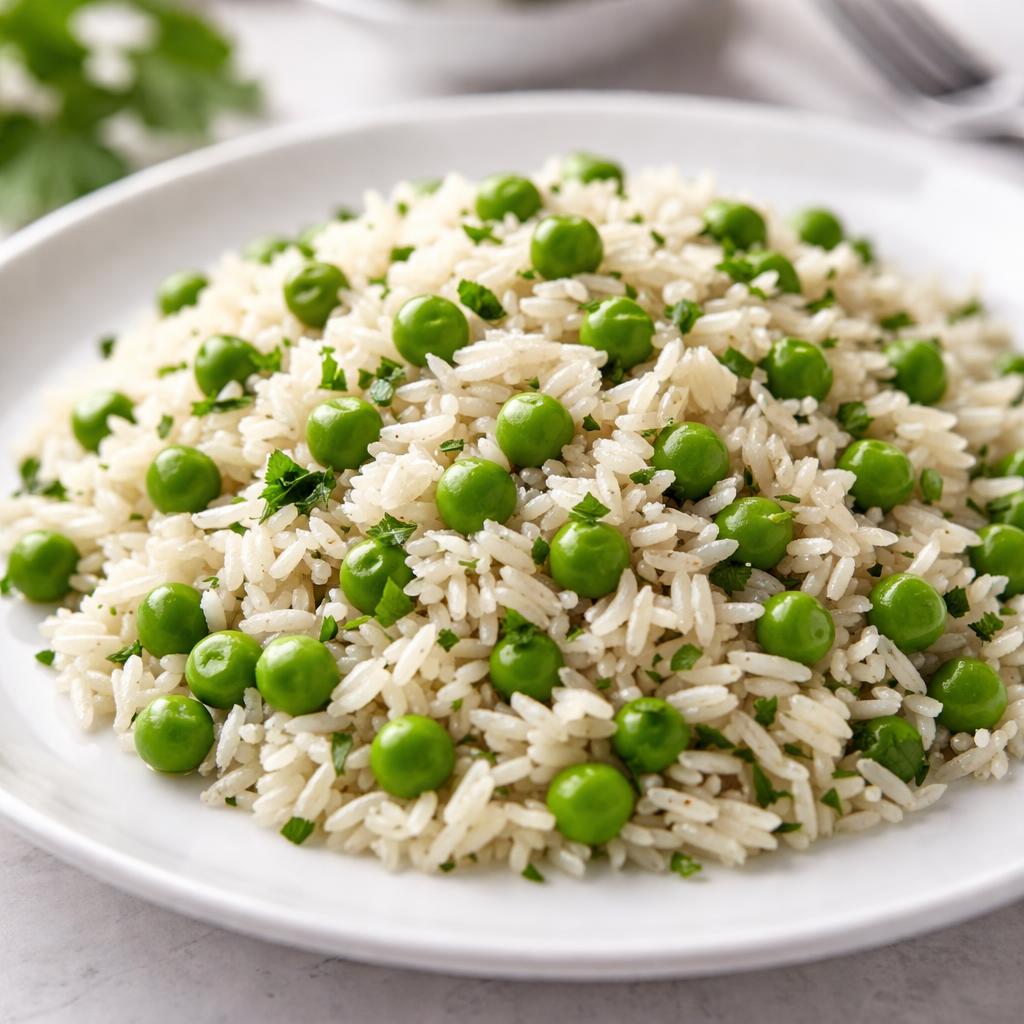
Rice And Peas
🎯 Quick Verdict
Brown rice is lower in calories and offers a clean carbohydrate source ideal for controlled diets, while rice and peas are higher in protein and fiber, making them nutritionally more balanced for muscle growth and digestion support. Both are gluten-free and vegan-friendly, but rice and peas deliver more vitamins and minerals due to the additional legumes. Choose brown rice for simpler carb needs and rice and peas for a nutrient-packed option.

Smart Nutrition Tracking with SnapCalorie

📊 Nutritional Comparison
Macronutrients
| Nutrient | Food 1 | Food 2 | Winner |
|---|---|---|---|
| Calories | 215 | 250 | ✓ |
| Protein | 5g | 10g | ✓ |
| Carbs | 45g | 40g | ✓ |
| Fat | 1g | 5g | ✓ |
| Fiber | 1.8g | 5g | ✓ |
Vitamins & Minerals
| Nutrient | Food 1 | Food 2 | Winner |
|---|---|---|---|
| Vitamin C | 0mg | 20mg | ✓ |
| Iron | 1mg | 2.5mg | ✓ |
| Potassium | 84mg | 200mg | ✓ |
🏆 Category Winners
Protein
Rice and peas contain twice as much protein due to the addition of legumes.
Fiber
Rice and peas offer significantly more fiber for digestion support.
Calories
Brown rice has fewer calories, making it a better option for weight management.
Vitamins
Rice and peas are higher in vitamin C, iron, and potassium, enhancing their nutrient density.
🥗 Diet Compatibility
Keto
Food 1: Not Compatible
Food 2: Not Compatible
Both foods are high in carbohydrates, unsuitable for keto diets.
Vegan
Food 1: Compatible
Food 2: Compatible
Both foods are entirely plant-based.
Gluten Free
Food 1: Compatible
Food 2: Compatible
Neither food contains gluten.
Paleo
Food 1: Compatible
Food 2: Compatible
Both are whole food-based and fit paleo diets.
Low-Carb
Food 1: Not Compatible
Food 2: Not Compatible
Both options exceed typical low-carb limits.
💪 Health Benefits Comparison
Food 1 Benefits
- Low-calorie source of energy
- Supports steady blood sugar levels
- Provides essential minerals like magnesium
Food 2 Benefits
- Rich in protein for muscle repair and growth
- High potassium content supports heart health
- Contains fiber for improved digestion and gut health
- Offers vitamin C for immune system support
✅ The Bottom Line
Choose brown rice for weight management and simpler, lower-calorie carb needs. Opt for rice and peas when seeking a more balanced meal with higher protein, fiber, and nutrient diversity. The legumes in rice and peas make it ideal for muscle support and heart health.
Choose Food 1 for: Weight management, simpler meals, controlled carb intake
Choose Food 2 for: Balanced nutrition, digestion improvement, muscle-building diets


