Brown Rice VS Protein Bread
A detailed nutritional comparison
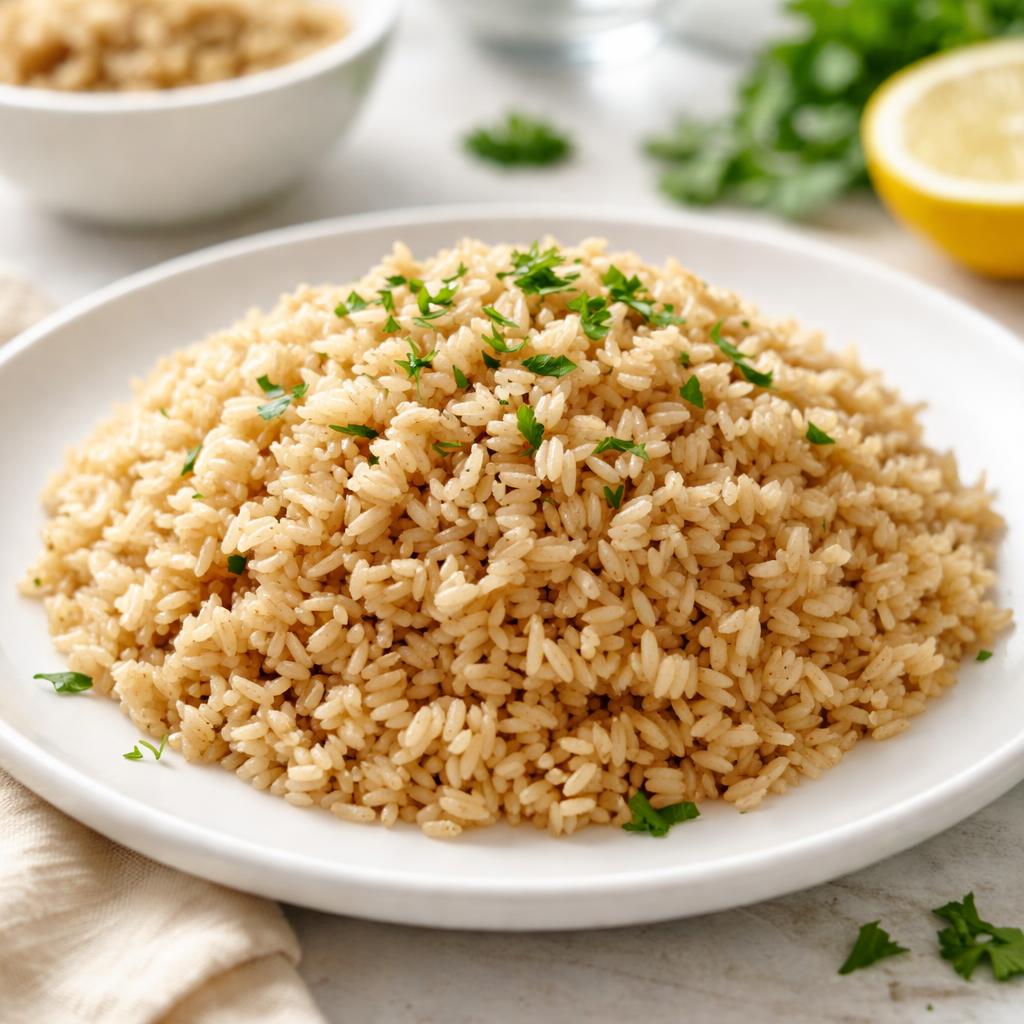
Brown Rice
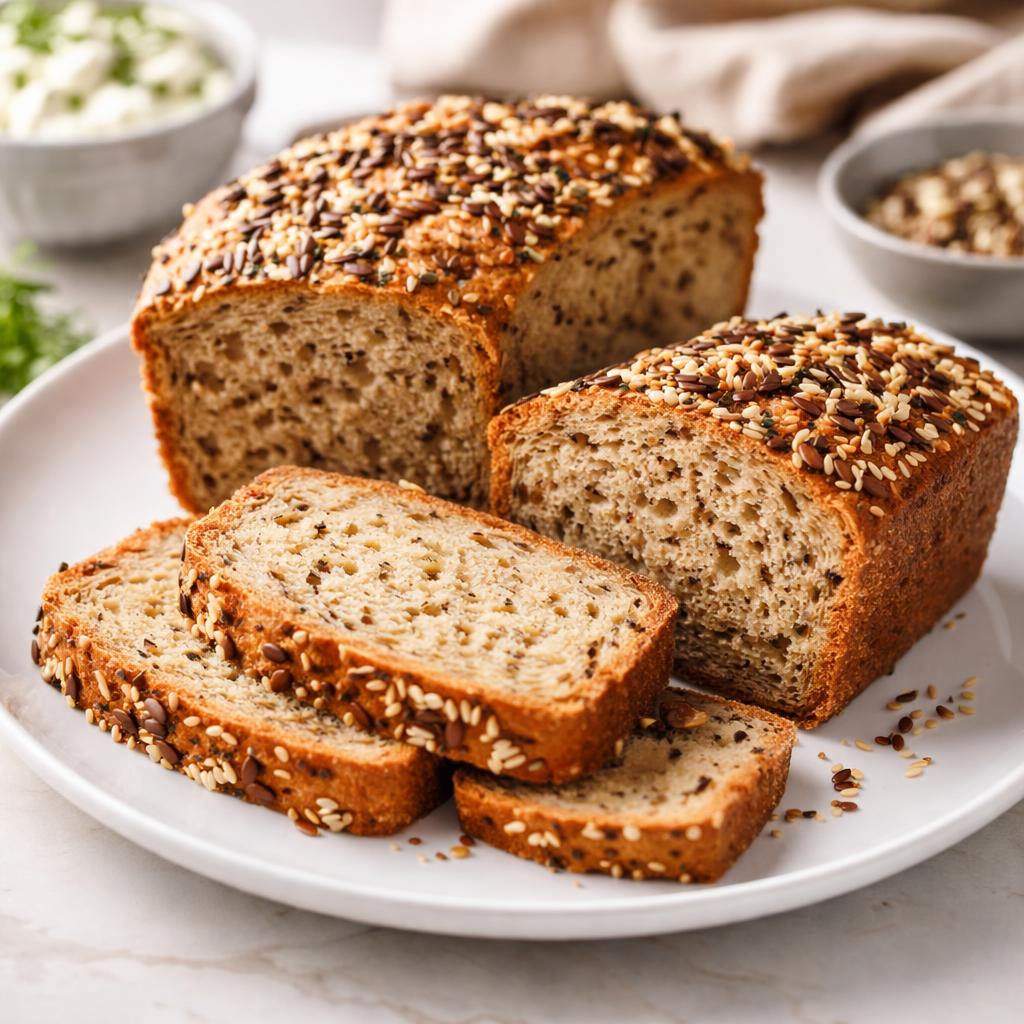
Protein Bread
🎯 Quick Verdict
Protein bread significantly outperforms brown rice in protein and fiber content, making it better for muscle maintenance and satiety. Brown rice is lower in calories and provides more carbohydrates, making it suitable for sustained energy. Both foods have unique qualities suitable for different dietary needs.

Smart Nutrition Tracking with SnapCalorie

📊 Nutritional Comparison
Macronutrients
| Nutrient | Food 1 | Food 2 | Winner |
|---|---|---|---|
| Calories | 216 (per 1 cup cooked) | 100 (per 1 slice) | ✓ |
| Protein | 5g | 15g | ✓ |
| Carbs | 45g | 10g | ✓ |
| Fat | 1.8g | 3g | ✓ |
| Fiber | 1.8g | 4g | ✓ |
Vitamins & Minerals
| Nutrient | Food 1 | Food 2 | Winner |
|---|---|---|---|
| Vitamin D | 0mcg | 2mcg | ✓ |
| Calcium | 10mg | 100mg | ✓ |
| Iron | 0.8mg | 2mg | ✓ |
🏆 Category Winners
Protein
Protein bread contains 3x more protein than brown rice.
Fiber
Protein bread provides over 2x more fiber per serving.
Calories
Protein bread is lower in calories per serving.
Vitamins
Protein bread has added vitamins and minerals like vitamin D and calcium.
🥗 Diet Compatibility
Keto
Food 1: Not Compatible
Food 2: Compatible
Brown rice is high-carb, while protein bread is low-carb.
Vegan
Food 1: Compatible
Food 2: Depends
Brown rice is always plant-based, but protein bread may contain animal-derived protein depending on the brand.
Gluten Free
Food 1: Compatible
Food 2: Not Compatible
Brown rice is naturally gluten-free, while most protein bread contains wheat.
Paleo
Food 1: Compatible
Food 2: Not Compatible
Brown rice is minimally processed while protein bread often includes processed ingredients.
Low-Carb
Food 1: Not Compatible
Food 2: Compatible
Protein bread is specifically formulated to be low in carbohydrates.
💪 Health Benefits Comparison
Food 1 Benefits
- Rich in complex carbohydrates for sustained energy
- Provides essential minerals like magnesium and selenium
- Low fat content, suitable for heart health
- Naturally gluten-free for sensitive diets
Food 2 Benefits
- High protein content supports muscle growth and repair
- Excellent source of fiber for digestion and satiety
- Fortified with vitamins and minerals like vitamin D and calcium
- Low-carb option suitable for weight loss or keto diets
✅ The Bottom Line
Choose brown rice for sustained energy and a traditional carb source, especially for athletic performance or gluten-free diets. Choose protein bread for high-protein, low-carb needs, or building muscle while staying full longer.
Choose Food 1 for: Sustained energy, gluten-free diets, simple clean eating
Choose Food 2 for: Muscle growth, weight loss, low-carb or keto diets


