Brown Rice VS Plain Rice
A detailed nutritional comparison
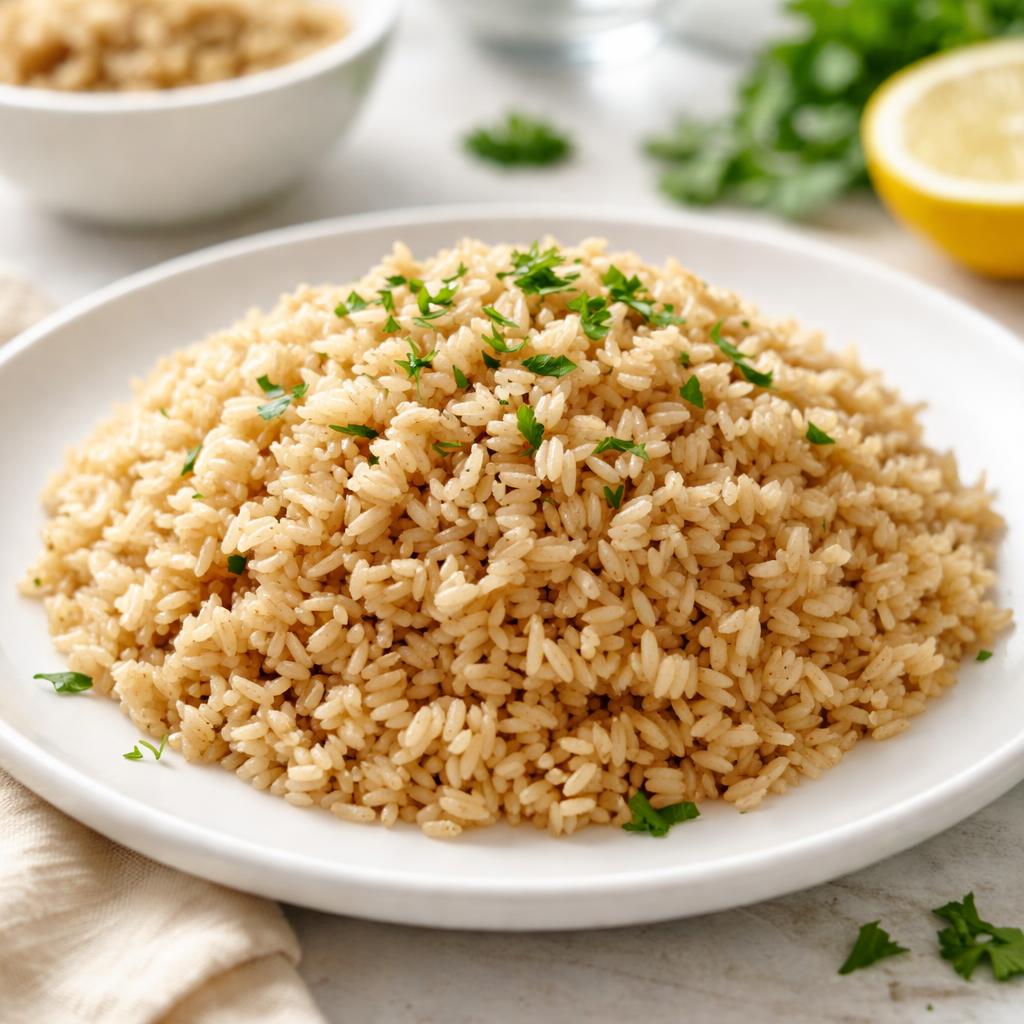
Brown Rice
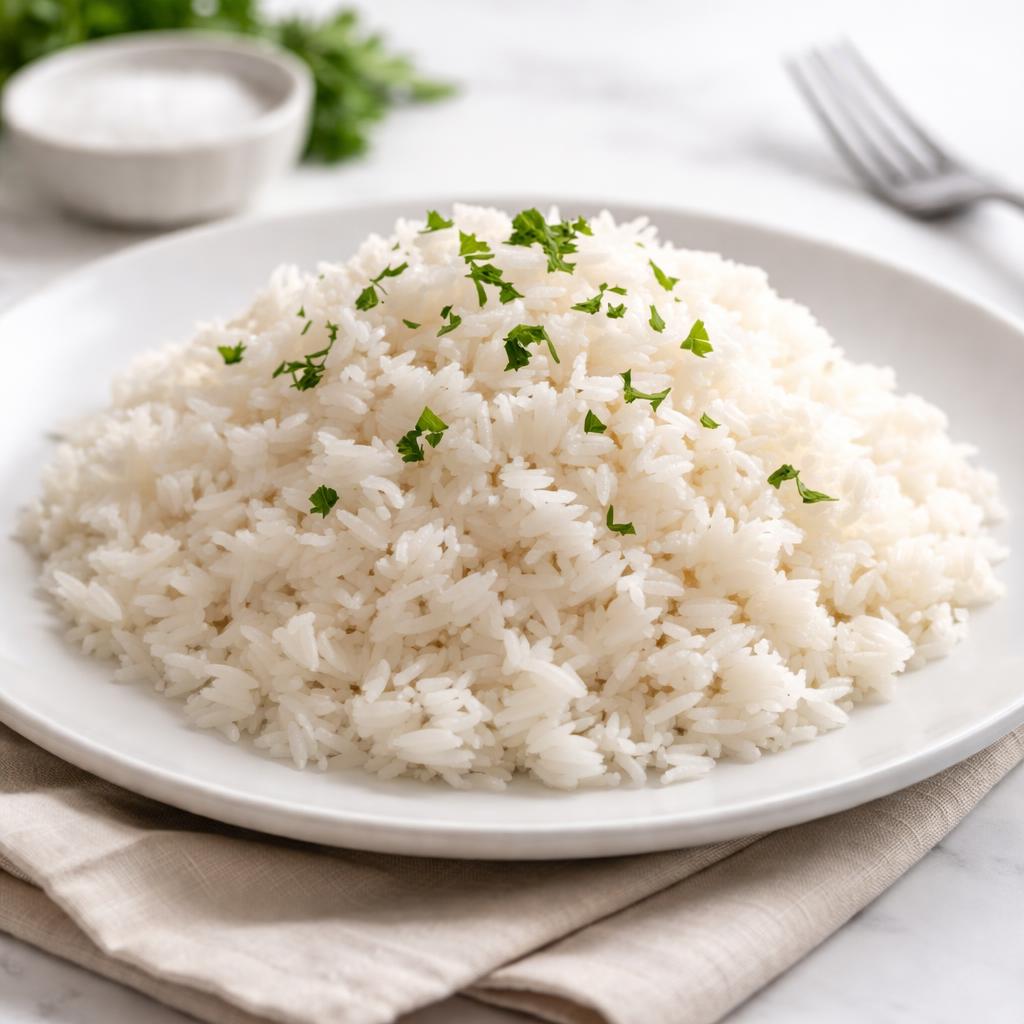
Plain Rice
🎯 Quick Verdict
Brown rice and plain (white) rice differ significantly in nutrition. Brown rice is higher in fiber and protein, making it better for digestion and satiety, while white rice is lower in calories but lacks some key nutrients. Brown rice is ideal for health-focused diets, whereas white rice serves as a faster-digesting option for quick energy needs.

Smart Nutrition Tracking with SnapCalorie

📊 Nutritional Comparison
Macronutrients
| Nutrient | Food 1 | Food 2 | Winner |
|---|---|---|---|
| Calories | 216 per cup | 242 per cup | ✓ |
| Protein | 5g per cup | 4g per cup | ✓ |
| Carbs | 45g per cup | 53g per cup | ✓ |
| Fat | 1.8g per cup | 0.4g per cup | ✓ |
| Fiber | 3.5g per cup | 0.6g per cup | ✓ |
Vitamins & Minerals
| Nutrient | Food 1 | Food 2 | Winner |
|---|---|---|---|
| Vitamin B1 (Thiamine) | 0.2mg | 0.1mg | ✓ |
| Magnesium | 86mg | 24mg | ✓ |
| Iron | 0.8mg | 0.2mg | ✓ |
🏆 Category Winners
Protein
Brown rice contains 25% more protein compared to white rice.
Fiber
Brown rice has over 5 times the fiber of white rice, aiding digestion.
Calories
Brown rice has slightly fewer calories per cup.
Vitamins
Brown rice provides significantly more micronutrients like magnesium and iron.
🥗 Diet Compatibility
Keto
Food 1: Not Compatible
Food 2: Not Compatible
Both are too high in carbs for keto diets.
Vegan
Food 1: Compatible
Food 2: Compatible
Both are plant-based foods.
Gluten Free
Food 1: Compatible
Food 2: Compatible
Neither contains gluten.
Paleo
Food 1: Compatible
Food 2: Compatible
Both are unprocessed grains approved for paleo diets.
Low-Carb
Food 1: Not Compatible
Food 2: Not Compatible
Both are high-carb foods (over 45g per serving).
💪 Health Benefits Comparison
Food 1 Benefits
- Rich in fiber to support digestive health
- Contains magnesium which aids in bone health and metabolic functions
- Higher protein content for muscle maintenance
- Sustains energy throughout the day due to slower digestion
Food 2 Benefits
- Easily digestible for quick energy needs
- Low fiber content makes it suitable for sensitive stomachs
- Good source of fast-releasing carbohydrates for athletes
- Provides some B vitamins for energy metabolism
✅ The Bottom Line
Brown rice is the clear nutritional winner for general health, digestion, and sustained energy, while white rice serves as a convenient, quick-digesting option for those needing fast fuel. Choose brown rice for its nutritional density, and opt for white rice when faster digestion is the priority, such as for pre-workout meals.
Choose Food 1 for: Weight management, digestive health, nutrient-dense diets
Choose Food 2 for: Athletic performance, quick energy, low-fiber diets


