Brown Rice VS Mixed Rice
A detailed nutritional comparison
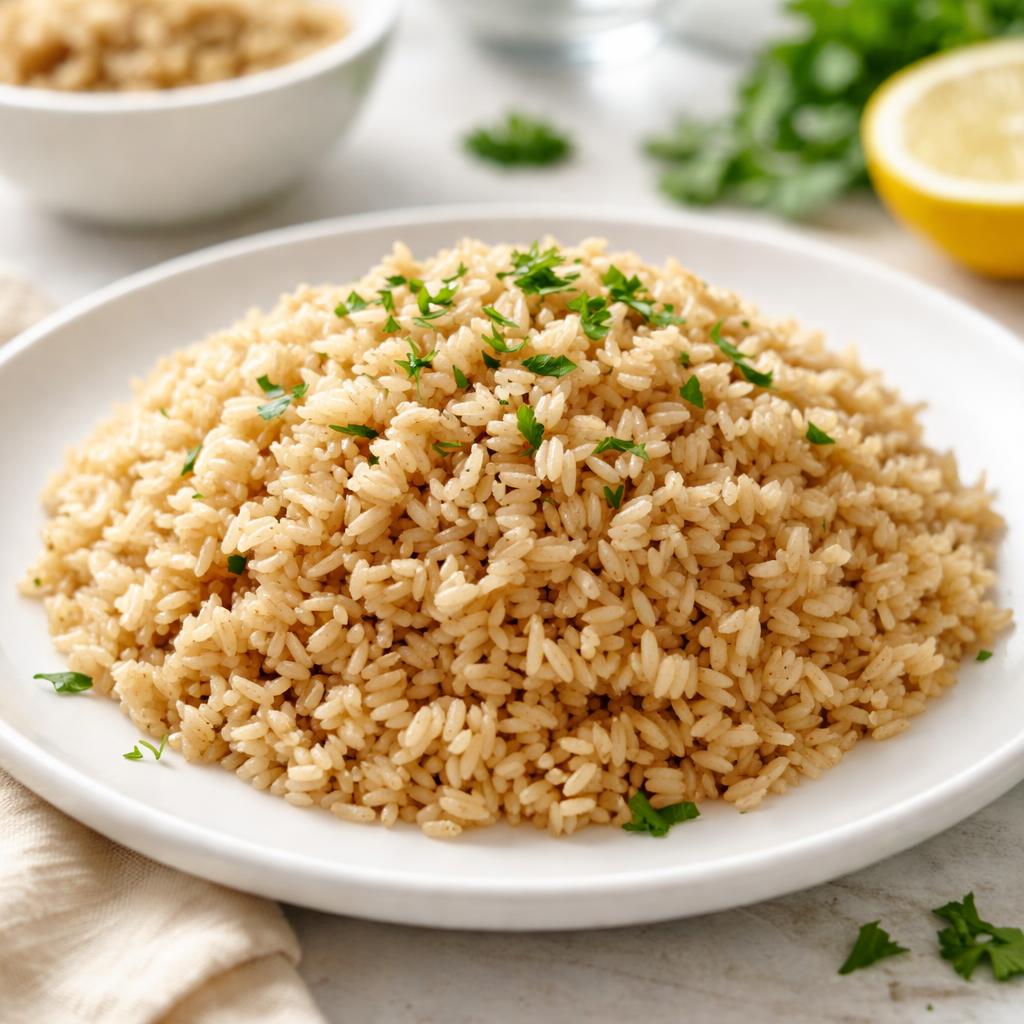
Brown Rice
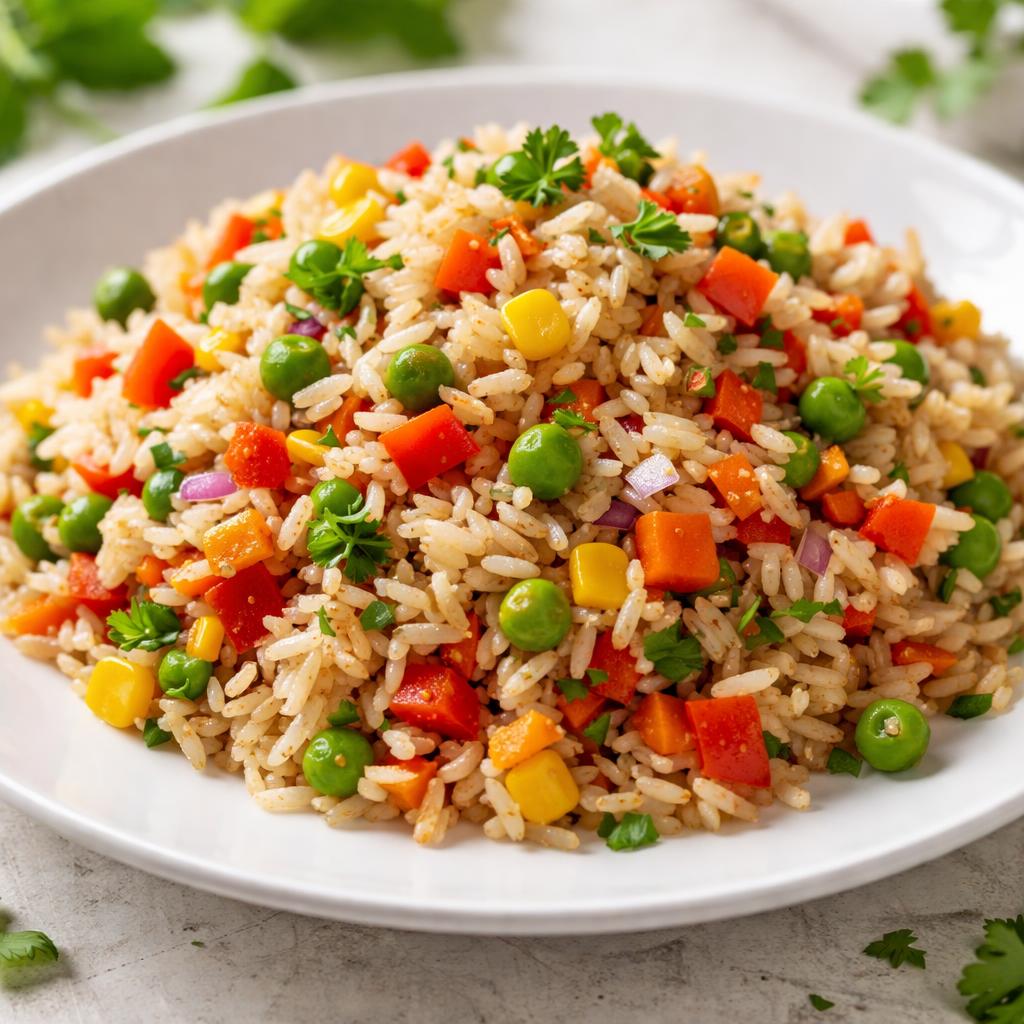
Mixed Rice
🎯 Quick Verdict
Brown rice is slightly lower in calories and richer in fiber compared to mixed rice, making it a better option for digestive health and weight management. Mixed rice offers more variety in nutrients depending on the grains used, making it a more diverse choice for nutrient density. Brown rice excels in simple recipes where fiber and calorie control matter, while mixed rice is suitable for richer flavor profiles and nutritional diversity.

Smart Nutrition Tracking with SnapCalorie

📊 Nutritional Comparison
Macronutrients
| Nutrient | Food 1 | Food 2 | Winner |
|---|---|---|---|
| Calories | 216 | 250 | ✓ |
| Protein | 5g | 5g | − |
| Carbs | 45g | 53g | ✓ |
| Fat | 1.8g | 3g | ✓ |
| Fiber | 3.5g | 2g | ✓ |
Vitamins & Minerals
| Nutrient | Food 1 | Food 2 | Winner |
|---|---|---|---|
| Vitamin B6 | 0.3mg | 0.2mg | ✓ |
| Iron | 0.9mg | 1mg | ✓ |
| Magnesium | 83mg | 70mg | ✓ |
🏆 Category Winners
Protein
Both foods provide 5 grams of protein per serving.
Fiber
Brown rice provides 75% more fiber than mixed rice, aiding digestion.
Calories
Brown rice contains 34 fewer calories per serving, making it better for calorie-conscious diets.
Vitamins
Brown rice is richer in key nutrients like magnesium and vitamin B6 overall.
🥗 Diet Compatibility
Keto
Food 1: Not Compatible
Food 2: Not Compatible
Both foods are high in carbohydrates.
Vegan
Food 1: Compatible
Food 2: Compatible
Both foods are plant-based and suitable for vegan diets.
Gluten Free
Food 1: Compatible
Food 2: Compatible
Neither food contains gluten.
Paleo
Food 1: Compatible
Food 2: Compatible
Both foods are minimally processed and fit within a paleo framework.
Low-Carb
Food 1: Not Compatible
Food 2: Not Compatible
Both foods are high in carbohydrates, exceeding typical low-carb limits.
💪 Health Benefits Comparison
Food 1 Benefits
- Supports digestive health with high fiber content
- Provides magnesium to aid muscle function and energy metabolism
- Low-fat and calorie-conscious for weight management
Food 2 Benefits
- Offers a diverse mix of nutrients depending on grain variety
- Good source of iron for oxygen transport in the blood
- Contains healthy fats, which are essential for heart health
✅ The Bottom Line
Brown rice is a better option for weight management, fiber-rich diets, and individuals seeking a predictable nutrient profile. Mixed rice is ideal for those looking for varied nutrients and flavor, especially in dishes requiring more richness and complexity.
Choose Food 1 for: Weight management, digestive health, simpler recipes
Choose Food 2 for: Flavor diversity, nutrient density, complete meals


