Brown Rice VS Jasmin Rice
A detailed nutritional comparison
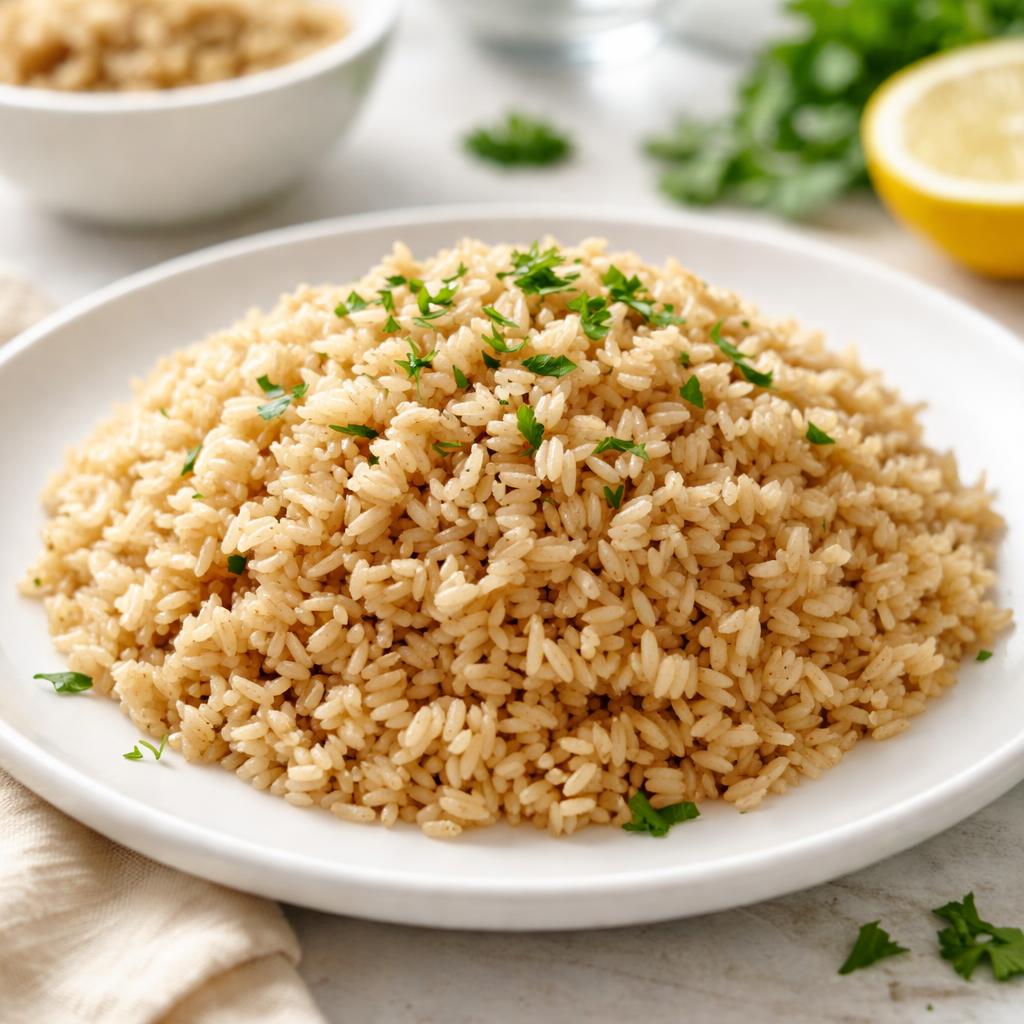
Brown Rice
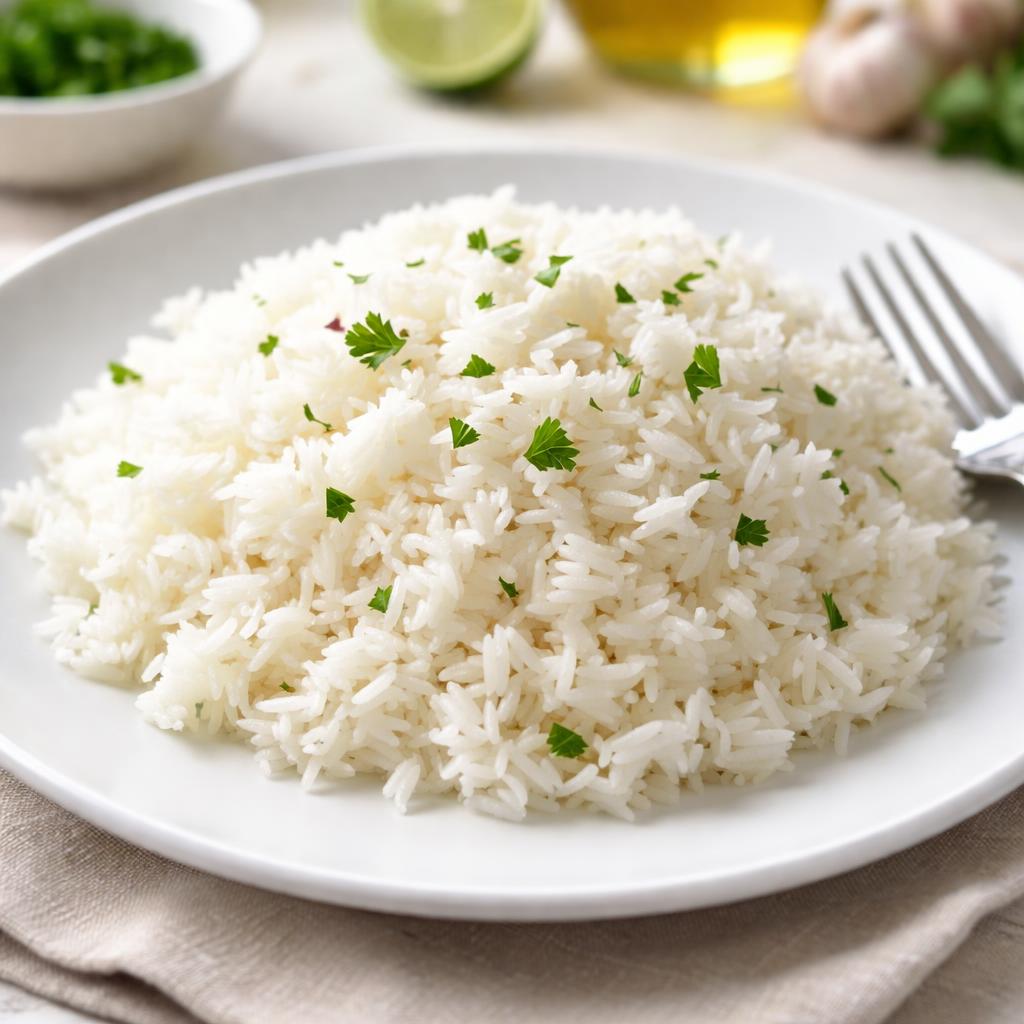
Jasmin Rice
🎯 Quick Verdict
Brown rice (food1) is nutritionally denser, offering higher amounts of protein, fiber, and vitamins, making it ideal for supporting digestion and satiety. Jasmine rice (food2) is milder in flavor and lower in fiber, serving as a good energy source for quick digestion and light meals like stir-fries or sides. Though both are gluten-free and vegan, brown rice aligns more with nutrient-focused diets, while jasmine rice suits low-residue diets well.

Smart Nutrition Tracking with SnapCalorie

📊 Nutritional Comparison
Macronutrients
| Nutrient | Food 1 | Food 2 | Winner |
|---|---|---|---|
| Calories | 215 | 210 | − |
| Protein | 5g | 4g | ✓ |
| Carbs | 45g | 45g | − |
| Fat | 1.7g | 0.4g | ✓ |
| Fiber | 3.5g | 0.5g | ✓ |
Vitamins & Minerals
| Nutrient | Food 1 | Food 2 | Winner |
|---|---|---|---|
| Vitamin B6 | 0.3mg | 0.1mg | ✓ |
| Magnesium | 84mg | 11mg | ✓ |
| Iron | 1.1mg | 0.2mg | ✓ |
🏆 Category Winners
Protein
Brown rice offers 25% more protein per serving.
Fiber
Brown rice provides 6x more dietary fiber, supporting digestion.
Calories
Both options are similar calorically, suitable for energy-focused meals.
Vitamins
Brown rice contains higher magnesium, iron, and Vitamin B6 levels.
🥗 Diet Compatibility
Keto
Food 1: Not Compatible
Food 2: Not Compatible
Both are high in carbs, not suitable for keto diets.
Vegan
Food 1: Compatible
Food 2: Compatible
Both are plant-based and vegan-friendly.
Gluten Free
Food 1: Compatible
Food 2: Compatible
Neither contains gluten, making them gluten-free options.
Paleo
Food 1: Compatible
Food 2: Compatible
Both are natural, minimally processed grains fitting Paleo diets.
Low-Carb
Food 1: Not Compatible
Food 2: Not Compatible
Both have significant carbohydrate content and are not suitable for low-carb diets.
💪 Health Benefits Comparison
Food 1 Benefits
- Rich in fiber for improved digestion and gut health
- Higher magnesium content supports heart and muscle health
- Good protein source helps in muscle maintenance
- Contains antioxidants that may reduce inflammation
Food 2 Benefits
- Quick to digest, making it ideal for sensitive stomachs
- Provides fast-releasing energy for active lifestyles
- Light and versatile grain for easy meal preparation
- Low fiber content makes it suitable for low-residue diets
✅ The Bottom Line
Brown rice is preferable for nutrient density, digestion, and muscle maintenance, while jasmine rice shines as an easily digestible energy source for light meals. Choose brown rice for fiber-rich, nutrient-packed diets and jasmine rice for simple, quick-energy meals.
Choose Food 1 for: Weight management, nutrient-dense meals, high-fiber diets
Choose Food 2 for: Low-residue diets, fast energy needs, mild-tasting recipes


