Brown Rice VS Breaded Shrimp
A detailed nutritional comparison
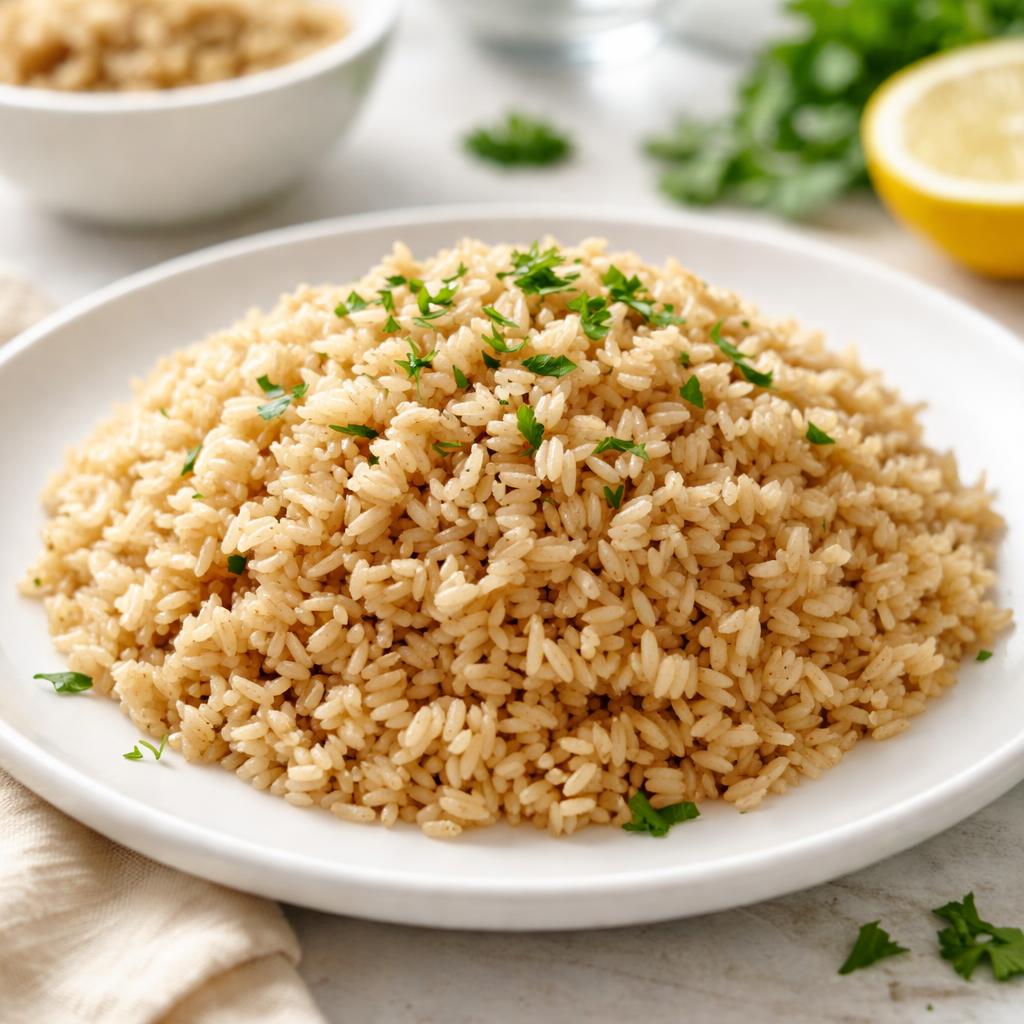
Brown Rice
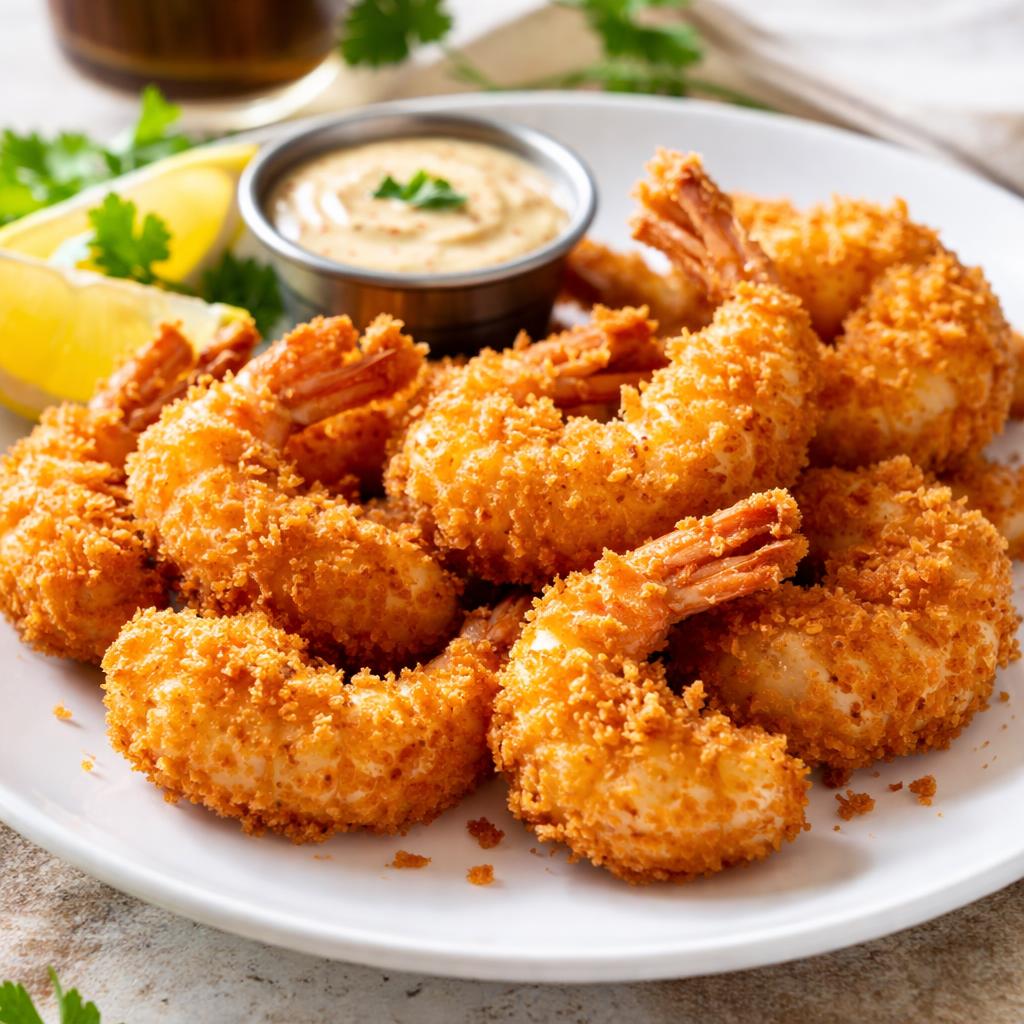
Breaded Shrimp
🎯 Quick Verdict
Brown rice and breaded shrimp offer distinct nutritional profiles. Brown rice is higher in fiber and carbohydrates, making it a better option for sustained energy and digestive health. Breaded shrimp, on the other hand, excels in protein content and contains moderate healthy fats, suited for muscle maintenance and satiety. Calorie-wise, both are fairly comparable per serving size, making the choice depend on individual dietary goals and preferences.

Smart Nutrition Tracking with SnapCalorie

📊 Nutritional Comparison
Macronutrients
| Nutrient | Food 1 | Food 2 | Winner |
|---|---|---|---|
| Calories | 215 per cup | 206 per 85g (3 oz) | − |
| Protein | 5g per cup | 13g per 85g | ✓ |
| Carbs | 45g per cup | 14g per 85g | ✓ |
| Fat | 1.6g per cup | 7.2g per 85g | ✓ |
| Fiber | 3.5g per cup | 0.8g per 85g | ✓ |
Vitamins & Minerals
| Nutrient | Food 1 | Food 2 | Winner |
|---|---|---|---|
| Vitamin D | 0mcg | 2mcg per 85g | ✓ |
| Calcium | 20mg per cup | 50mg per 85g | ✓ |
| Iron | 0.8mg per cup | 0.3mg per 85g | ✓ |
🏆 Category Winners
Protein
Breaded shrimp has over 2.5 times more protein per serving than brown rice.
Fiber
Brown rice is higher in fiber, promoting better digestion and gut health.
Calories
Both foods have a similar calorie count per serving size.
Vitamins
Breaded shrimp contains vitamin D and more calcium, while brown rice has slightly more iron.
🥗 Diet Compatibility
Keto
Food 1: Not Compatible
Food 2: Not Compatible
Both foods have too many carbs for a keto diet.
Vegan
Food 1: Compatible
Food 2: Not Compatible
Brown rice is plant-based, but breaded shrimp is animal-based.
Gluten Free
Food 1: Compatible
Food 2: Not Compatible
Brown rice is naturally gluten-free, but breaded shrimp often contains wheat.
Paleo
Food 1: Compatible
Food 2: Not Compatible
Brown rice can fit some versions of paleo diets, while breaded shrimp does not due to breading.
Low-Carb
Food 1: Not Compatible
Food 2: Compatible
Brown rice is high in carbs, while breaded shrimp is relatively low-carb.
💪 Health Benefits Comparison
Food 1 Benefits
- Rich in fiber for digestive health
- Provides sustained energy from complex carbohydrates
- Contains small amounts of essential minerals like magnesium and selenium
Food 2 Benefits
- High in protein for muscle recovery and maintenance
- Contains healthy fats which contribute to satiety
- Provides vitamin D and calcium for bone health
✅ The Bottom Line
Choose brown rice for digestive health and sustained energy, particularly if you need a high-fiber, vegan, and gluten-free carbohydrate source. Breaded shrimp is better if you're seeking a protein-rich, moderate-carb option for muscle recovery or satiety. Consider your dietary goals to pick the most suitable option.
Choose Food 1 for: Energy boosting, vegan meals, fiber-rich diets
Choose Food 2 for: High-protein diets, post-workout recovery, moderate-carb diets


