Brown Bread VS Wholemeal Bread
A detailed nutritional comparison
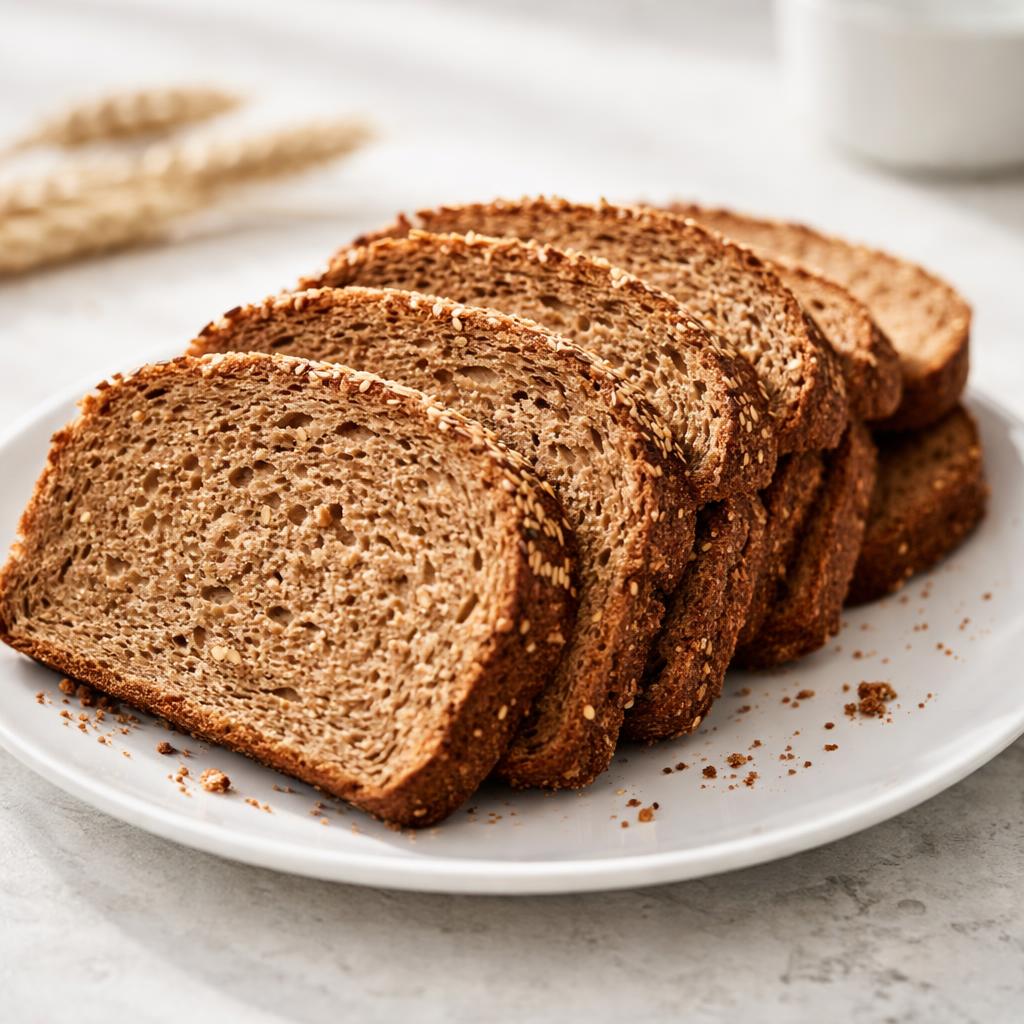
Brown Bread
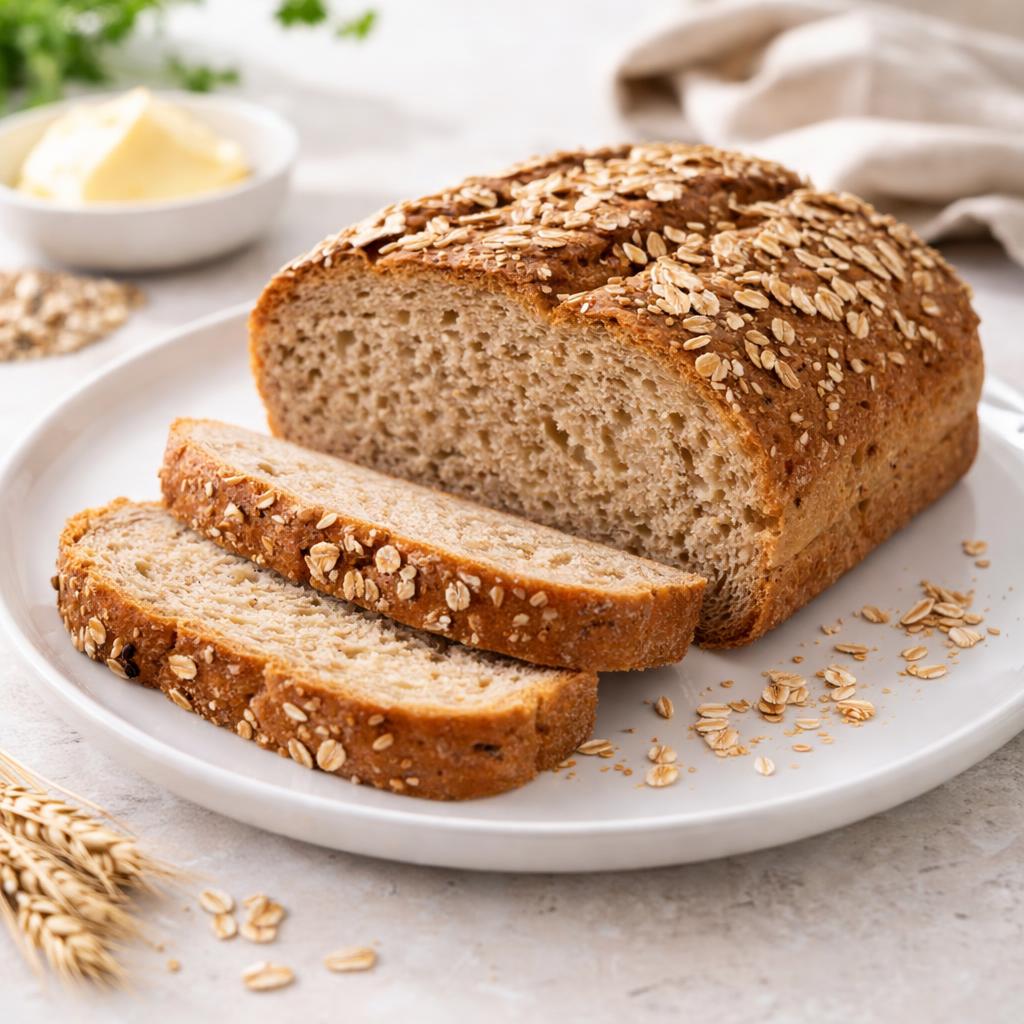
Wholemeal Bread
🎯 Quick Verdict
Wholemeal bread edges out brown bread due to its higher fiber content and slightly better micronutrient profile. Both breads provide similar amounts of calories, protein, and carbs, making them effective options for general consumption. Wholemeal bread is ideal for promoting digestion, while brown bread is a balanced choice for energy and versatility in different meals.

Smart Nutrition Tracking with SnapCalorie

📊 Nutritional Comparison
Macronutrients
| Nutrient | Food 1 | Food 2 | Winner |
|---|---|---|---|
| Calories | 80 per slice | 80 per slice | − |
| Protein | 3.5g | 3.5g | − |
| Carbs | 15g | 14.5g | − |
| Fat | 0.8g | 0.9g | − |
| Fiber | 1.5g | 2.7g | − |
Vitamins & Minerals
| Nutrient | Food 1 | Food 2 | Winner |
|---|---|---|---|
| Vitamin B1 (Thiamin) | 0.15mg | 0.2mg | − |
| Iron | 1mg | 1.2mg | − |
| Magnesium | 20mg | 30mg | − |
🏆 Category Winners
Protein
Both brown bread and wholemeal bread provide 3.5g of protein per slice.
Fiber
Wholemeal bread has nearly double the fiber content, making it better for digestion.
Calories
Both breads provide approximately 80 calories per slice.
Vitamins
Wholemeal bread contains slightly higher levels of iron, magnesium, and B vitamins.
🥗 Diet Compatibility
Keto
Food 1: Not Compatible
Food 2: Not Compatible
Both breads are high in carbohydrates which are not suitable for keto diets.
Vegan
Food 1: Compatible
Food 2: Compatible
Both breads are plant-based and free from animal products.
Gluten Free
Food 1: Not Compatible
Food 2: Not Compatible
Both contain gluten and are unsuitable for individuals with gluten intolerance.
Paleo
Food 1: Not Compatible
Food 2: Not Compatible
Neither food aligns with paleo diet principles due to the use of grains.
Low-Carb
Food 1: Not Compatible
Food 2: Not Compatible
Neither bread is low-carb, with over 14g of carbs per serving.
💪 Health Benefits Comparison
Food 1 Benefits
- Provides sustained energy due to its carbohydrate content
- Contains essential B vitamins for metabolic health
- Moderate fiber content improves digestion
Food 2 Benefits
- High fiber content promotes healthy bowel movements
- Rich in magnesium and iron for better muscle and blood health
- Supports heart health through its micronutrient profile
✅ The Bottom Line
Wholemeal bread is slightly better than brown bread for digestive health and nutrient density due to its higher fiber and vitamin content. Brown bread is still a balanced option, suitable for everyday meals and general energy needs.
Choose Food 1 for: Balanced energy, versatile use in sandwiches and toast
Choose Food 2 for: Digestive health, nutrient-rich meals


