Brown Bread VS Sourdough Bread
A detailed nutritional comparison
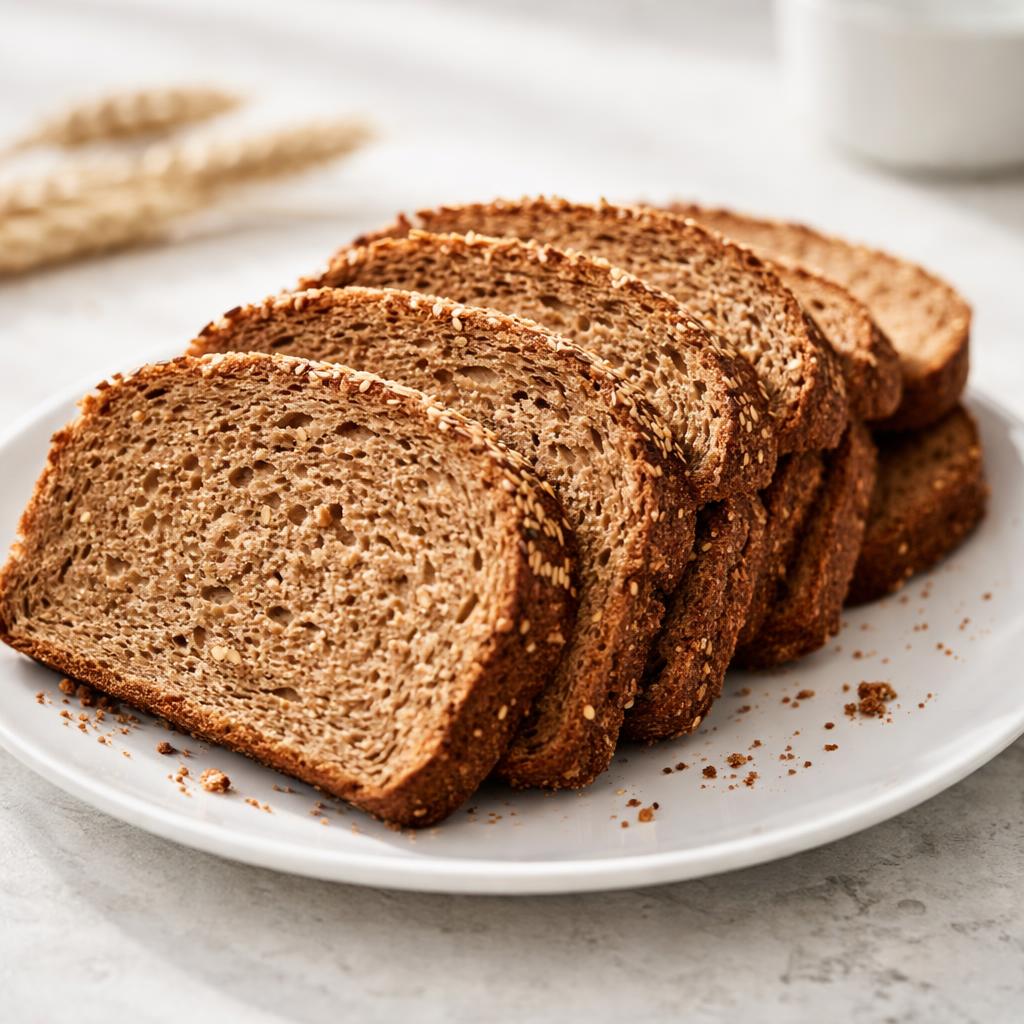
Brown Bread
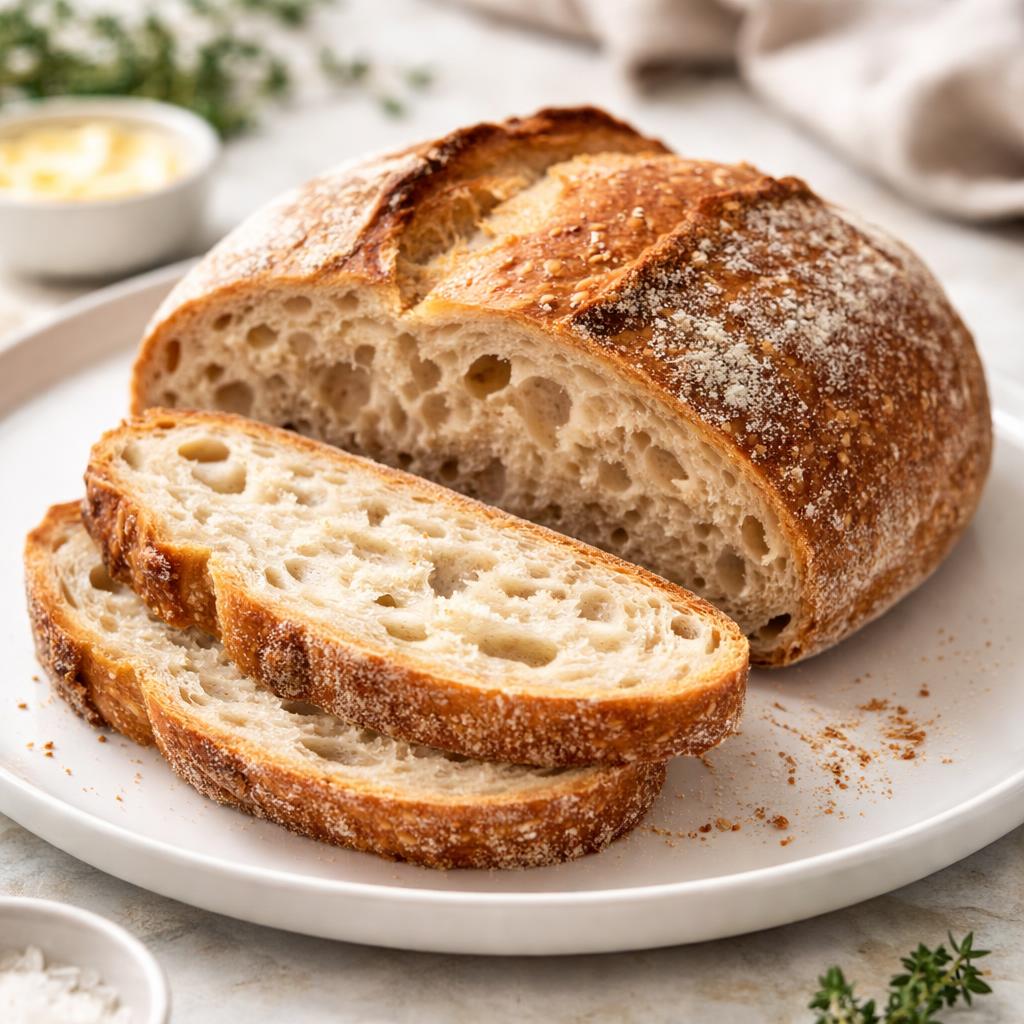
Sourdough Bread
🎯 Quick Verdict
Brown bread and sourdough bread differ significantly in nutritional content. Brown bread excels in protein and fiber, making it a better option for digestion and muscle support. Sourdough has fewer calories and offers easier digestibility due to natural fermentation, making it a gentler choice for sensitive stomachs. Both are versatile options depending on health goals and dietary preferences.

Smart Nutrition Tracking with SnapCalorie

📊 Nutritional Comparison
Macronutrients
| Nutrient | Food 1 | Food 2 | Winner |
|---|---|---|---|
| Calories | 82 per slice | 70 per slice | ✓ |
| Protein | 3.5g | 2.9g | ✓ |
| Carbs | 15g | 14.3g | ✓ |
| Fat | 1g | 0.6g | ✓ |
| Fiber | 2g | 0.8g | ✓ |
Vitamins & Minerals
| Nutrient | Food 1 | Food 2 | Winner |
|---|---|---|---|
| Vitamin B6 | 0.2mg | 0.1mg | ✓ |
| Iron | 0.7mg | 0.5mg | ✓ |
| Magnesium | 21mg | 15mg | ✓ |
🏆 Category Winners
Protein
Brown bread contains 21% more protein per slice.
Fiber
Brown bread offers more than double the fiber content of sourdough.
Calories
Sourdough has 15% fewer calories compared to brown bread.
Vitamins
Brown bread has higher amounts of key vitamins and minerals such as magnesium and iron.
🥗 Diet Compatibility
Keto
Food 1: Not Compatible
Food 2: Not Compatible
Both are moderate to high in carbs.
Vegan
Food 1: Compatible
Food 2: Compatible
Both breads are made without animal products unless eggs or milk are added.
Gluten Free
Food 1: Not Compatible
Food 2: Not Compatible
Both contain gluten as they are made from wheat flour.
Paleo
Food 1: Not Compatible
Food 2: Not Compatible
Neither fits strict paleo guidelines due to the use of grains.
Low-Carb
Food 1: Not Compatible
Food 2: Not Compatible
Both breads have over 14g carbs per slice.
💪 Health Benefits Comparison
Food 1 Benefits
- Rich in dietary fiber for improved digestion and preventing constipation
- Higher protein content to help support muscle maintenance
- Better source of essential vitamins and minerals like magnesium and iron
Food 2 Benefits
- Naturally fermented for easier digestibility and gut health
- Lower calories, making it suitable for calorie-conscious diets
- Contains antioxidants from the fermentation process that may support immunity
✅ The Bottom Line
Brown bread is the better option for those seeking higher fiber, protein, and essential nutrients. On the other hand, sourdough bread is ideal for people prioritizing lower calories and better digestibility, especially if prone to bloating or gut issues. Both can fit into a balanced diet, depending on specific needs.
Choose Food 1 for: High-fiber diets, weight maintenance, nutrient density
Choose Food 2 for: Low-calorie diets, digestion support, sandwich-making


