Brown Bread VS Seeded Bread
A detailed nutritional comparison
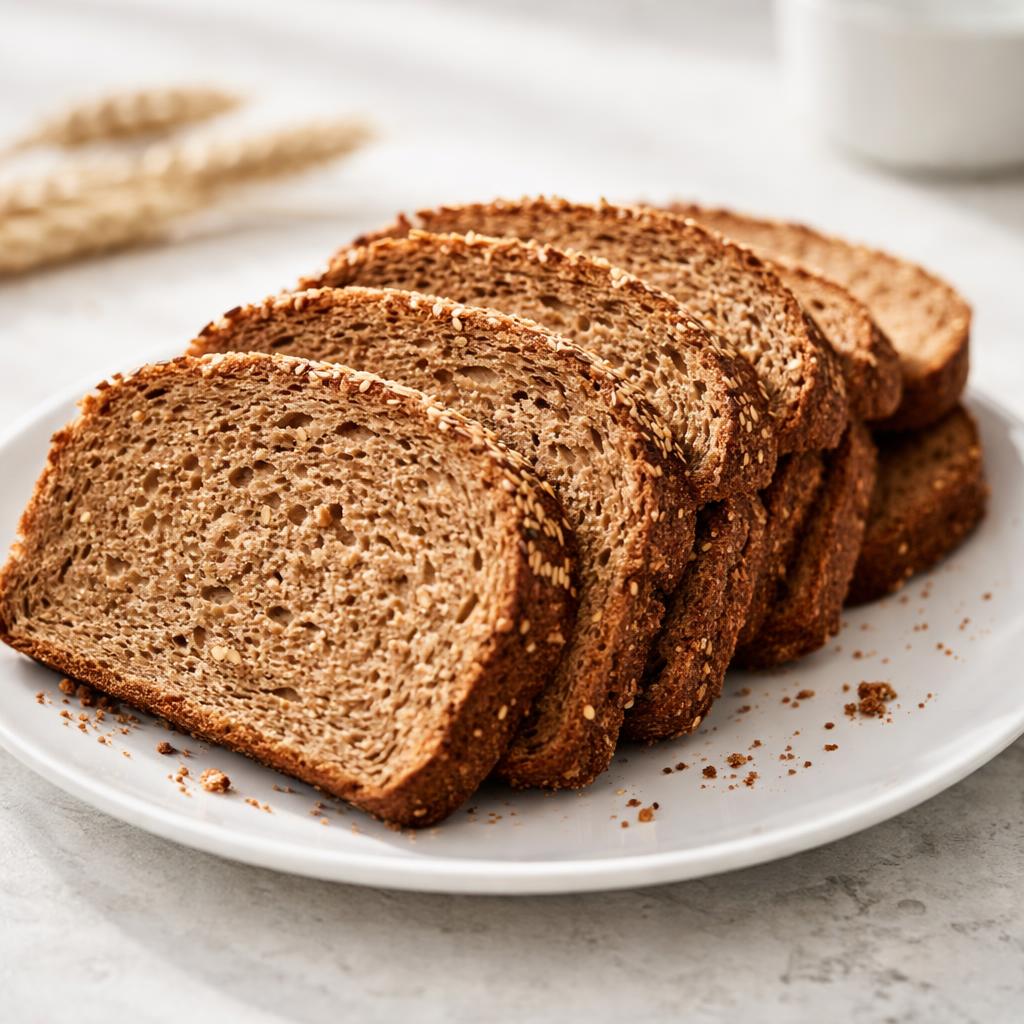
Brown Bread
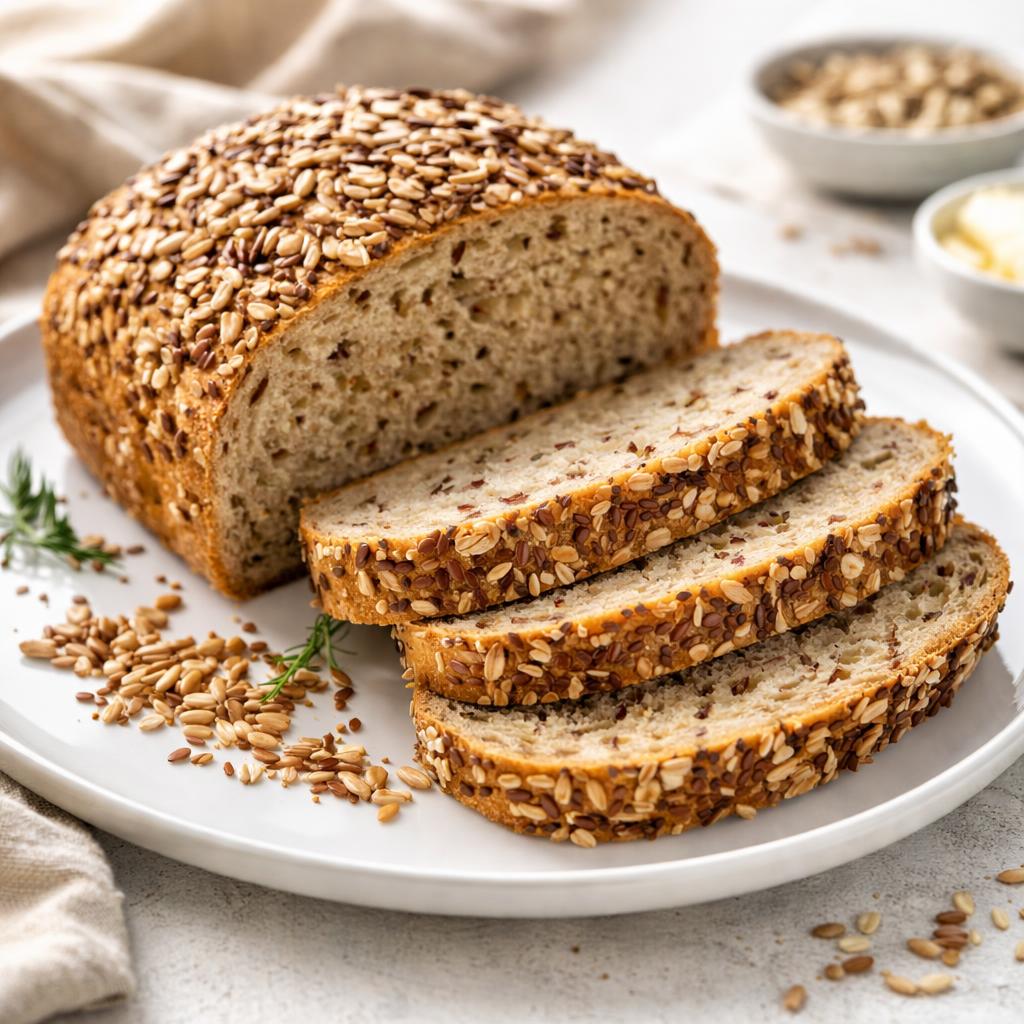
Seeded Bread
🎯 Quick Verdict
Seeded bread generally outperforms brown bread nutritionally, offering higher protein and fiber content due to the inclusion of seeds. Brown bread remains a solid choice for standard fiber intake and a slightly simpler, less dense nutritional profile. Seeded bread is ideal for those seeking nutrient-dense options, while brown bread is better for general use.

Smart Nutrition Tracking with SnapCalorie

📊 Nutritional Comparison
Macronutrients
| Nutrient | Food 1 | Food 2 | Winner |
|---|---|---|---|
| Calories | 70 per slice | 70 per slice | − |
| Protein | 3g per slice | 5g per slice | − |
| Carbs | 13g per slice | 12g per slice | − |
| Fat | 0.8g per slice | 3.5g per slice | − |
| Fiber | 2g per slice | 4g per slice | − |
Vitamins & Minerals
| Nutrient | Food 1 | Food 2 | Winner |
|---|---|---|---|
| Vitamin D | 0mcg | 0mcg | − |
| Calcium | 50mg per slice | 70mg per slice | − |
| Iron | 0.5mg per slice | 0.8mg per slice | − |
🏆 Category Winners
Protein
Seeded bread offers 66% more protein per slice due to the seeds included.
Fiber
Seeded bread contains double the fiber for improved digestion.
Calories
Both breads provide roughly an equal amount of calories per slice (70).
🥗 Diet Compatibility
Keto
Food 1: Not Compatible
Food 2: Not Compatible
Both are too high in carbs for keto diets.
Vegan
Food 1: Compatible
Food 2: Compatible
Both breads are typically plant-based.
Gluten Free
Food 1: Not Compatible
Food 2: Not Compatible
Both contain gluten from wheat flour.
Paleo
Food 1: Not Compatible
Food 2: Not Compatible
Grains are not included in paleo diets.
Low Carb
Food 1: Not Compatible
Food 2: Not Compatible
Both breads contain over 10g carbs per slice.
💪 Health Benefits Comparison
Food 1 Benefits
- Provides a moderate source of fiber for general digestive health
- Low in fat, making it a lighter option
- Contains essential nutrients like iron and calcium for bone health
Food 2 Benefits
- High protein content supports muscle repair and maintenance
- Rich in fiber for improved digestion and satiety
- Contains healthy fats from seeds for heart health
✅ The Bottom Line
Seeded bread is the more nutrient-dense option, offering higher protein and fiber content along with healthy fats and minerals. Choose seeded bread if you want a satiating and nutritious option, particularly for active lifestyles. Brown bread is better for those seeking a lighter, simpler option for general use.
Choose Food 1 for: Light meals, general fiber intake, simpler nutritional profile
Choose Food 2 for: Active lifestyles, high-fiber diets, nutrient density focus


