Brown Bread VS Gluten-Free Bread
A detailed nutritional comparison
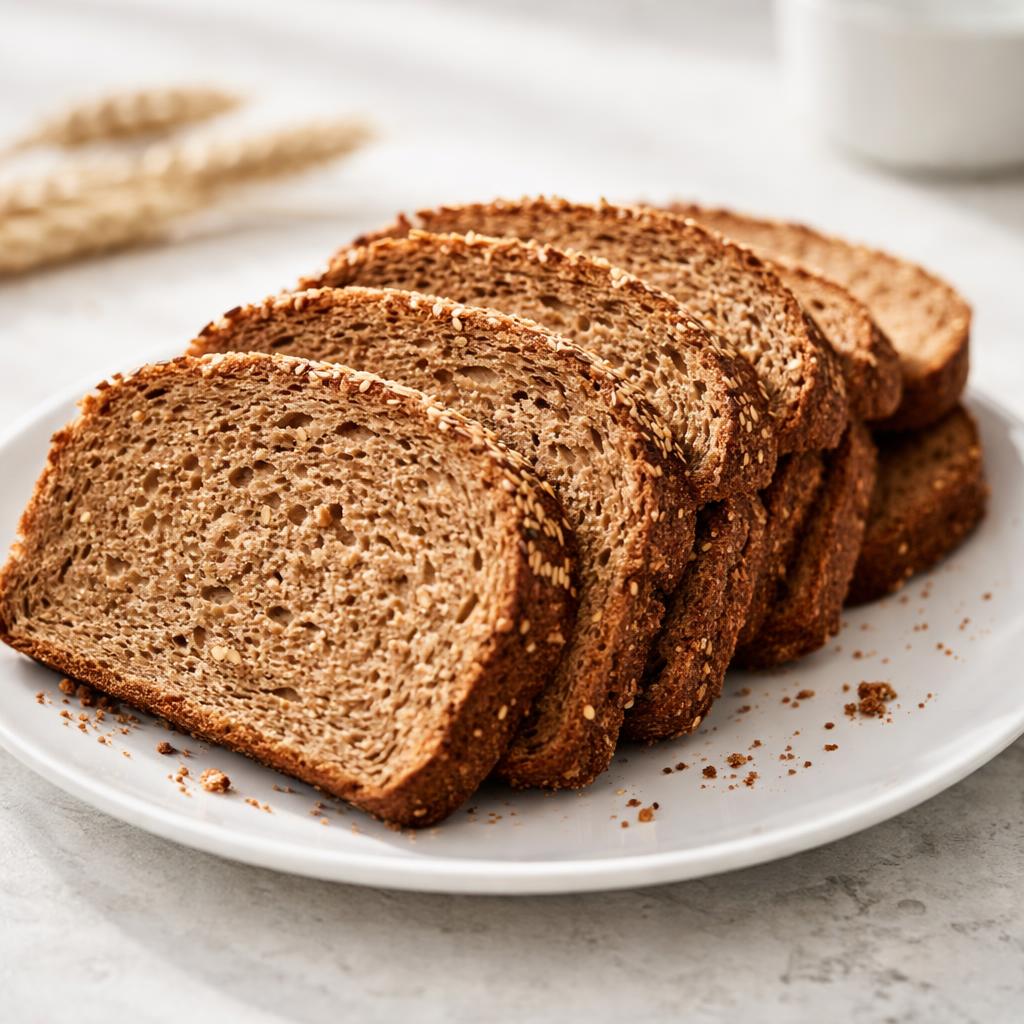
Brown Bread
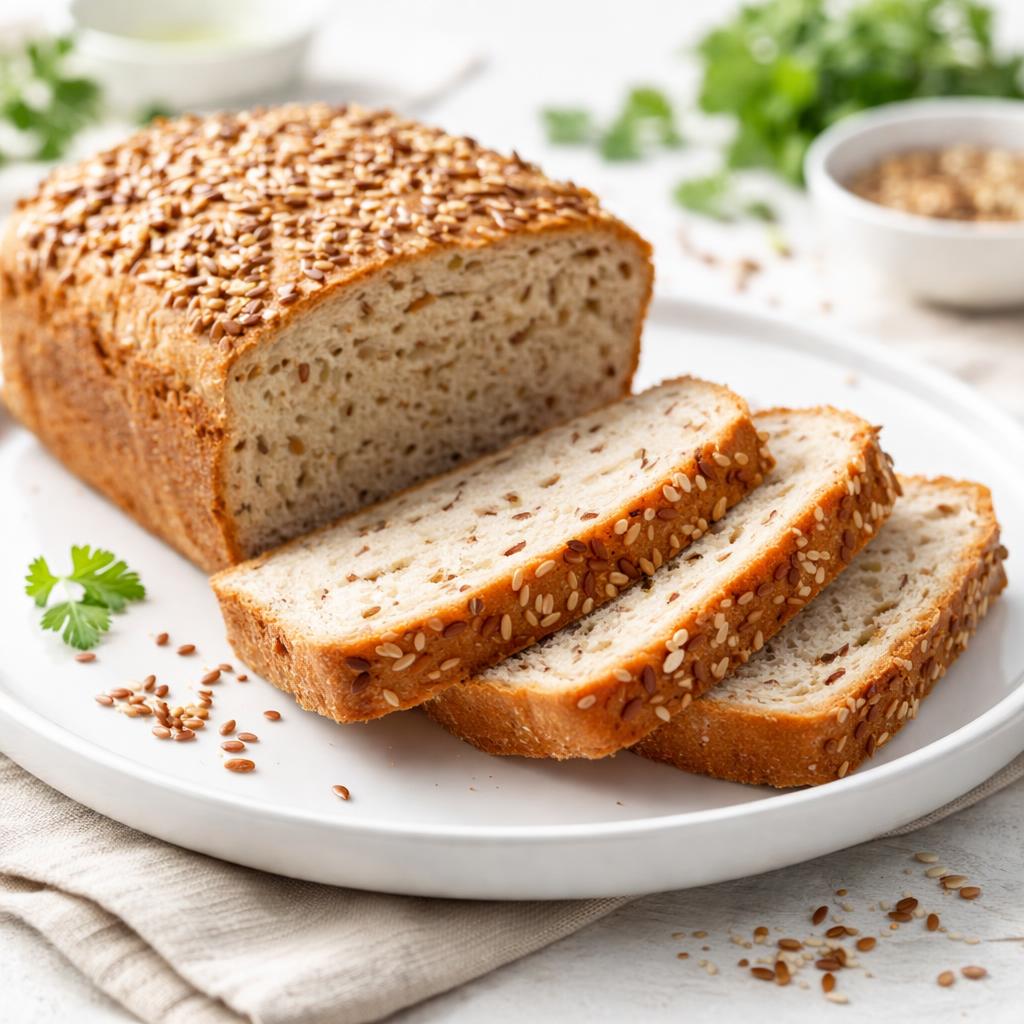
Gluten-Free Bread
🎯 Quick Verdict
Brown bread and gluten-free bread differ significantly in their nutritional composition. Brown bread tends to have higher protein and fiber content, making it a strong choice for overall nutrition and satiety. Gluten-free bread is ideal for individuals with gluten intolerance or celiac disease but often lacks the nutrient density of brown bread. Brown bread is more suitable for general health, while gluten-free bread caters to specific dietary needs like gluten-free lifestyles.

Smart Nutrition Tracking with SnapCalorie

📊 Nutritional Comparison
Macronutrients
| Nutrient | Food 1 | Food 2 | Winner |
|---|---|---|---|
| Calories | 80 | 80 | − |
| Protein | 4g | 2g | − |
| Carbs | 15g | 17g | − |
| Fat | 1g | 2g | − |
| Fiber | 3g | 1g | − |
Vitamins & Minerals
| Nutrient | Food 1 | Food 2 | Winner |
|---|---|---|---|
| Vitamin D | 0mcg | 0mcg | − |
| Calcium | 40mg | 30mg | − |
| Iron | 2mg | 1mg | − |
🏆 Category Winners
Protein
Brown bread has double the protein content compared to gluten-free bread.
Fiber
Brown bread contains three times more fiber, supporting better digestion.
Calories
Both bread types provide 80 calories per serving.
🥗 Diet Compatibility
Keto
Food 1: Not Compatible
Food 2: Not Compatible
Both are too high in carbs for keto diets.
Vegan
Food 1: Compatible
Food 2: Compatible
Neither bread contains animal-derived ingredients.
Gluten Free
Food 1: Not Compatible
Food 2: Compatible
Only gluten-free bread avoids gluten.
Paleo
Food 1: Not Compatible
Food 2: Not Compatible
Neither bread aligns with paleo diet principles.
Low-Carb
Food 1: Not Compatible
Food 2: Not Compatible
Both are carb-based foods unsuitable for low-carb diets.
💪 Health Benefits Comparison
Food 1 Benefits
Food 2 Benefits
✅ The Bottom Line
Brown bread is the better choice for general health due to its higher protein and fiber content, making it great for digestion and muscle maintenance. Gluten-free bread, while often less nutrient-dense, is essential for individuals with gluten allergies or intolerances and serves as a necessary dietary substitute.
Choose Food 1 for: General health, digestion, weight management
Choose Food 2 for: Gluten intolerance, celiac disease, quick energy needs


