Brown Bread VS Bread Toast
A detailed nutritional comparison
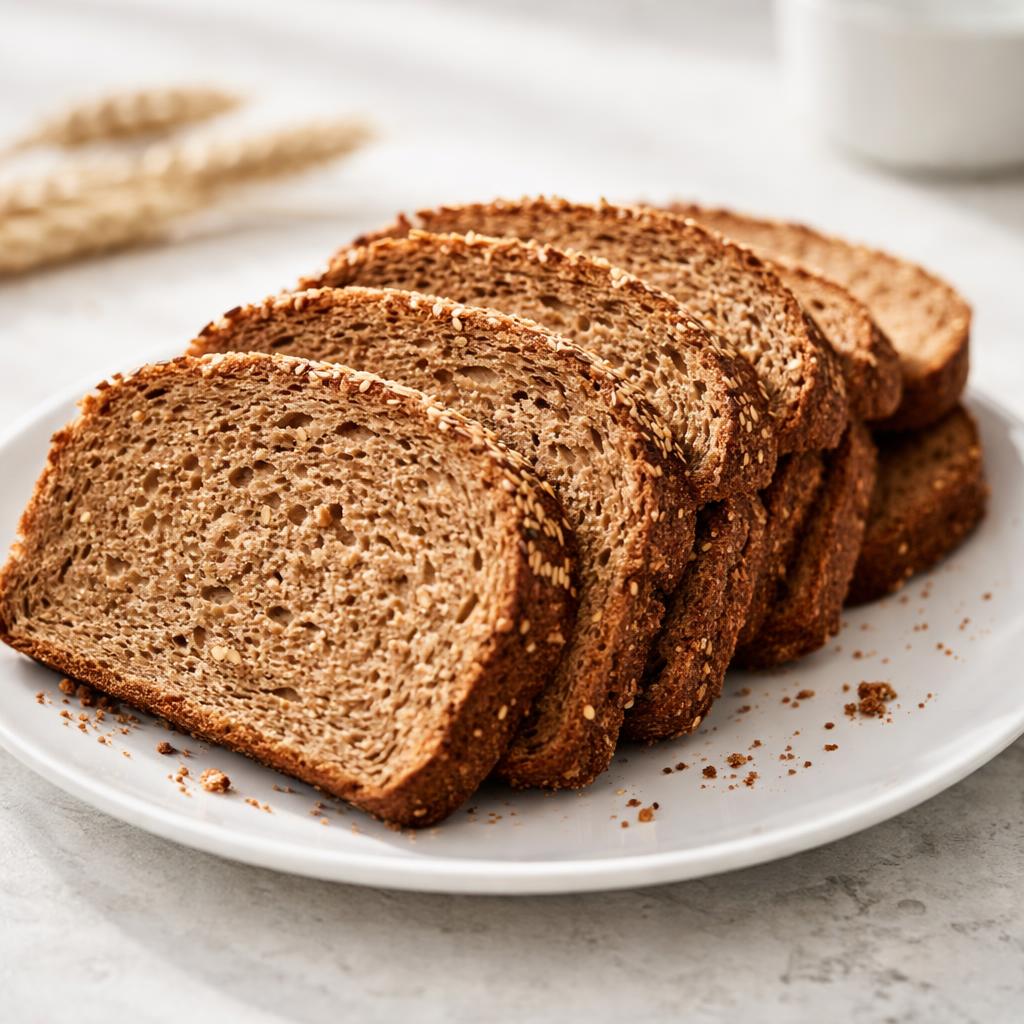
Brown Bread
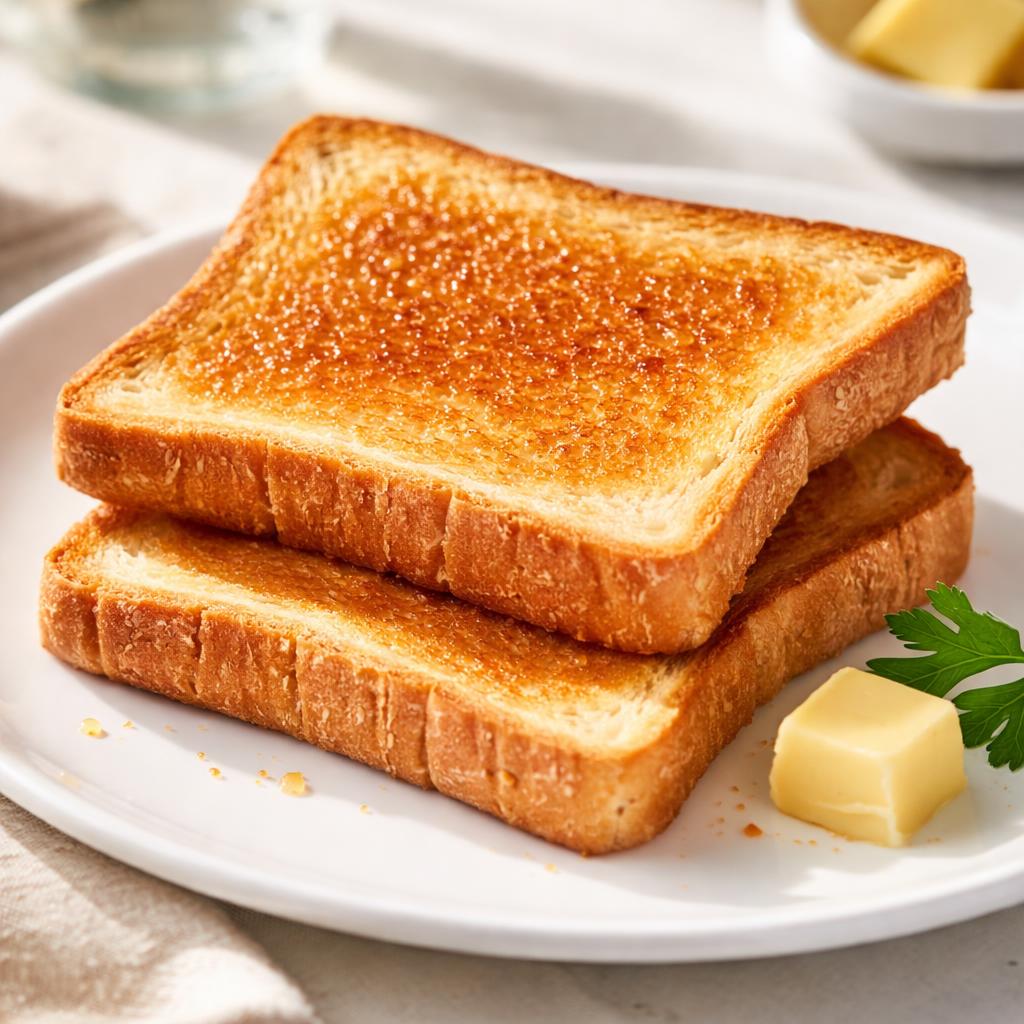
Bread Toast
🎯 Quick Verdict
Brown bread is generally more nutritious as it contains higher fiber and micronutrient content, supporting digestion and overall health. Bread toast has slightly more protein and fewer calories, making it a lighter option. Brown bread is ideal for health-conscious individuals, while bread toast fits better as a quick, calorie-light snack option.

Smart Nutrition Tracking with SnapCalorie

📊 Nutritional Comparison
Macronutrients
| Nutrient | Food 1 | Food 2 | Winner |
|---|---|---|---|
| Calories | 80 | 70 | ✓ |
| Protein | 4g | 5g | ✓ |
| Carbs | 16g | 15g | ✓ |
| Fat | 1g | 0.5g | ✓ |
| Fiber | 2g | 0.5g | ✓ |
Vitamins & Minerals
| Nutrient | Food 1 | Food 2 | Winner |
|---|---|---|---|
| Vitamin D | 0mcg | 0mcg | − |
| Calcium | 25mg | 15mg | ✓ |
| Iron | 1mg | 0.5mg | ✓ |
🏆 Category Winners
Protein
Bread toast has 25% more protein compared to brown bread.
Fiber
Brown bread contains four times more fiber per serving.
Calories
Bread toast has approximately 13% fewer calories than brown bread.
Vitamins
Brown bread provides more calcium and iron per serving.
🥗 Diet Compatibility
Keto
Food 1: Not Compatible
Food 2: Not Compatible
Both are high in carbs (over 15g per serving).
Vegan
Food 1: Compatible
Food 2: Compatible
Neither contain animal-based ingredients.
Gluten Free
Food 1: Not Compatible
Food 2: Not Compatible
Both contain gluten due to wheat content.
Paleo
Food 1: Not Compatible
Food 2: Not Compatible
Both are grain-based, which is excluded in paleo diets.
Low-Carb
Food 1: Not Compatible
Food 2: Not Compatible
Carbohydrate content exceeds limits for low-carb diets.
💪 Health Benefits Comparison
Food 1 Benefits
- Rich in fiber to support digestive health
- Provides essential minerals like calcium and iron
- Can help in prolonged energy release, stabilizing blood sugar
Food 2 Benefits
- Lower in calories for lighter meals or snacks
- Moderate protein content can support muscle health
- Quick to prepare for convenient low-energy meals
✅ The Bottom Line
Brown bread is a better option for overall nutrition and balanced meals, with higher fiber and more minerals. Bread toast is a lighter, faster option for quick snacks but is slightly less nutrient-dense. Choose brown bread for sustainable energy and digestive health; opt for bread toast for lower-calorie meals with slightly higher protein.
Choose Food 1 for: Digestive health, nutrient-rich meals, long-term energy stability
Choose Food 2 for: Quick snacks, lighter meals, post-workout protein needs


