Brown Bread VS Bread Rolls
A detailed nutritional comparison
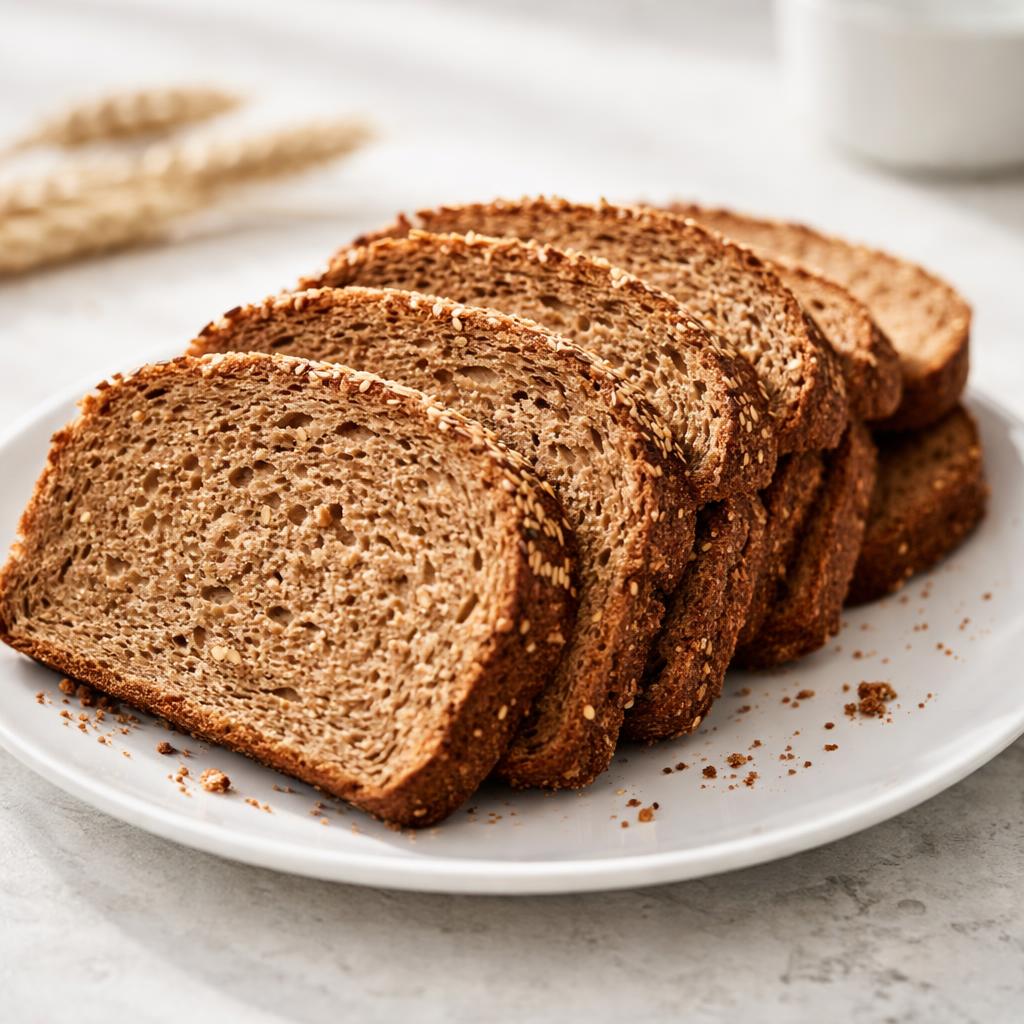
Brown Bread

Bread Rolls
🎯 Quick Verdict
Brown bread is nutritionally superior to bread rolls, providing higher amounts of protein, fiber, and fewer calories. Bread rolls, while denser in calories and often higher in fat, may be more suited to occasions where energy density or richer flavor is desired, such as with hearty meals or snacks.

Smart Nutrition Tracking with SnapCalorie

📊 Nutritional Comparison
Macronutrients
| Nutrient | Food 1 | Food 2 | Winner |
|---|---|---|---|
| Calories | 80 per slice (average 30g) | 150 per roll (average 50g) | ✓ |
| Protein | 3g | 2g | ✓ |
| Carbs | 14g | 25g | ✓ |
| Fat | 0.8g | 2g | ✓ |
| Fiber | 2.5g | 1g | ✓ |
Vitamins & Minerals
| Nutrient | Food 1 | Food 2 | Winner |
|---|---|---|---|
| Vitamin B1 (Thiamine) | 0.1mg | 0.05mg | ✓ |
| Iron | 0.6mg | 0.2mg | ✓ |
| Magnesium | 20mg | 10mg | ✓ |
🏆 Category Winners
Protein
Brown bread provides 50% more protein per serving compared to bread rolls.
Fiber
Brown bread contains 2.5g of fiber, which is 150% more fiber than bread rolls.
Calories
Brown bread has only 80 calories per slice compared to 150 calories per bread roll.
🥗 Diet Compatibility
Keto
Food 1: Not Compatible
Food 2: Not Compatible
Both are high in carbs and not suitable for a keto diet.
Vegan
Food 1: Compatible
Food 2: Compatible
Both items are typically plant-based unless additives are included.
Gluten Free
Food 1: Not Compatible
Food 2: Not Compatible
Both foods contain gluten unless specifically labeled gluten-free.
Paleo
Food 1: Not Compatible
Food 2: Not Compatible
As grain-based foods, neither aligns with the paleo diet.
Low-Carb
Food 1: Partially Compatible
Food 2: Not Compatible
Brown bread is lower in carbs but still not fully suitable for strict low-carb diets.
💪 Health Benefits Comparison
Food 1 Benefits
- Higher fiber content supports digestion and gut health.
- Provides essential nutrients like iron and magnesium.
- Low calorie and low-fat, making it ideal for weight management.
Food 2 Benefits
- Energy-dense and suitable for active lifestyles.
- Contains moderate amounts of fat, which may provide a richer flavor.
- Can provide quick energy for recovery meals or snacks.
✅ The Bottom Line
Brown bread is a better choice for everyday nutrition, digestion, and weight management due to its higher fiber, protein, and lower calories. Bread rolls may be preferred for occasional indulgence or when a more energy-dense option is needed, such as with soups or hearty meals.
Choose Food 1 for: Weight management, high-fiber diets, daily consumption
Choose Food 2 for: Quick energy, pairing with rich meals, occasional indulgence


