Broccoli VS White Wine
A detailed nutritional comparison
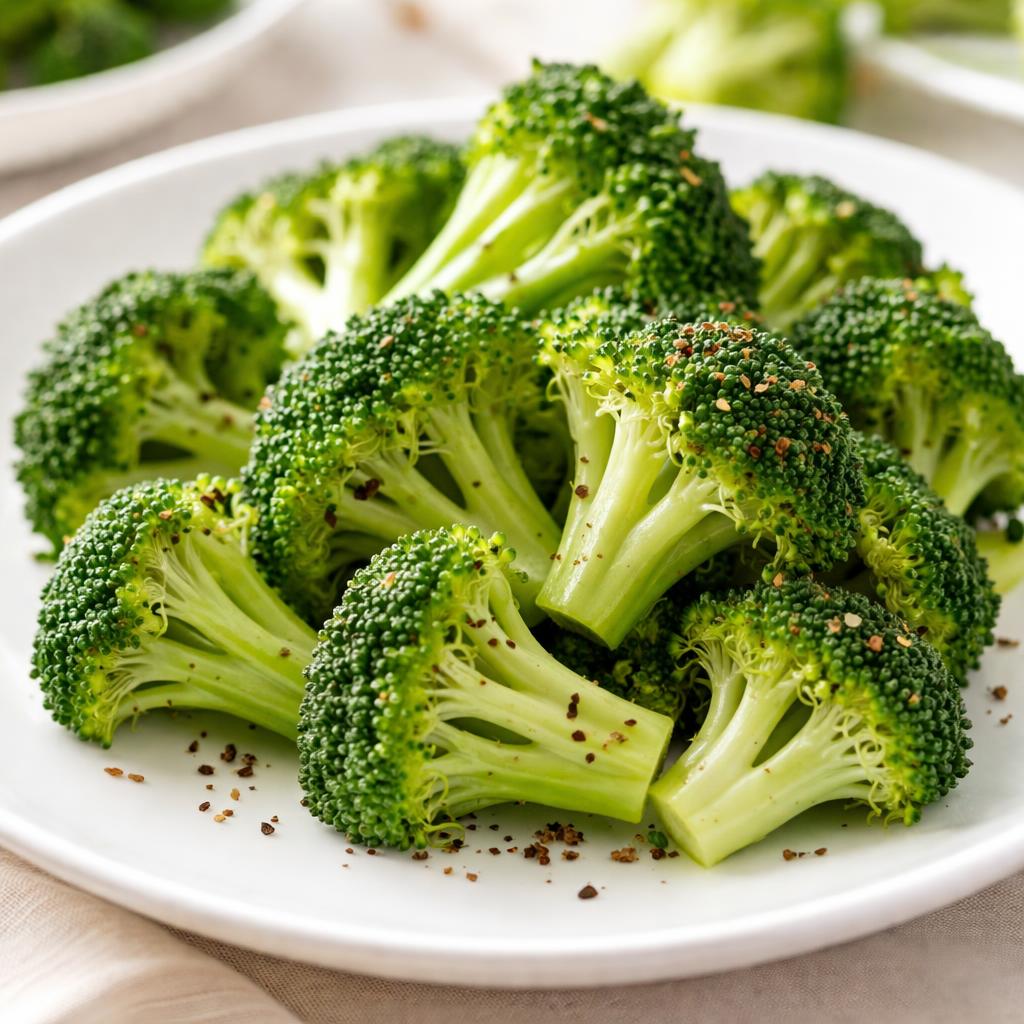
Broccoli
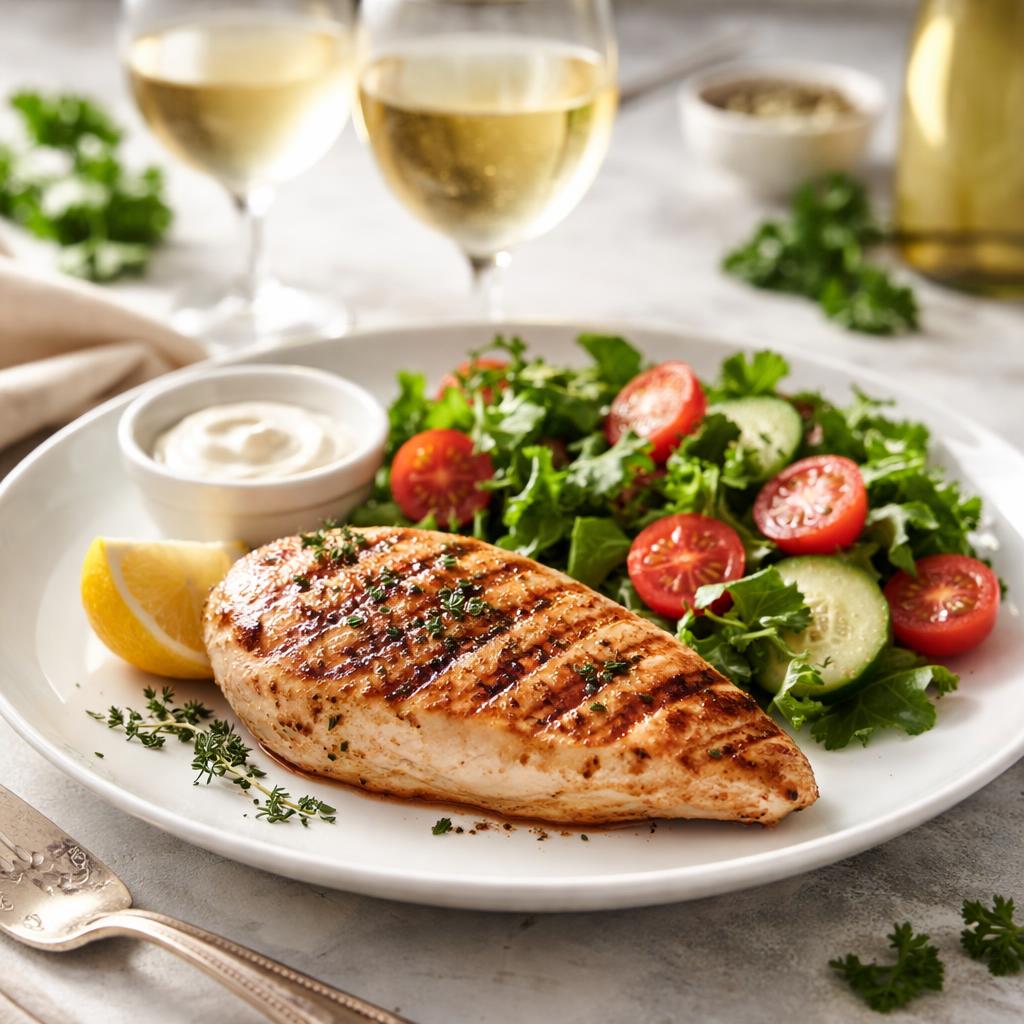
White Wine
🎯 Quick Verdict
Broccoli is a nutrition powerhouse offering high protein, fiber, and low calorie content, perfect for weight loss and overall health enhancement. White wine provides antioxidants and a low-carb beverage option but lacks significant protein or fiber, making it less versatile nutritionally.

Smart Nutrition Tracking with SnapCalorie

📊 Nutritional Comparison
Macronutrients
| Nutrient | Food 1 | Food 2 | Winner |
|---|---|---|---|
| Calories | 55 per 100g | 82 per 100ml | ✓ |
| Protein | 3.7g per 100g | 0.1g per 100ml | ✓ |
| Carbs | 11.2g per 100g | 2.6g per 100ml | ✓ |
| Fat | 0.6g per 100g | 0g per 100ml | ✓ |
| Fiber | 2.6g per 100g | 0g per 100ml | ✓ |
Vitamins & Minerals
| Nutrient | Food 1 | Food 2 | Winner |
|---|---|---|---|
| Vitamin C | 89.2mg per 100g | 0mg per 100ml | ✓ |
| Vitamin K | 101.6mcg per 100g | 0.5mcg per 100ml | ✓ |
| Folate | 63mcg per 100g | 1mcg per 100ml | ✓ |
| Antioxidants | Moderate | High polyphenols | ✓ |
🏆 Category Winners
Protein
Broccoli contains significantly higher protein compared to wine.
Fiber
Broccoli has 2.6g of fiber per serving, while white wine has none.
Calories
Broccoli is lower calorie, with just 55kcal per 100g.
Vitamins
Broccoli is rich in Vitamin C, K, and folate, while wine provides minimal vitamins.
🥗 Diet Compatibility
Keto
Food 1: Compatible
Food 2: Compatible
Both are low-carb options.
Vegan
Food 1: Compatible
Food 2: Compatible
Both are plant-based.
Gluten Free
Food 1: Compatible
Food 2: Compatible
Neither contains gluten.
Paleo
Food 1: Compatible
Food 2: Not Compatible
Broccoli aligns with paleo guidelines, while wine is excluded.
Low-Carb
Food 1: Compatible
Food 2: Compatible
Both have lower carb content, with wine being very low.
💪 Health Benefits Comparison
Food 1 Benefits
- Rich in fiber for digestive health
- High in Vitamin C for immune system support
- Contains antioxidants to combat free radicals
- Offers plant-based protein for muscle maintenance
Food 2 Benefits
- Contains antioxidants (polyphenols) for heart health
- May support relaxation and social enjoyment
- Provides a low-carb beverage option
- Moderate consumption linked to reduced stress levels
✅ The Bottom Line
Broccoli is the clear nutritional winner and ideal for weight loss, high-fiber, and high-protein diets. White wine, while lacking in key nutrients, can be enjoyed in moderation as a low-carb beverage and source of antioxidants. Choose broccoli for health optimization and wine for casual occasions.
Choose Food 1 for: Weight loss, nutrient density, overall health
Choose Food 2 for: Casual drinking, relaxation, antioxidants


