Broccoli VS Fried Chicken
A detailed nutritional comparison
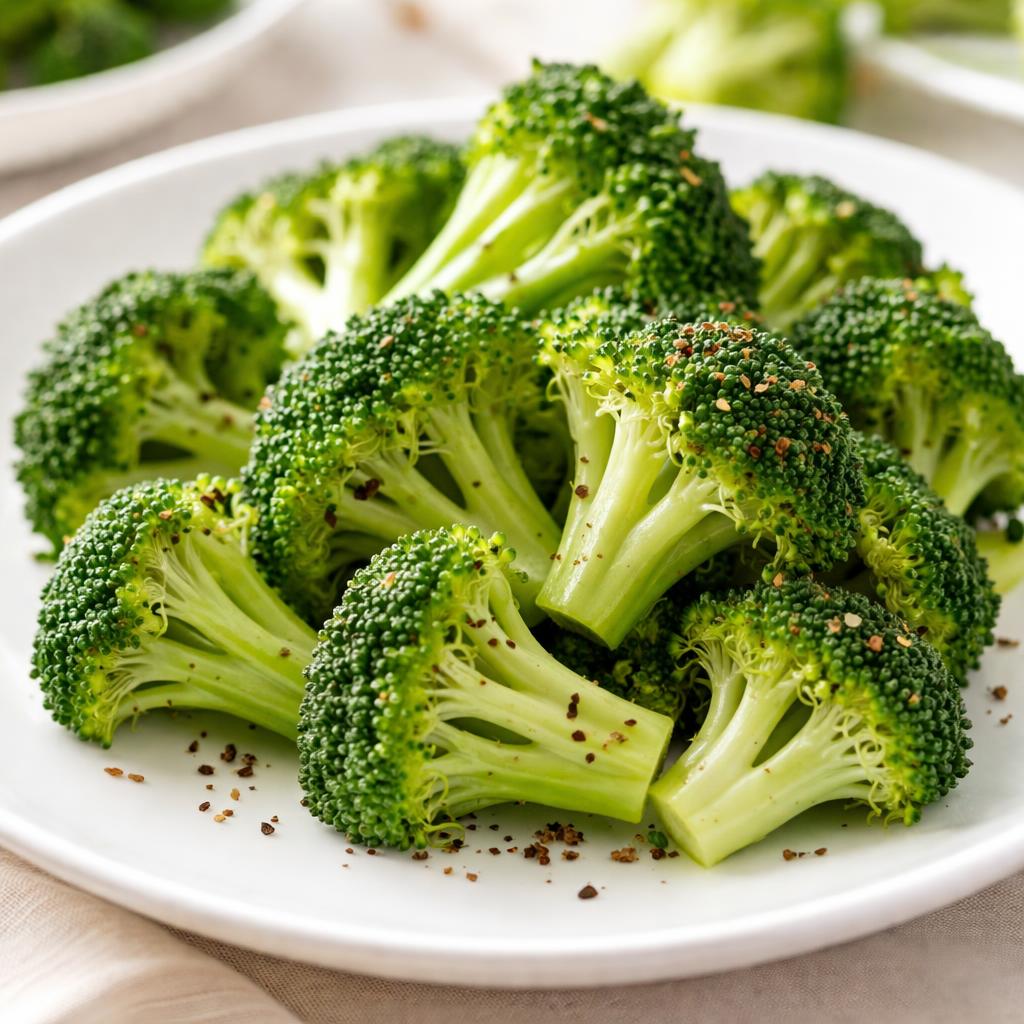
Broccoli
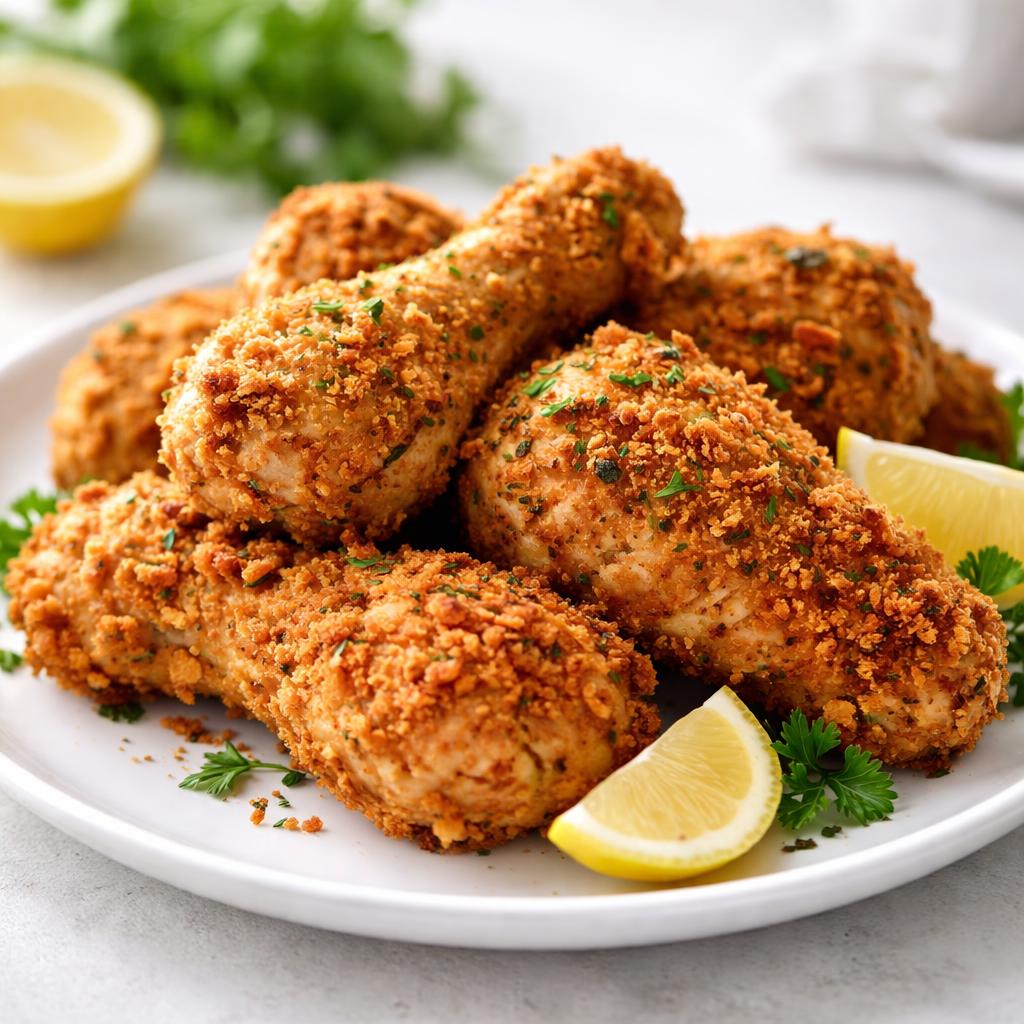
Fried Chicken
🎯 Quick Verdict
Broccoli is a nutrient-dense, low-calorie vegetable boasting high fiber and significant vitamins like Vitamin C and K. Fried chicken offers much higher protein and energy but is calorie-dense and contains more fat, particularly saturated fat. Choose broccoli for nutrition and weight management, while fried chicken suits high-protein needs or energy boosts in moderation.

Smart Nutrition Tracking with SnapCalorie

📊 Nutritional Comparison
Macronutrients
| Nutrient | Food 1 | Food 2 | Winner |
|---|---|---|---|
| Calories | 55 per 100g | 285 per 100g | ✓ |
| Protein | 4g per 100g | 18g per 100g | ✓ |
| Carbs | 11.2g per 100g | 7.2g per 100g | ✓ |
| Fat | 0.3g per 100g | 19.5g per 100g | ✓ |
| Fiber | 2.6g per 100g | 0g per 100g | ✓ |
Vitamins & Minerals
| Nutrient | Food 1 | Food 2 | Winner |
|---|---|---|---|
| Vitamin C | 89.2mg per 100g | 0mg per 100g | ✓ |
| Vitamin K | 101.6mcg per 100g | 0mcg per 100g | ✓ |
| Calcium | 47mg per 100g | 12mg per 100g | ✓ |
| Iron | 0.7mg per 100g | 1.3mg per 100g | ✓ |
🏆 Category Winners
Protein
Fried chicken provides over 4x more protein per 100g than broccoli.
Fiber
Broccoli is rich in fiber (2.6g per 100g) compared to none in fried chicken.
Calories
Broccoli contains approximately 80% fewer calories per serving than fried chicken.
Vitamins
Broccoli is a powerhouse of vitamins, especially Vitamin C and K, which are absent in fried chicken.
🥗 Diet Compatibility
Keto
Food 1: Compatible
Food 2: Compatible
Both foods are low in carbs and fit high-fat or protein requirements.
Vegan
Food 1: Compatible
Food 2: Not Compatible
Broccoli is plant-based; fried chicken is animal-based.
Gluten Free
Food 1: Compatible
Food 2: Depends on breading
Broccoli is naturally gluten-free, fried chicken may contain gluten in breading.
Paleo
Food 1: Compatible
Food 2: Compatible but questionable
Broccoli suits paleo diets, fried chicken may need modification (e.g., removing breading).
Low Carbohydrate
Food 1: Compatible
Food 2: Compatible
Both have low net carbs per 100g serving, fitting low-carb diets.
💪 Health Benefits Comparison
Food 1 Benefits
- Provides antioxidants for reducing inflammation
- Rich in Vitamin K for bone health
- High fiber content aids digestion and gut health
- Contains Vitamin C to boost immune system
Food 2 Benefits
- Excellent source of protein for muscle growth and repair
- Provides iron for oxygen transport in the blood
- Offers energy for athletic or high-calorie diets
- Contains fat for satiety and energy production
✅ The Bottom Line
Broccoli is the clear choice for those prioritizing nutrient density, weight management, or digestive health due to its fiber and low calorie count. Fried chicken works better as a high-protein option for those needing sustained energy or balanced meals, but should be consumed in moderation due to its high fat and calorie content.
Choose Food 1 for: Weight loss, nutrient density, vegan diets, digestion
Choose Food 2 for: High-protein diets, muscle building, energy sustenance


