Broccoli VS Curry Sauce
A detailed nutritional comparison
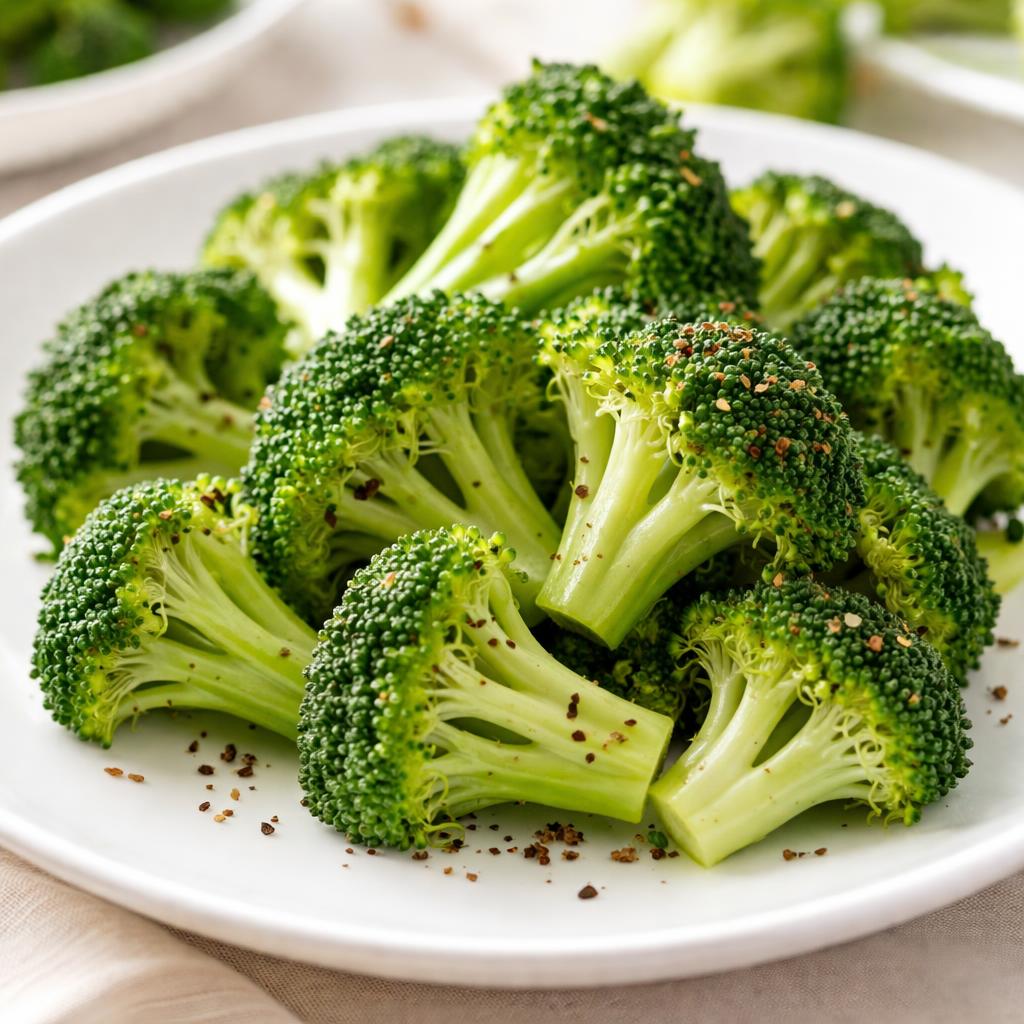
Broccoli
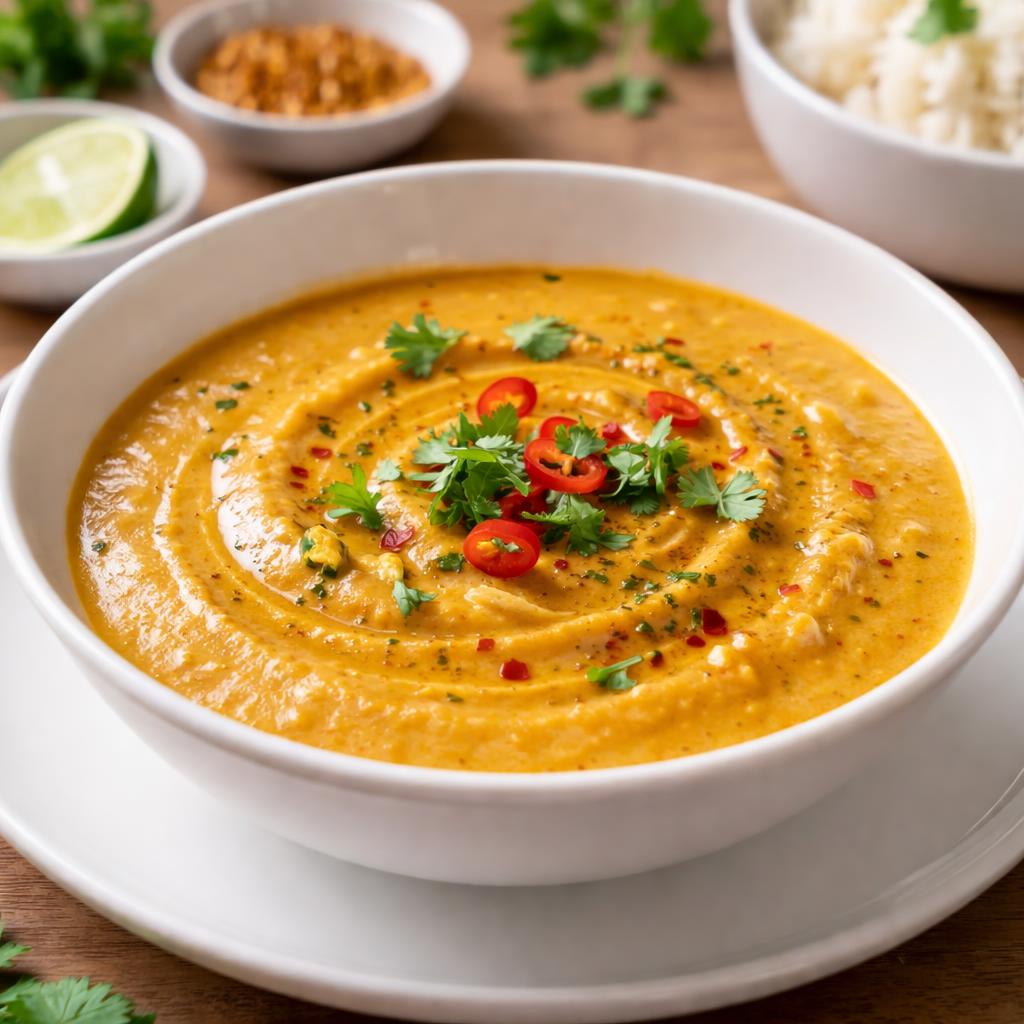
Curry Sauce
🎯 Quick Verdict
Broccoli is overwhelmingly more nutrient-dense than curry sauce, offering higher protein, fiber, and fewer calories per serving. Curry sauce is higher in fat and may provide unique flavors and antioxidants from spices. Broccoli is ideal for health-focused meals, while curry sauce works well to add taste and depth to dishes.

Smart Nutrition Tracking with SnapCalorie

📊 Nutritional Comparison
Macronutrients
| Nutrient | Food 1 | Food 2 | Winner |
|---|---|---|---|
| Calories | 55 (per 100g) | 200 (per 100g) | ✓ |
| Protein | 4g | 2g | ✓ |
| Carbs | 11g | 10g | − |
| Fat | 0.5g | 14g | ✓ |
| Fiber | 3.7g | 0.5g | ✓ |
Vitamins & Minerals
| Nutrient | Food 1 | Food 2 | Winner |
|---|---|---|---|
| Vitamin C | 89mg | 2mg | ✓ |
| Vitamin K | 101mcg | 5mcg | ✓ |
| Calcium | 47mg | 15mg | ✓ |
| Iron | 0.7mg | 0.5mg | ✓ |
🏆 Category Winners
Protein
Broccoli has double the protein compared to curry sauce.
Fiber
Broccoli provides significantly more fiber for digestion.
Calories
Broccoli has over three times fewer calories than curry sauce.
Vitamins
Broccoli is loaded with vitamins like C and K, while curry sauce is less rich in micronutrients.
🥗 Diet Compatibility
Keto
Food 1: Compatible
Food 2: Partially Compatible
Broccoli is low-carb, while curry sauce may contain added sugars or higher carbs.
Vegan
Food 1: Compatible
Food 2: Varies
Broccoli is inherently vegan, while curry sauce depends on the recipe.
Gluten Free
Food 1: Compatible
Food 2: Varies
Broccoli is naturally gluten-free; curry sauce may contain gluten depending on preparation.
Paleo
Food 1: Compatible
Food 2: Partially Compatible
Broccoli fits paleo diets; curry sauce may not due to processed additives.
Low Carb
Food 1: Compatible
Food 2: Partially Compatible
Broccoli is very low-carb, while curry sauce may have moderate carbs.
💪 Health Benefits Comparison
Food 1 Benefits
- High in fiber for healthy digestion
- Rich in Vitamin C, boosting immunity and skin health
- Contains antioxidants to reduce inflammation
- Supports bone health with Vitamin K and calcium
Food 2 Benefits
- Provides flavors and spices that may support anti-inflammatory effects
- Contains healthy fats, promoting energy and satiety
- May include turmeric for potential anti-oxidant benefits
- Good source of certain minerals depending on preparation (e.g., potassium)
✅ The Bottom Line
Broccoli is the clear choice for nutrient density and overall health benefits, particularly for calorie-conscious, high-fiber, and high-protein diets. Curry sauce is better suited for enhancing flavor in dishes and providing healthy fats when used in moderation.
Choose Food 1 for: Weight loss, nutrient-dense meals, digestive health
Choose Food 2 for: Adding flavor, making curries, incorporating healthy fats


