Broccoli VS Crepes
A detailed nutritional comparison
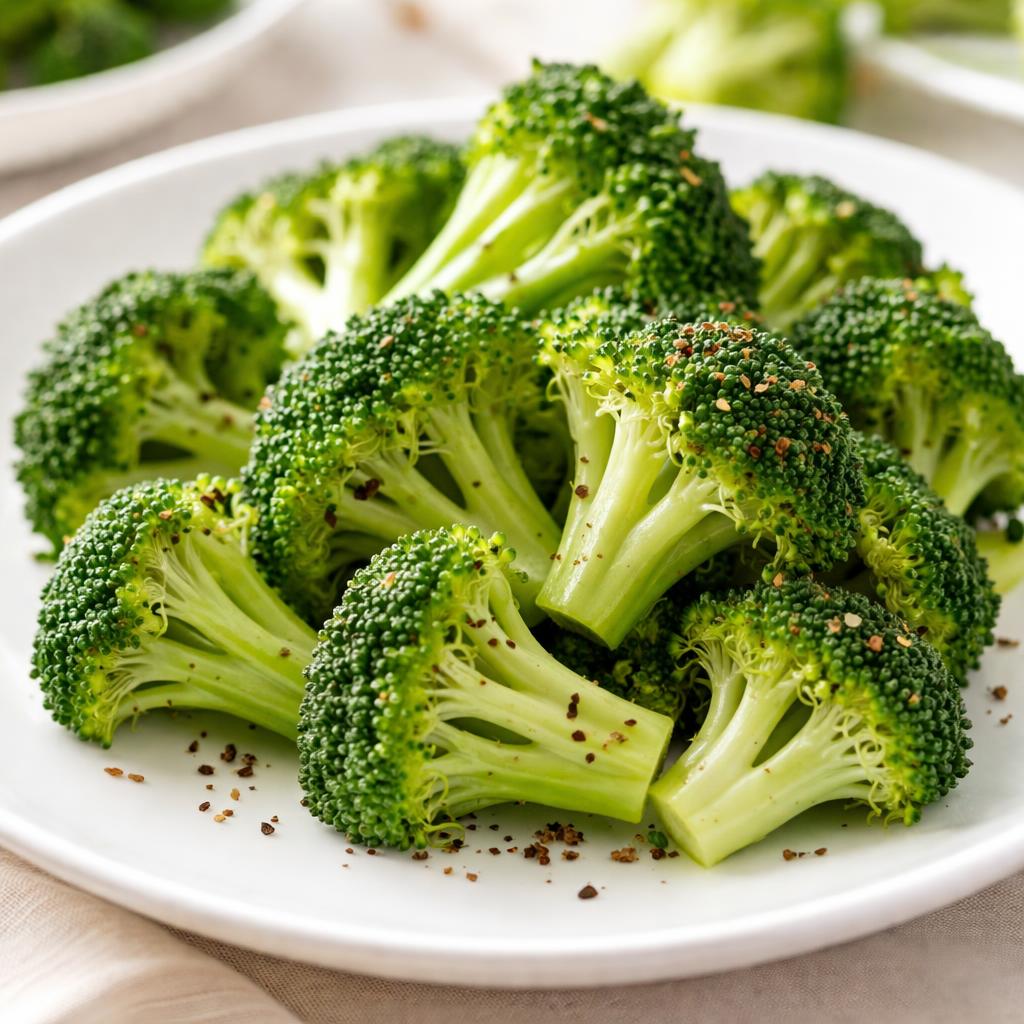
Broccoli

Crepes
🎯 Quick Verdict
Broccoli is a nutrient-dense, low-calorie vegetable with high fiber and significant vitamin content, making it ideal for health-focused diets. Crepes, on the other hand, are calorie-dense and less nutrient-rich but offer quick energy with higher carbs and moderate protein, suited for active lifestyles or indulgent meals.

Smart Nutrition Tracking with SnapCalorie

📊 Nutritional Comparison
Macronutrients
| Nutrient | Food 1 | Food 2 | Winner |
|---|---|---|---|
| Calories | 55 | 145 | ✓ |
| Protein | 4.3g | 4g | − |
| Carbs | 11.2g | 16g | ✓ |
| Fat | 0.5g | 5g | ✓ |
| Fiber | 3.8g | 0.4g | ✓ |
Vitamins & Minerals
| Nutrient | Food 1 | Food 2 | Winner |
|---|---|---|---|
| Vitamin C | 81mg | 0mg | ✓ |
| Vitamin K | 92mcg | 0mcg | ✓ |
| Calcium | 43mg | 80mg | ✓ |
| Iron | 1mg | 0.5mg | ✓ |
🏆 Category Winners
Protein
Both foods supply similar amounts of protein per serving.
Fiber
Broccoli contains nearly 10x more fiber per serving than crepes.
Calories
Broccoli is significantly lower in calories, making it ideal for weight management.
🥗 Diet Compatibility
Keto
Food 1: Compatible
Food 2: Not Compatible
Broccoli's carbohydrate content is low enough to fit keto guidelines.
Vegan
Food 1: Compatible
Food 2: Not Compatible
Broccoli is naturally plant-based, while crepes often contain eggs and dairy.
Gluten Free
Food 1: Compatible
Food 2: Not Compatible
Broccoli is naturally gluten-free, whereas crepes typically contain wheat flour unless made gluten-free.
Paleo
Food 1: Compatible
Food 2: Not Compatible
Broccoli adheres to paleo standards, but crepes do not due to flour and dairy.
Low-Carb
Food 1: Compatible
Food 2: Not Compatible
Broccoli is low in carbs, while crepes contain more carbs per serving.
💪 Health Benefits Comparison
Food 1 Benefits
- Low in calories, aiding weight management
- Rich in vitamin C, promoting immune health
- High fiber content supports digestion
- Contains antioxidants that combat inflammation
Food 2 Benefits
- Provides quick energy due to high carb content
- Good source of calcium for bone health
- Easily customizable to include nutrient-rich fillings
- Moderate protein content supports muscle repair
✅ The Bottom Line
Broccoli is the better choice for nutrient density, weight management, and overall health benefits and pairs well with most diets. Crepes, while less nutrient-dense, are ideal for quick energy or as a treat and can be enriched with healthier fillings for balanced nutrition.
Choose Food 1 for: Weight management, nutrient-dense meals, high-fiber diets
Choose Food 2 for: Active lifestyles, energy boosts, indulgent meals


