Broccoli VS Couscous Salad
A detailed nutritional comparison
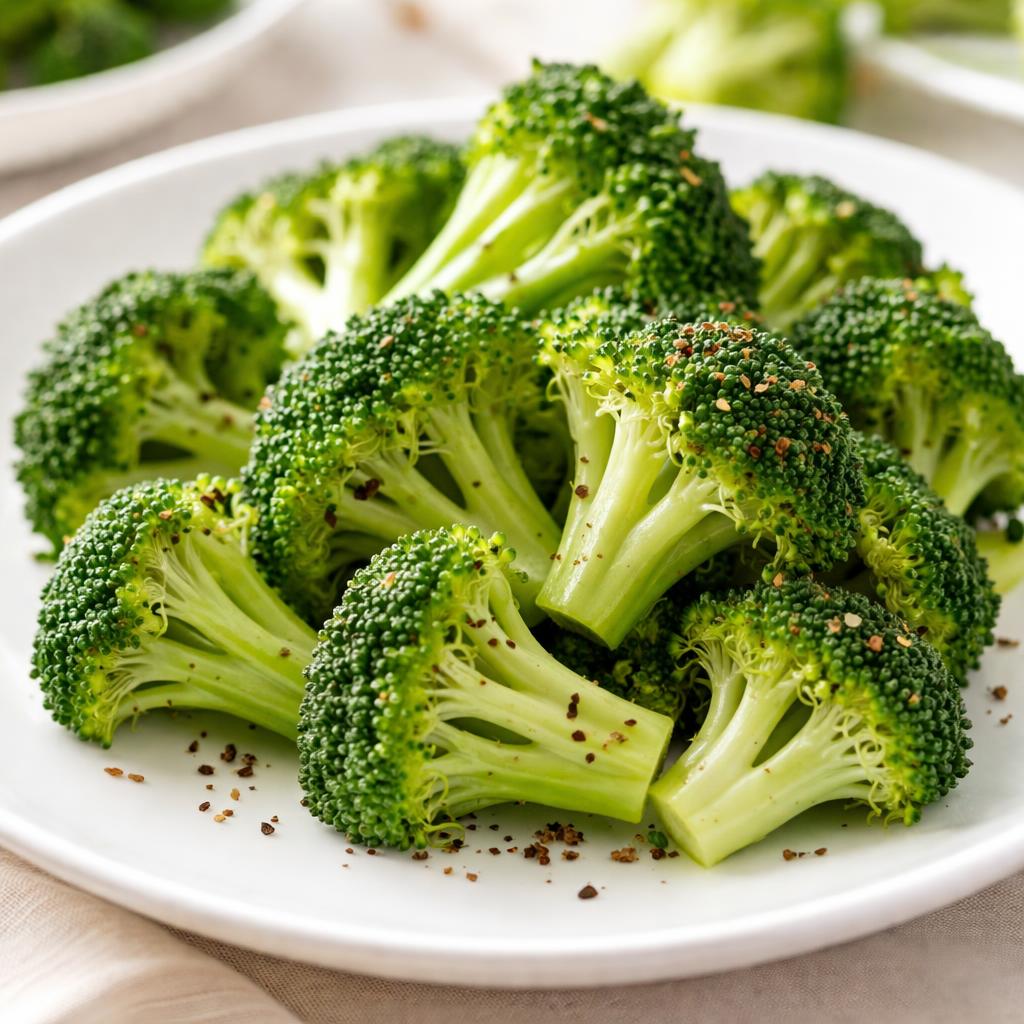
Broccoli
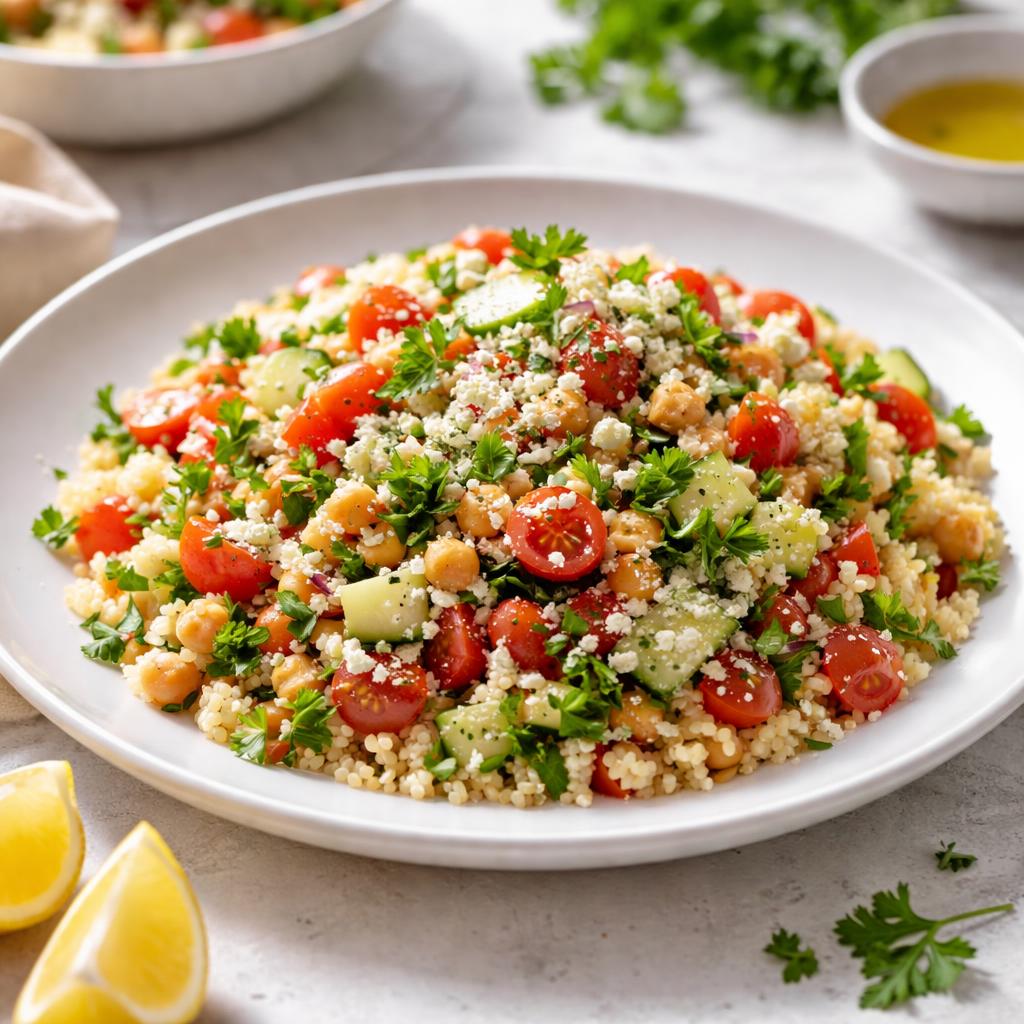
Couscous Salad
🎯 Quick Verdict
Broccoli is lower in calories, higher in fiber, and packed with vitamins, making it ideal for weight management and nutrient advantages. Couscous salad provides more protein and carbohydrates, making it better for sustained energy and muscle recovery after workouts. Both are versatile and fit into vegan and gluten-free diets depending on preparation specifics.

Smart Nutrition Tracking with SnapCalorie

📊 Nutritional Comparison
Macronutrients
| Nutrient | Food 1 | Food 2 | Winner |
|---|---|---|---|
| Calories | 55 per cup (raw) | 150 per cup (prepared) | ✓ |
| Protein | 2.6g per cup | 5g per cup | ✓ |
| Carbs | 11g per cup | 28g per cup | ✓ |
| Fat | 0.3g per cup | 4g per cup | ✓ |
| Fiber | 2.4g per cup | 1.3g per cup | ✓ |
Vitamins & Minerals
| Nutrient | Food 1 | Food 2 | Winner |
|---|---|---|---|
| Vitamin C | 89mg per cup | 5mg per cup | ✓ |
| Calcium | 43mg per cup | 10mg per cup | ✓ |
| Iron | 1mg per cup | 1.2mg per cup | ✓ |
| Vitamin A | 567IU per cup | 100IU per cup | ✓ |
🏆 Category Winners
Protein
Couscous salad has nearly double the protein content per serving compared to broccoli.
Fiber
Broccoli provides almost twice the dietary fiber per cup.
Calories
Broccoli has 65% fewer calories per cup than couscous salad.
Vitamins
Broccoli is significantly richer in Vitamin C, Vitamin A, and Calcium compared to couscous salad.
🥗 Diet Compatibility
Keto
Food 1: Compatible
Food 2: Not Compatible
Broccoli is low-carb, whereas couscous salad is higher in carbohydrates.
Vegan
Food 1: Compatible
Food 2: Compatible
Both foods are typically plant-based, assuming no non-vegan additions in the salad.
Gluten Free
Food 1: Compatible
Food 2: Depends
Broccoli is naturally gluten-free. Couscous salad requires using gluten-free couscous to meet this standard.
Paleo
Food 1: Compatible
Food 2: Not Compatible
Broccoli fits paleo guidelines. Couscous is excluded due to being grain-based.
Low-Carb
Food 1: Compatible
Food 2: Not Compatible
Broccoli is low in carbs (11g per cup), whereas couscous salad has higher carb content (28g per cup).
💪 Health Benefits Comparison
Food 1 Benefits
- Rich in antioxidants like Vitamin C to support immunity.
- High in fiber for supporting digestion and gut health.
- Contains Vitamin A for maintaining eye and skin health.
- Low in calories, making it great for weight management.
Food 2 Benefits
- Provides moderate protein content for muscle recovery.
- Good source of energy due to higher carbohydrate composition.
- Contains iron for red blood cell production and energy levels.
- Can be enhanced with nutrient-dense additions like vegetables and healthy fats.
✅ The Bottom Line
Choose broccoli for low-calorie, high-fiber meals packed with vitamins, making it ideal for nutrient-dense side dishes or weight loss diets. Opt for couscous salad if you're looking for more protein or sustained energy, particularly in vegan-friendly meal plans. Both can be incorporated into a balanced lifestyle depending on dietary goals and preferences.
Choose Food 1 for: Weight management, vitamin boosts, low-carb diets, paleo-friendly recipes
Choose Food 2 for: Post-workout meals, sustained energy, nutrient-dense vegan meal options


