Broccoli VS Breaded Chicken
A detailed nutritional comparison
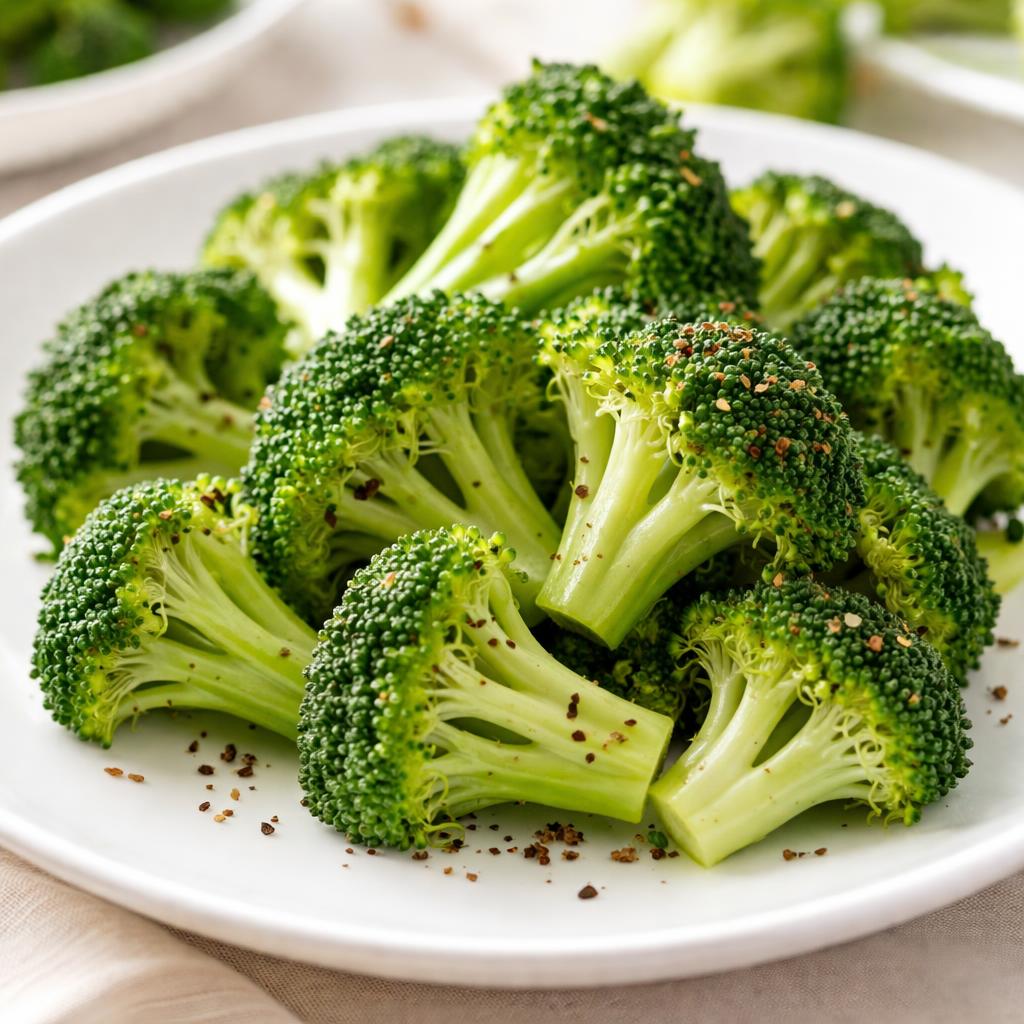
Broccoli
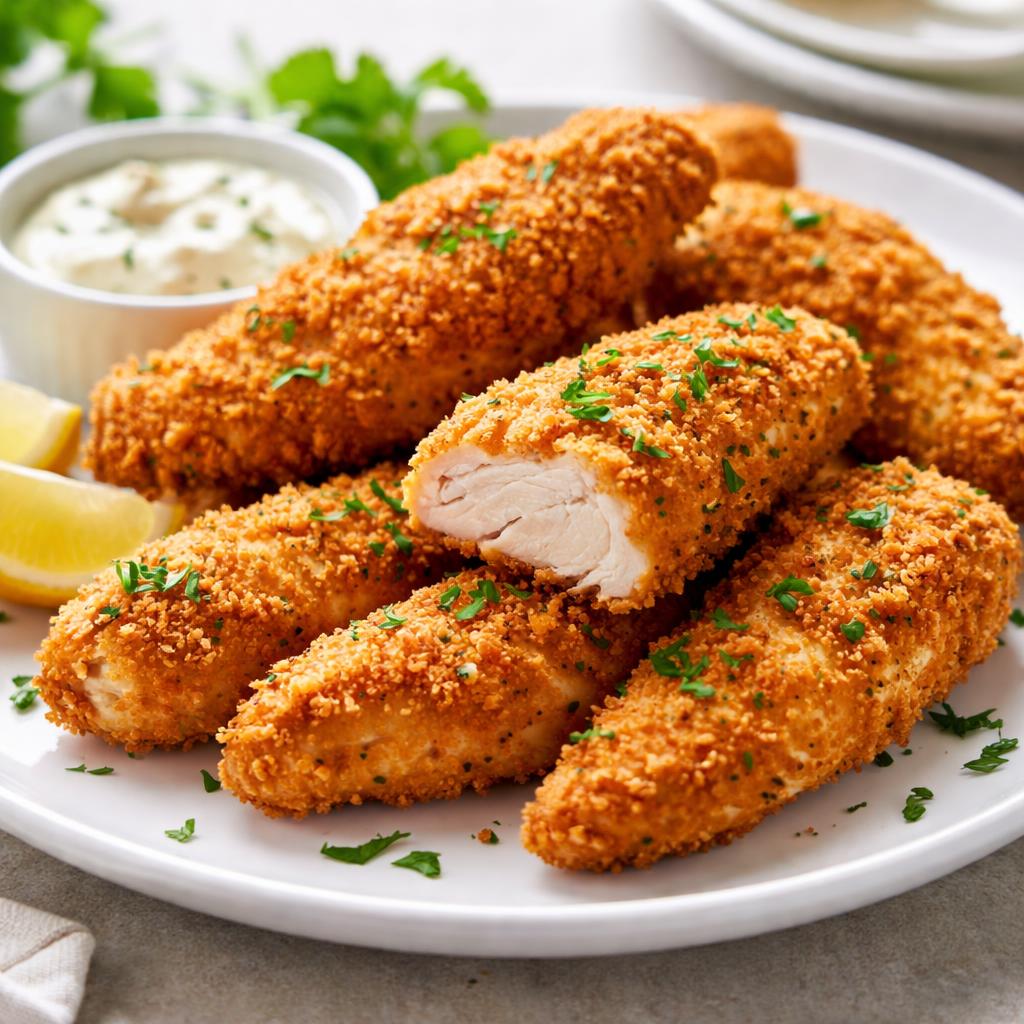
Breaded Chicken
🎯 Quick Verdict
Broccoli is a low-calorie, high-fiber vegetable packed with vitamins, making it ideal for weight management and overall health. Breaded chicken, while higher in protein, contains more calories and fat due to the breading, making it better suited for energy-rich meals or post-workout recovery. Both serve different dietary purposes and can complement each other in a balanced diet.

Smart Nutrition Tracking with SnapCalorie

📊 Nutritional Comparison
Macronutrients
| Nutrient | Food 1 | Food 2 | Winner |
|---|---|---|---|
| Calories | 55 (per 100g) | 230 (per 100g) | ✓ |
| Protein | 3.7g | 16g | ✓ |
| Carbs | 11.2g | 15g | ✓ |
| Fat | 0.6g | 12g | ✓ |
| Fiber | 2.6g | 0.5g | ✓ |
Vitamins & Minerals
| Nutrient | Food 1 | Food 2 | Winner |
|---|---|---|---|
| Vitamin C | 89.2mg | 0mg | ✓ |
| Vitamin A | 623IU | 5IU | ✓ |
| Iron | 0.7mg | 0.6mg | ✓ |
| Calcium | 47mg | 13mg | ✓ |
🏆 Category Winners
Protein
Breaded chicken has roughly 4.3 times more protein per serving compared to broccoli.
Fiber
Broccoli provides over 5 times the fiber content of breaded chicken.
Calories
Broccoli is significantly lower in calories, ideal for weight management.
Vitamins
Broccoli is rich in essential vitamins, particularly vitamin C and A, while breaded chicken is minimal in these nutrients.
🥗 Diet Compatibility
Keto
Food 1: Not Compatible
Food 2: Compatible
Broccoli is relatively high in carbs (11.2g per serving), while breaded chicken is higher in protein and fat.
Vegan
Food 1: Compatible
Food 2: Not Compatible
Broccoli is plant-based, whereas breaded chicken is animal-derived.
Gluten Free
Food 1: Compatible
Food 2: Not Compatible
Broccoli is naturally gluten-free, but breaded chicken often contains gluten from breading.
Paleo
Food 1: Compatible
Food 2: Not Compatible
Broccoli fits in a paleo diet, but breaded chicken typically involves processed breading, which is not paleo-compliant.
Low-Carb
Food 1: Compatible
Food 2: Compatible
Both foods are relatively low-carb options.
💪 Health Benefits Comparison
Food 1 Benefits
- High in fiber for digestive health
- Rich in antioxidants for reducing inflammation
- Excellent source of vitamin C to boost immune function
- Low in calories, making it great for weight loss
Food 2 Benefits
- Rich in protein for muscle building and repair
- Provides healthy fats that promote satiety
- Source of energy due to its calorie density
- Post-workout recovery food when paired with nutritious sides
✅ The Bottom Line
Broccoli is an excellent choice for low-calorie, nutrient-dense meals and is ideal for weight loss and overall health. Breaded chicken offers significantly more protein and fat, making it better suited for those seeking energy and muscle-building support. Including both foods in a balanced diet could help meet nutritional needs depending on individual goals.
Choose Food 1 for: Weight management, vegan/plant-based diets, fiber and vitamins boost
Choose Food 2 for: Protein-rich diets, post-workout, energy-dense meals


