Broccoli VS Bok Choy
A detailed nutritional comparison
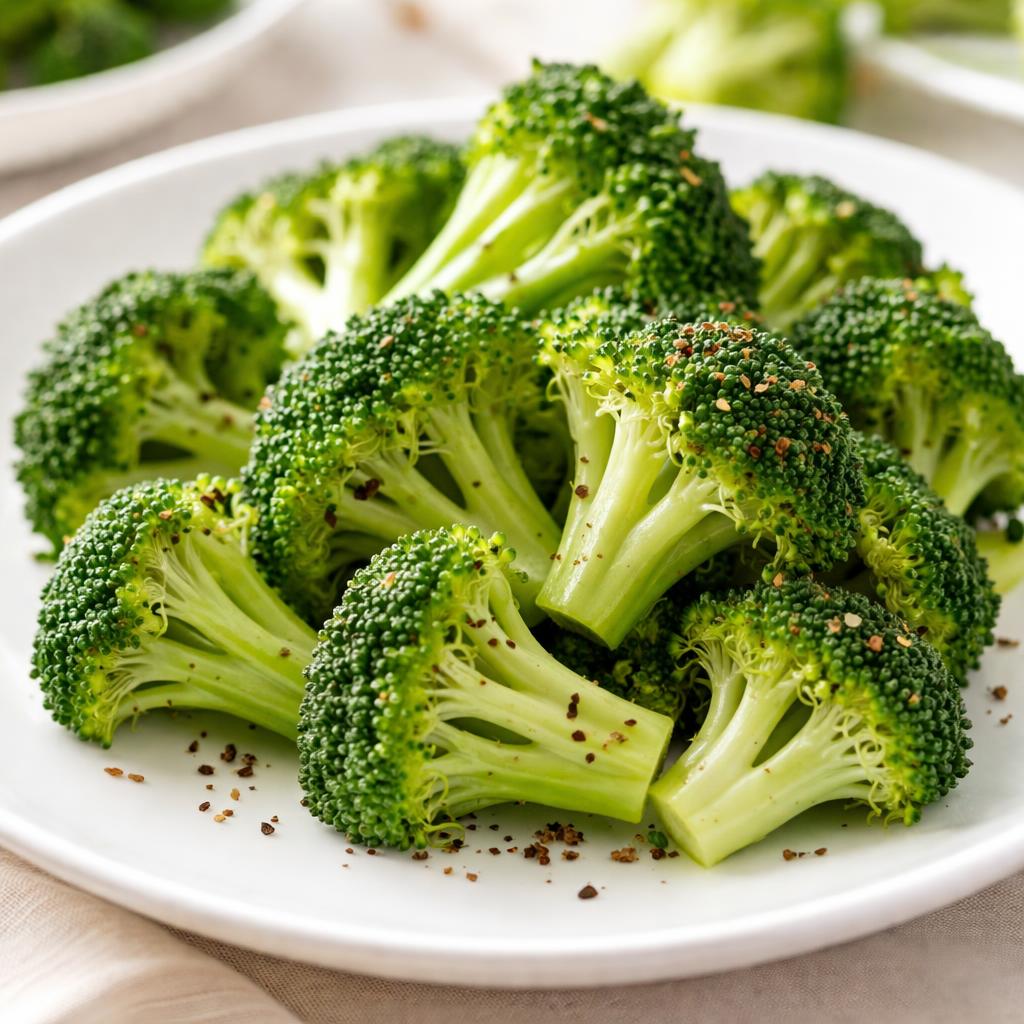
Broccoli
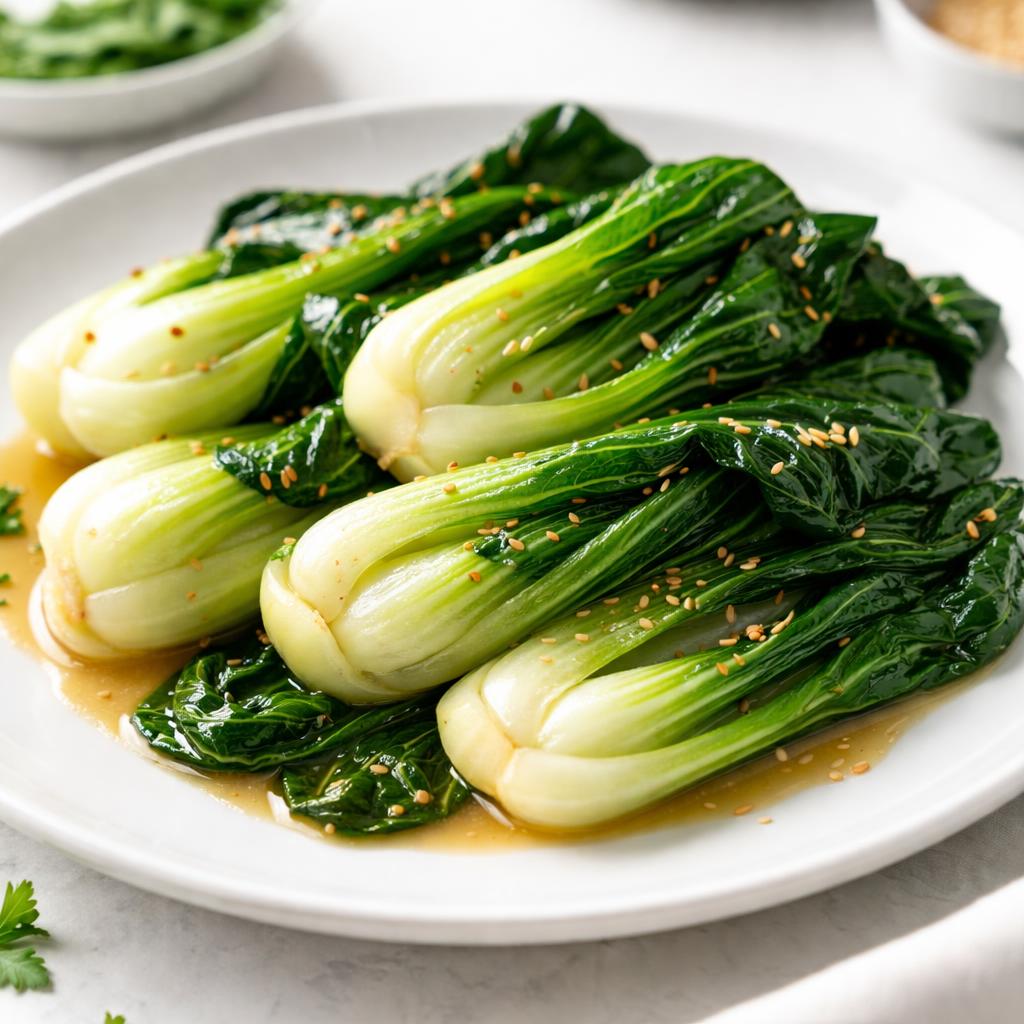
Bok Choy
🎯 Quick Verdict
Broccoli slightly surpasses bok choy in protein and fiber content, making it better suited for high-fiber, high-protein diets. Bok choy shines as a lower-calorie option rich in vitamins, particularly Vitamin A and Vitamin C. Both vegetables are excellent for nutrient density and overall health, with unique strengths depending on dietary needs.

Smart Nutrition Tracking with SnapCalorie

📊 Nutritional Comparison
Macronutrients
| Nutrient | Food 1 | Food 2 | Winner |
|---|---|---|---|
| Calories | 31 | 20 | − |
| Protein | 2.5g | 1.5g | ✓ |
| Carbs | 6g | 3g | ✓ |
| Fat | 0.3g | 0.2g | ✓ |
| Fiber | 2.4g | 1.0g | ✓ |
Vitamins & Minerals
| Nutrient | Food 1 | Food 2 | Winner |
|---|---|---|---|
| Vitamin A | 567IU | 4468IU | ✓ |
| Vitamin C | 89.2mg | 45mg | ✓ |
| Calcium | 47mg | 105mg | ✓ |
| Iron | 0.7mg | 0.8mg | ✓ |
| Potassium | 316mg | 252mg | ✓ |
🏆 Category Winners
Protein
Broccoli contains 67% more protein.
Fiber
Broccoli has over twice the fiber content of bok choy.
Calories
Both broccoli and bok choy are low-calorie options with only a minor difference.
Vitamins
Bok choy leads in Vitamin A and Calcium, but broccoli excels in Vitamin C.
🥗 Diet Compatibility
Keto
Food 1: Compatible
Food 2: Compatible
Both are low-carb vegetables suitable for a ketogenic diet.
Vegan
Food 1: Compatible
Food 2: Compatible
Both are plant-based vegetables perfect for vegan diets.
Gluten Free
Food 1: Compatible
Food 2: Compatible
Neither contain gluten.
Paleo
Food 1: Compatible
Food 2: Compatible
Both are paleo-friendly as nutrient-rich vegetables.
Low-Carb
Food 1: Compatible
Food 2: Compatible
Both have very low carbohydrate content per serving.
💪 Health Benefits Comparison
Food 1 Benefits
- Rich in fiber for improved digestion and satiety
- High Vitamin C content to support immune health
- Contains antioxidants such as sulforaphane to fight inflammation
- Supports bone health with moderate calcium and potassium levels
Food 2 Benefits
- High Vitamin A content for eye health and immune support
- Low-calorie and rich in calcium to support bone strength
- Moderate Vitamin C levels for immune boosting
- Contains antioxidants that may reduce inflammation
✅ The Bottom Line
Choose broccoli if you're focused on fiber and protein intake for weight management or digestion. Opt for bok choy for a highly vitamin-rich, low-calorie vegetable with excellent contributions to eye and bone health. Both are versatile additions to a healthy diet, depending on your goals.
Choose Food 1 for: Weight loss, digestion, immune health, general fitness
Choose Food 2 for: Eye health, low-calorie diets, bone health, nutrient density


