Broccoli VS Bell Peppers
A detailed nutritional comparison
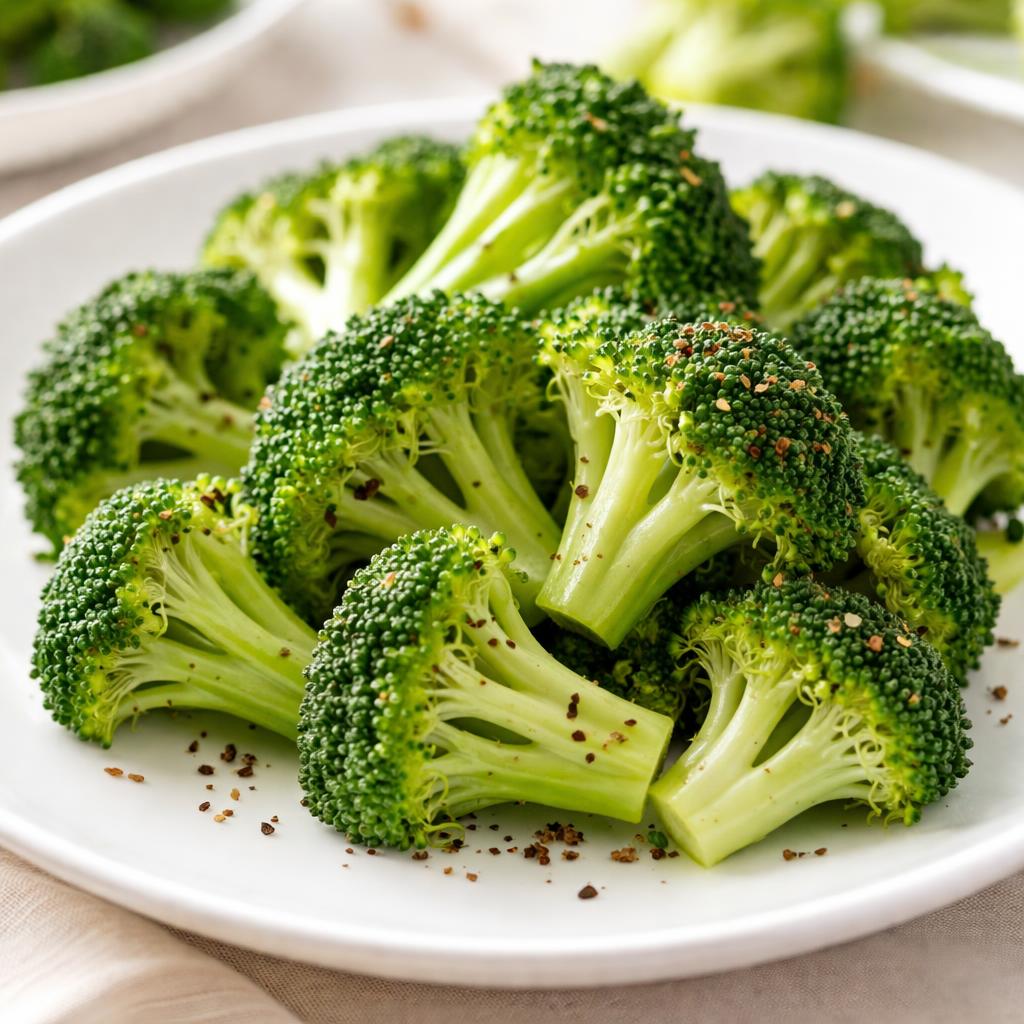
Broccoli
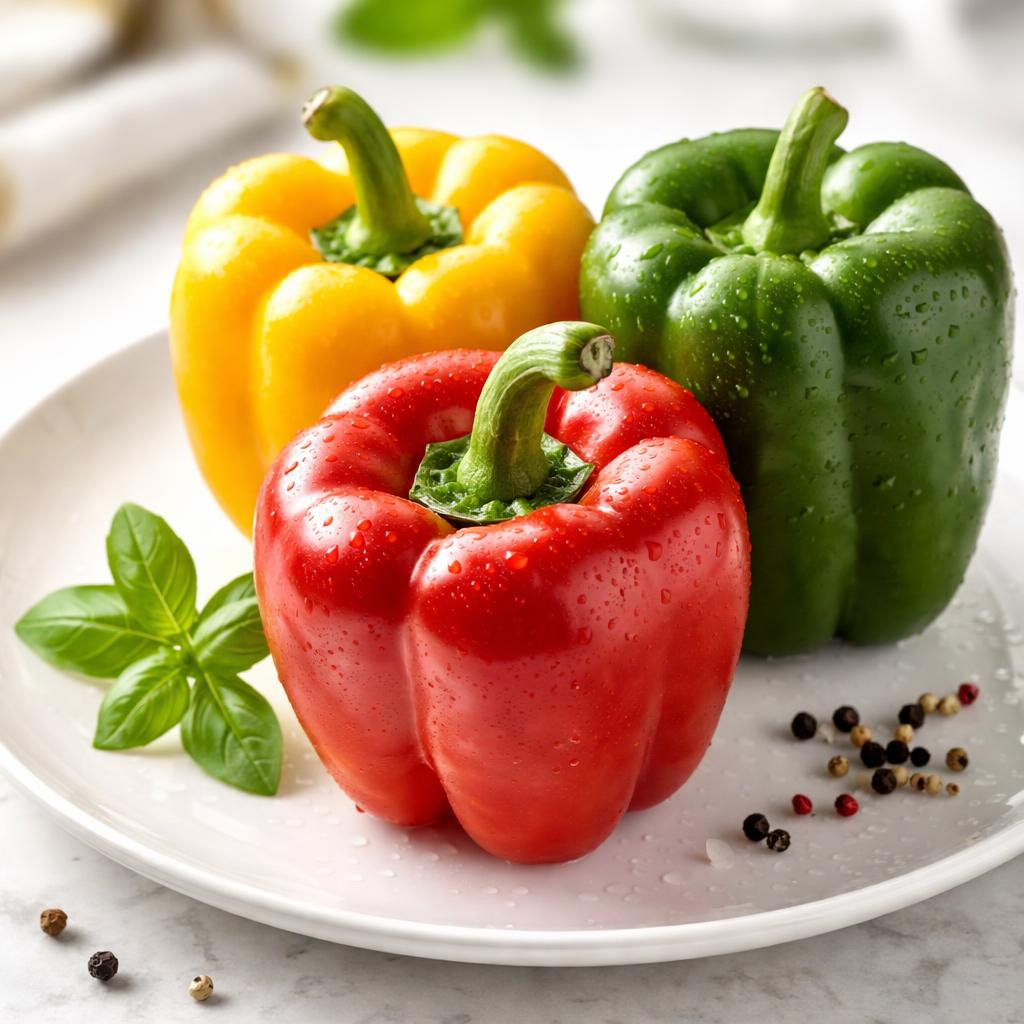
Bell Peppers
🎯 Quick Verdict
Broccoli and bell peppers are nutrient-dense vegetables offering unique health benefits. Broccoli excels in protein and fiber content, making it ideal for digestion and muscle support, while bell peppers shine in vitamin C and overall antioxidant levels, perfect for immune-boosting. Both are low-calorie options suitable for various diets.

Smart Nutrition Tracking with SnapCalorie

📊 Nutritional Comparison
Macronutrients
| Nutrient | Food 1 | Food 2 | Winner |
|---|---|---|---|
| Calories | 55 per cup (91g) | 45 per cup (92g) | − |
| Protein | 4.3g | 1g | − |
| Carbs | 11g | 9g | − |
| Fat | 0.6g | 0.5g | − |
| Fiber | 2.4g | 1.5g | − |
Vitamins & Minerals
| Nutrient | Food 1 | Food 2 | Winner |
|---|---|---|---|
| Vitamin C | 81mg | 152mg | − |
| Vitamin A | 567IU | 3726IU | − |
| Vitamin K | 92mcg | 7mcg | − |
| Folate | 57mcg | 23mcg | − |
| Potassium | 457mg | 251mg | − |
🏆 Category Winners
Protein
Broccoli contains over 4x more protein than bell peppers per serving.
Fiber
Broccoli offers 60% more fiber per cup.
Calories
Both are extremely low-calorie options, under 60 calories per serving.
Vitamins
Bell peppers are significantly higher in vitamin C and vitamin A.
🥗 Diet Compatibility
Keto
Food 1: Compatible
Food 2: Compatible
Both are low in carbs and suitable for keto diets.
Vegan
Food 1: Compatible
Food 2: Compatible
Both are plant-based and ideal for vegan diets.
Gluten Free
Food 1: Compatible
Food 2: Compatible
Neither contains gluten, suitable for gluten-free diets.
Paleo
Food 1: Compatible
Food 2: Compatible
Whole vegetables fit perfectly in paleo diets.
Low-Carb
Food 1: Compatible
Food 2: Compatible
Both are low-carb, with less than 12g of carbs per serving.
💪 Health Benefits Comparison
Food 1 Benefits
- Rich in fiber for improved digestion and gut health
- High protein content for muscle repair and maintenance
- Excellent source of vitamin K for bone health
Food 2 Benefits
- Packed with vitamin C for immune system support
- Rich in vitamin A for eye and skin health
- Loaded with antioxidants to reduce inflammation
✅ The Bottom Line
Both broccoli and bell peppers are nutrient-packed and versatile vegetables. Choose broccoli for higher protein and fiber needs, especially in digestion-focused and muscle-building diets. Opt for bell peppers for their superior vitamin C and antioxidants, making them excellent for boosting immunity and overall nutrient intake.
Choose Food 1 for: High-protein needs, gut health, bone support
Choose Food 2 for: Immunity, anti-inflammatory diets, vitamin-focused intake


