Broccoli VS Balsamic Vinegar
A detailed nutritional comparison
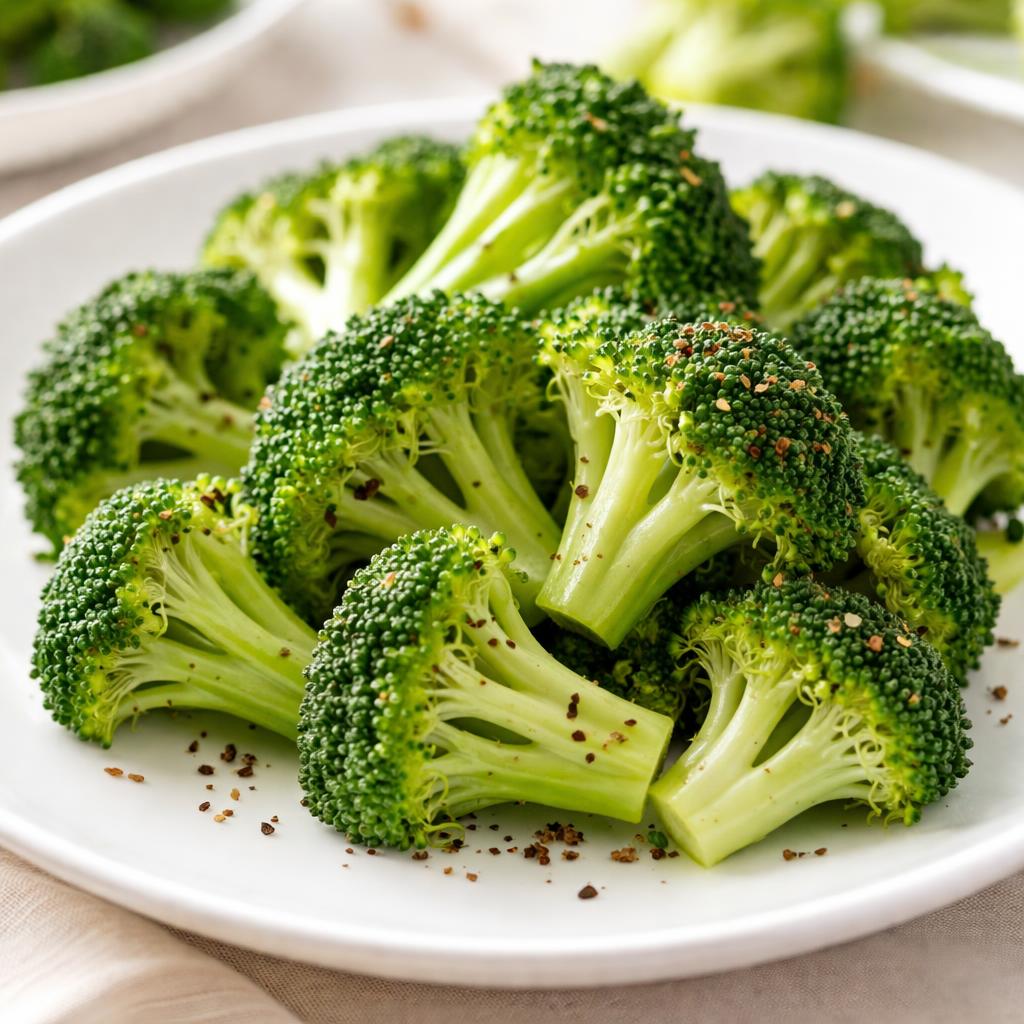
Broccoli
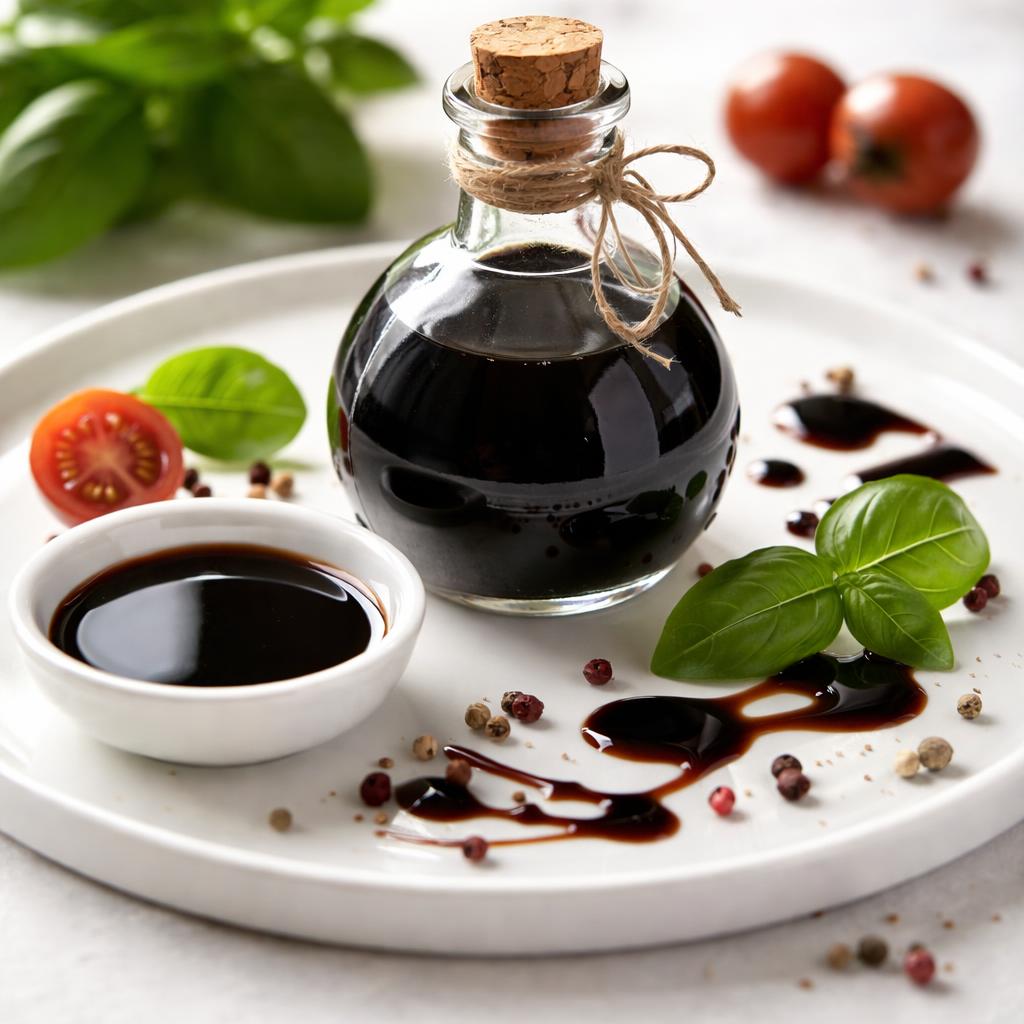
Balsamic Vinegar
🎯 Quick Verdict
Broccoli is a nutrient-dense vegetable offering significantly more protein, fiber, and essential vitamins, making it a better choice for overall health and weight management. Balsamic vinegar is low-calorie but primarily adds flavor and antioxidants, serving well as a condiment rather than a primary nutrient source.

Smart Nutrition Tracking with SnapCalorie

📊 Nutritional Comparison
Macronutrients
| Nutrient | Food 1 | Food 2 | Winner |
|---|---|---|---|
| Calories | 55 | 14 | ✓ |
| Protein | 3.7g | 0g | ✓ |
| Carbs | 11.2g | 2.7g | ✓ |
| Fat | 0.3g | 0g | − |
| Fiber | 2.6g | 0g | ✓ |
Vitamins & Minerals
| Nutrient | Food 1 | Food 2 | Winner |
|---|---|---|---|
| Vitamin C | 89.2mg | 0mg | ✓ |
| Vitamin K | 101.6mcg | 0mcg | ✓ |
| Calcium | 47mg | 6mg | ✓ |
| Iron | 0.7mg | 0.2mg | ✓ |
🏆 Category Winners
Protein
Broccoli contains 3.7g of protein per serving, while balsamic vinegar has none.
Fiber
Broccoli supplies 2.6g of fiber per serving, compared to 0g in balsamic vinegar.
Calories
Balsamic vinegar has fewer calories, providing only 14 calories per serving versus 55 calories in broccoli.
🥗 Diet Compatibility
Keto
Food 1: Compatible
Food 2: Compatible
Both foods are low in net carbs.
Vegan
Food 1: Compatible
Food 2: Compatible
Both foods are plant-based and suitable for vegans.
Gluten Free
Food 1: Compatible
Food 2: Compatible
Neither food contains gluten.
Paleo
Food 1: Compatible
Food 2: Compatible
Broccoli and organic balsamic vinegar align with paleo guidelines.
Low-Carb
Food 1: Compatible
Food 2: Compatible
Both foods are low-carb, with broccoli being higher due to its fiber content.
💪 Health Benefits Comparison
Food 1 Benefits
- Rich in vitamin C to support immune health
- High in fiber for better digestion
- Provides antioxidants that reduce inflammation
- Contains protein for muscle maintenance
Food 2 Benefits
- Offers antioxidants to help prevent cell damage
- Low in calories and ideal for flavor enhancement in diets
- Can improve heart health by supporting cholesterol regulation
- May aid digestion due to acetic acid content
✅ The Bottom Line
Broccoli is a well-rounded, highly nutritious choice suitable for main dishes, meal prep, or as a health-focused side. Balsamic vinegar is best used as a flavorful addition to salads, vegetables, or marinades, especially when managing calories. For overall nutrition, broccoli is the clear winner, while balsamic vinegar is perfect for enhancing dishes without adding significant caloric load.
Choose Food 1 for: Weight management, immune support, digestion, muscle maintenance
Choose Food 2 for: Low-calorie diets, flavor enhancement, heart health


