Broccoli VS Artichoke Hearts
A detailed nutritional comparison
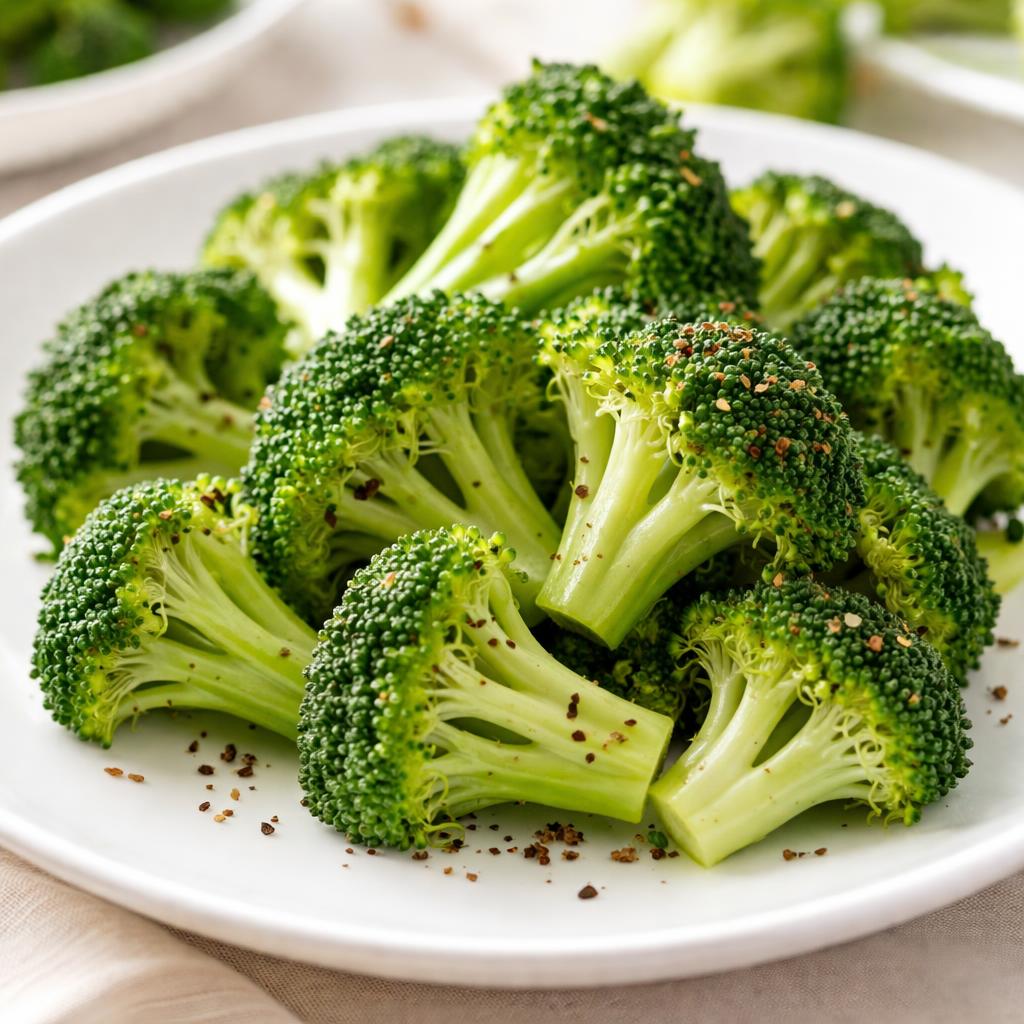
Broccoli
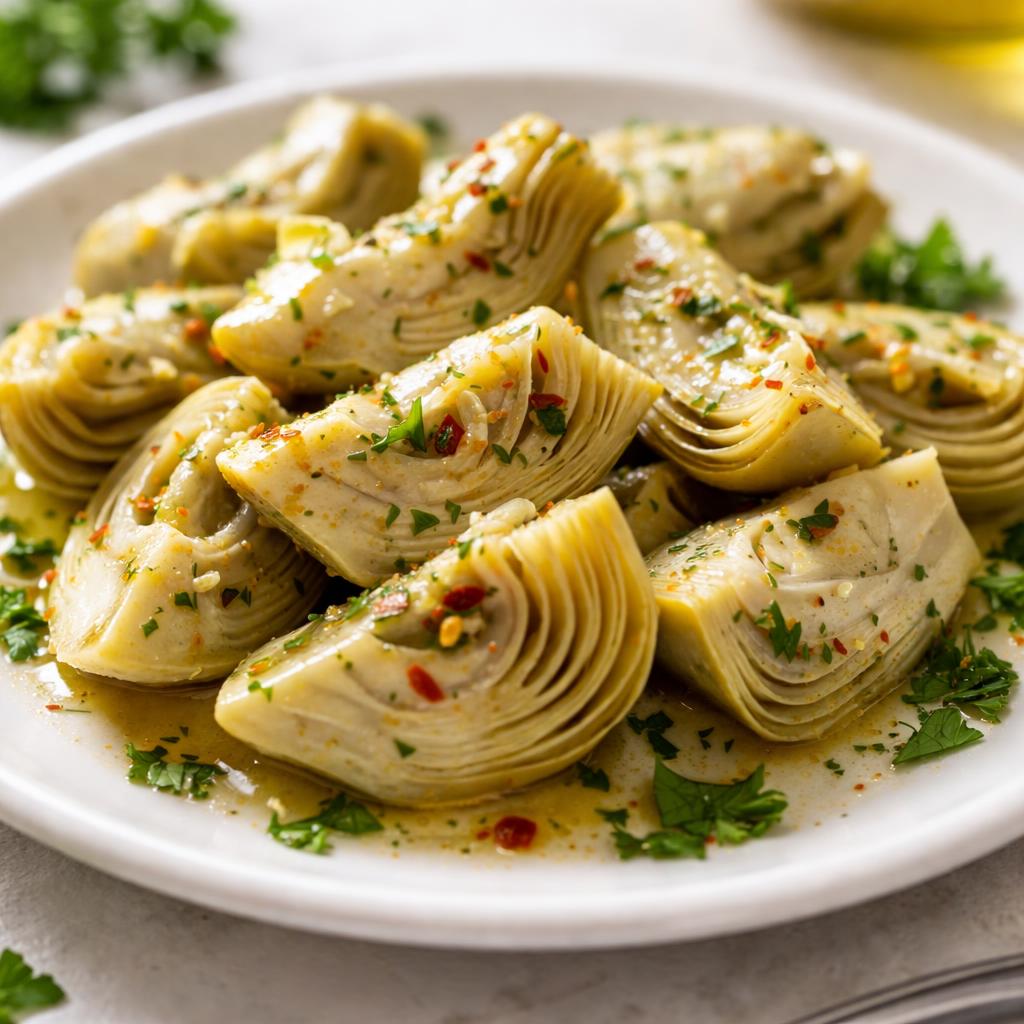
Artichoke Hearts
🎯 Quick Verdict
Broccoli is a low-calorie, nutrient-dense vegetable that excels in protein and vitamin C content, making it an excellent choice for weight management and immune health. Artichoke hearts shine in fiber content and provide more potassium, making them ideal for digestive health and heart support. Both are versatile and compatible with most diets but cater to different health goals.

Smart Nutrition Tracking with SnapCalorie

📊 Nutritional Comparison
Macronutrients
| Nutrient | Food 1 | Food 2 | Winner |
|---|---|---|---|
| Calories | 55 kcal per 100g | 47 kcal per 100g | − |
| Protein | 4.0g per 100g | 3.3g per 100g | − |
| Carbs | 11.2g per 100g | 10.5g per 100g | − |
| Fat | 0.6g per 100g | 0.3g per 100g | − |
| Fiber | 3.7g per 100g | 5.4g per 100g | − |
Vitamins & Minerals
| Nutrient | Food 1 | Food 2 | Winner |
|---|---|---|---|
| Vitamin C | 89.2mg per 100g | 11.7mg per 100g | − |
| Potassium | 316mg per 100g | 300mg per 100g | − |
| Iron | 0.73mg per 100g | 1.28mg per 100g | − |
| Folate | 63mcg per 100g | 107mcg per 100g | − |
🏆 Category Winners
Protein
Broccoli contains 21% more protein per serving compared to artichoke hearts.
Fiber
Artichoke hearts have 46% more fiber per serving, supporting digestive health.
Calories
Artichoke hearts contain slightly fewer calories per serving than broccoli.
Vitamins
Both foods excel in different vitamins—broccoli is higher in Vitamin C, while artichoke hearts provide more folate and iron.
🥗 Diet Compatibility
Keto
Food 1: Compatible
Food 2: Compatible
Both are low-carb and work well in keto diets.
Vegan
Food 1: Compatible
Food 2: Compatible
Both are plant-based and completely vegan-friendly.
Gluten Free
Food 1: Compatible
Food 2: Compatible
Neither contains any gluten ingredients.
Paleo
Food 1: Compatible
Food 2: Compatible
Both fit within a paleo diet framework as whole foods.
Low-Carb
Food 1: Compatible
Food 2: Compatible
Both foods have relatively low carb counts, making them suitable for low-carb eating.
💪 Health Benefits Comparison
Food 1 Benefits
- High in Vitamin C for immune system support
- Rich in antioxidants to help fight inflammation
- Provides protein to support muscle maintenance
- Good source of potassium for electrolyte balance
Food 2 Benefits
- Excellent source of fiber for better digestion
- Rich in folate for cell function and health
- Contains iron for efficient oxygen transport in the body
- Provides antioxidants for heart health
✅ The Bottom Line
Broccoli is the better choice for individuals focused on weight loss, immune health, and muscle maintenance due to its lower calorie count and higher protein and Vitamin C content. Artichoke hearts, on the other hand, excel for digestive health and heart support thanks to their higher fiber and mineral content. Both options are nutrient-dense and work well in most diets.
Choose Food 1 for: Weight management, post-workout meals, immune health
Choose Food 2 for: Digestive health, heart support, nutrient enrichment


