Breadsticks VS Rye Crispbread
A detailed nutritional comparison

Breadsticks
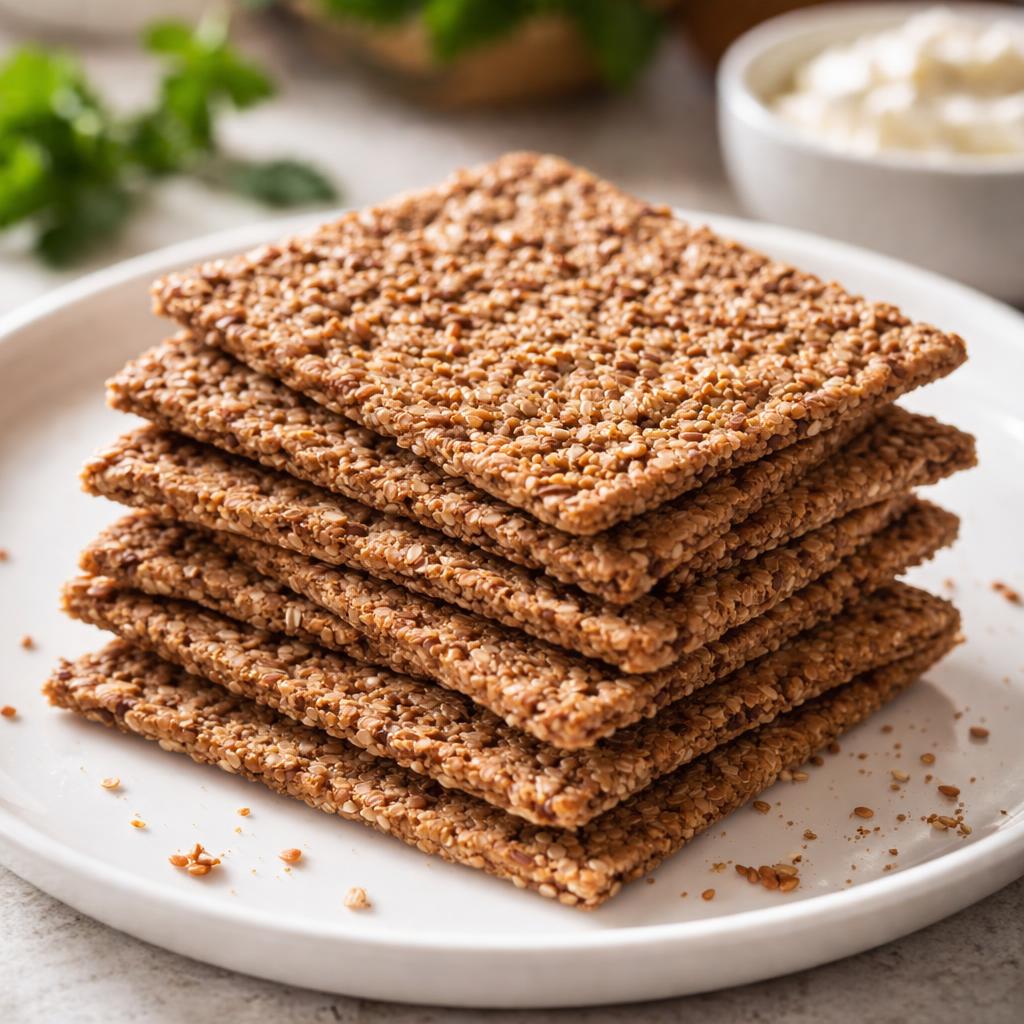
Rye Crispbread
🎯 Quick Verdict
While breadsticks tend to be lower in calories, rye crispbread shines in nutritional density, offering more protein and dietary fiber per serving. Rye crispbread is a better choice for weight management and digestive health, whereas breadsticks may work as a lighter, more indulgent option for snacks or appetizers.

Smart Nutrition Tracking with SnapCalorie

📊 Nutritional Comparison
Macronutrients
| Nutrient | Food 1 | Food 2 | Winner |
|---|---|---|---|
| Calories | 120 per 30g (about 4 pieces) | 90 per 30g (about 2-3 slices) | − |
| Protein | 3g per serving | 4g per serving | − |
| Carbs | 22g per serving | 16g per serving | − |
| Fat | 3g per serving | 1g per serving | − |
| Fiber | 1g per serving | 4g per serving | − |
Vitamins & Minerals
| Nutrient | Food 1 | Food 2 | Winner |
|---|---|---|---|
| Vitamin B6 | 0.02mg | 0.1mg | − |
| Magnesium | 7mg | 35mg | − |
| Iron | 0.5mg | 1.5mg | − |
🏆 Category Winners
Protein
Rye crispbread has 33% more protein per serving than breadsticks.
Fiber
Rye crispbread provides 4g of fiber per serving, four times more than breadsticks.
Calories
Breadsticks are slightly lower in calories per serving.
🥗 Diet Compatibility
Keto
Food 1: Not Compatible
Food 2: Not Compatible
Both are high-carb and not suitable for keto.
Vegan
Food 1: Compatible
Food 2: Compatible
Both are vegan-friendly and do not contain animal-based ingredients.
Gluten Free
Food 1: Not Compatible
Food 2: Not Compatible
Both contain gluten.
Paleo
Food 1: Not Compatible
Food 2: Not Compatible
Both are made with grains, which are not allowed on paleo diets.
Low Carb
Food 1: Not Compatible
Food 2: Not Compatible
Both are relatively high in carbohydrates per serving.
💪 Health Benefits Comparison
Food 1 Benefits
Food 2 Benefits
✅ The Bottom Line
Rye crispbread is nutritionally superior due to higher protein, fiber, and micronutrients, making it ideal for weight management and better digestion. Breadsticks are preferable for lighter snacking or pairing with dips and spreads when calorie considerations are paramount.
Choose Food 1 for: Snack time, appetizers, lighter energy boosts
Choose Food 2 for: Weight management, digestive health, nutrient density


