Breaded Chicken VS Rice With Meat
A detailed nutritional comparison

Breaded Chicken
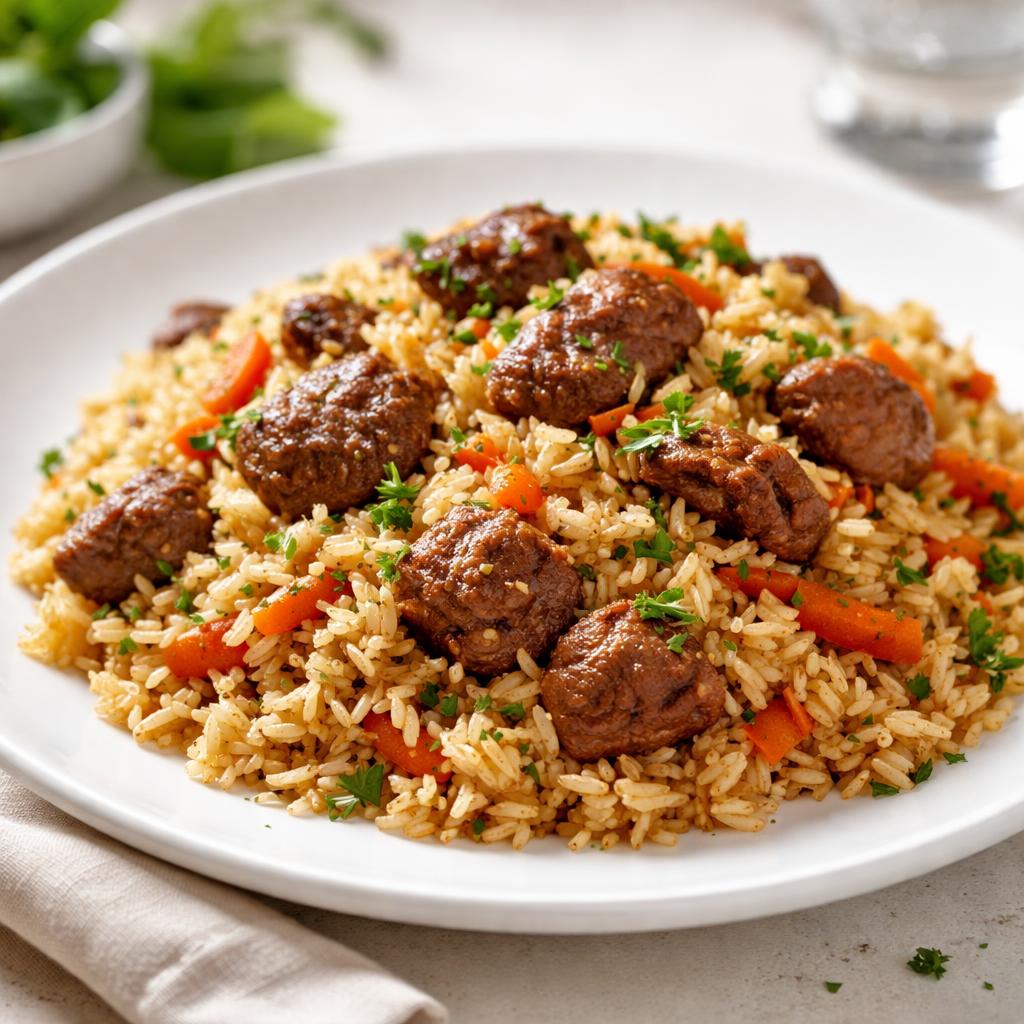
Rice With Meat
🎯 Quick Verdict
Breaded chicken is higher in protein and suitable for muscle building, while rice with meat provides more fiber and fewer calories, making it ideal for a balanced diet. Breaded chicken is slightly higher in fats due to the breading. Both foods offer distinct strengths depending on dietary goals and preferences.

Smart Nutrition Tracking with SnapCalorie

📊 Nutritional Comparison
Macronutrients
| Nutrient | Food 1 | Food 2 | Winner |
|---|---|---|---|
| Calories | 250 | 220 | ✓ |
| Protein | 20g | 15g | ✓ |
| Carbs | 18g | 26g | ✓ |
| Fat | 10g | 8g | ✓ |
| Fiber | 1g | 3g | ✓ |
Vitamins & Minerals
| Nutrient | Food 1 | Food 2 | Winner |
|---|---|---|---|
| Vitamin D | 0mcg | 1mcg | ✓ |
| Calcium | 15mg | 20mg | ✓ |
| Iron | 1mg | 3mg | ✓ |
🏆 Category Winners
Protein
Breaded chicken has 33% more protein per serving compared to rice with meat.
Fiber
Rice with meat provides three times more fiber than breaded chicken.
Calories
Rice with meat contains 12% fewer calories per serving.
Vitamins
Rice with meat offers higher levels of vitamin D, calcium, and iron for nutrient density.
🥗 Diet Compatibility
Keto
Food 1: Not Compatible
Food 2: Not Compatible
Both foods are moderate-to-high in carbs.
Vegan
Food 1: Not Compatible
Food 2: Not Compatible
Both contain animal products (chicken and meat).
Gluten Free
Food 1: Not Compatible
Food 2: Compatible
Breaded chicken typically contains gluten due to breading, but rice with meat is gluten-free.
Paleo
Food 1: Not Compatible
Food 2: Compatible
Rice with meat aligns with Paleo principles, but breaded chicken does not due to processed breading.
Low-Carb
Food 1: Not Compatible
Food 2: Not Compatible
Both foods are carb-heavy per serving.
💪 Health Benefits Comparison
Food 1 Benefits
- Rich in protein for muscle building and maintenance
- Provides essential amino acids for recovery
- Good source of energy from carbs for active individuals
- Contains moderate fats for satiety
Food 2 Benefits
- Higher fiber content to support digestion and gut health
- Balanced macronutrient profile for overall nutrition
- Lower calorie density for weight management
- Rich in iron to support red blood cell formation
✅ The Bottom Line
Breaded chicken excels in protein content, making it ideal for high-protein diets and muscle recovery. Rice with meat is more balanced, providing fiber and fewer calories while still delivering adequate nutrition, ideal for everyday meals or weight management. Choose based on your dietary needs.
Choose Food 1 for: High-protein needs, post-workout recovery, muscle building
Choose Food 2 for: Balanced meals, weight management, fiber-rich diets


