Bread With Spread VS Seafood Pasta
A detailed nutritional comparison
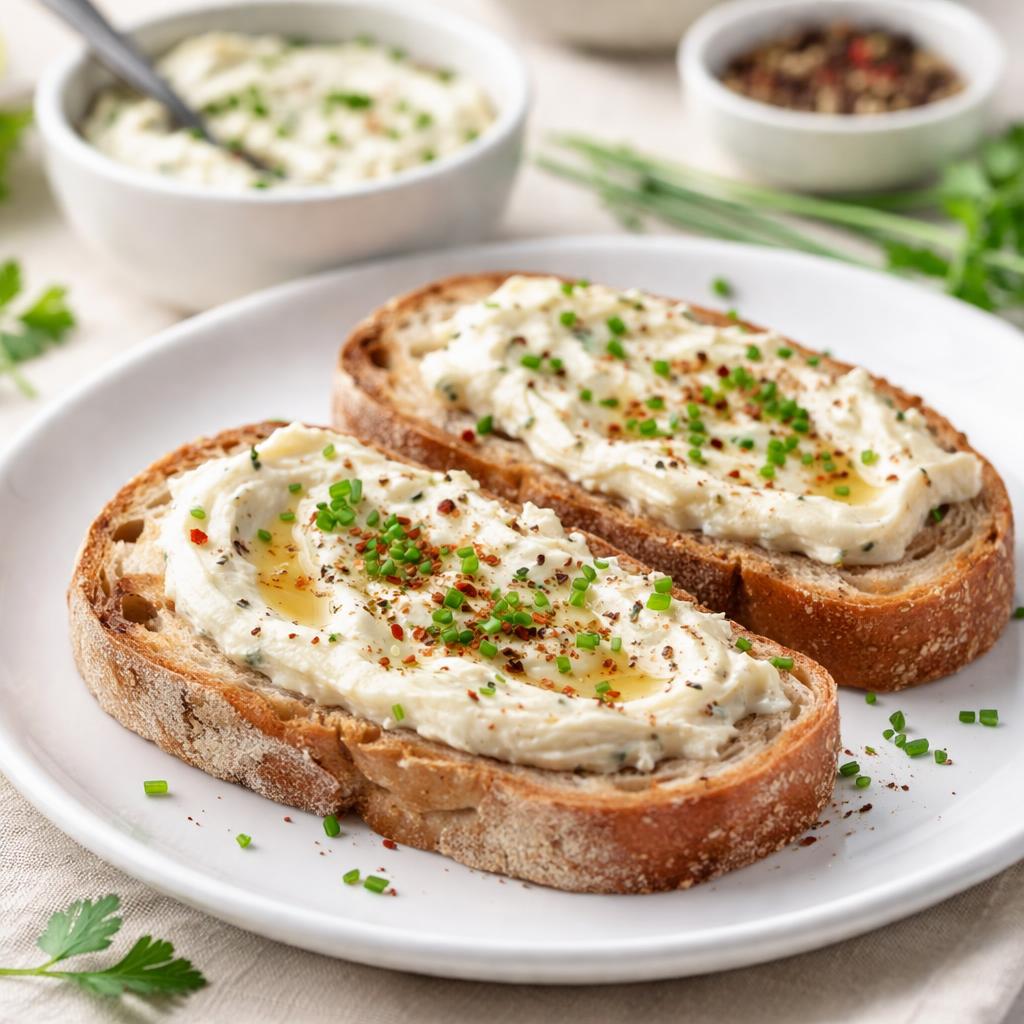
Bread With Spread
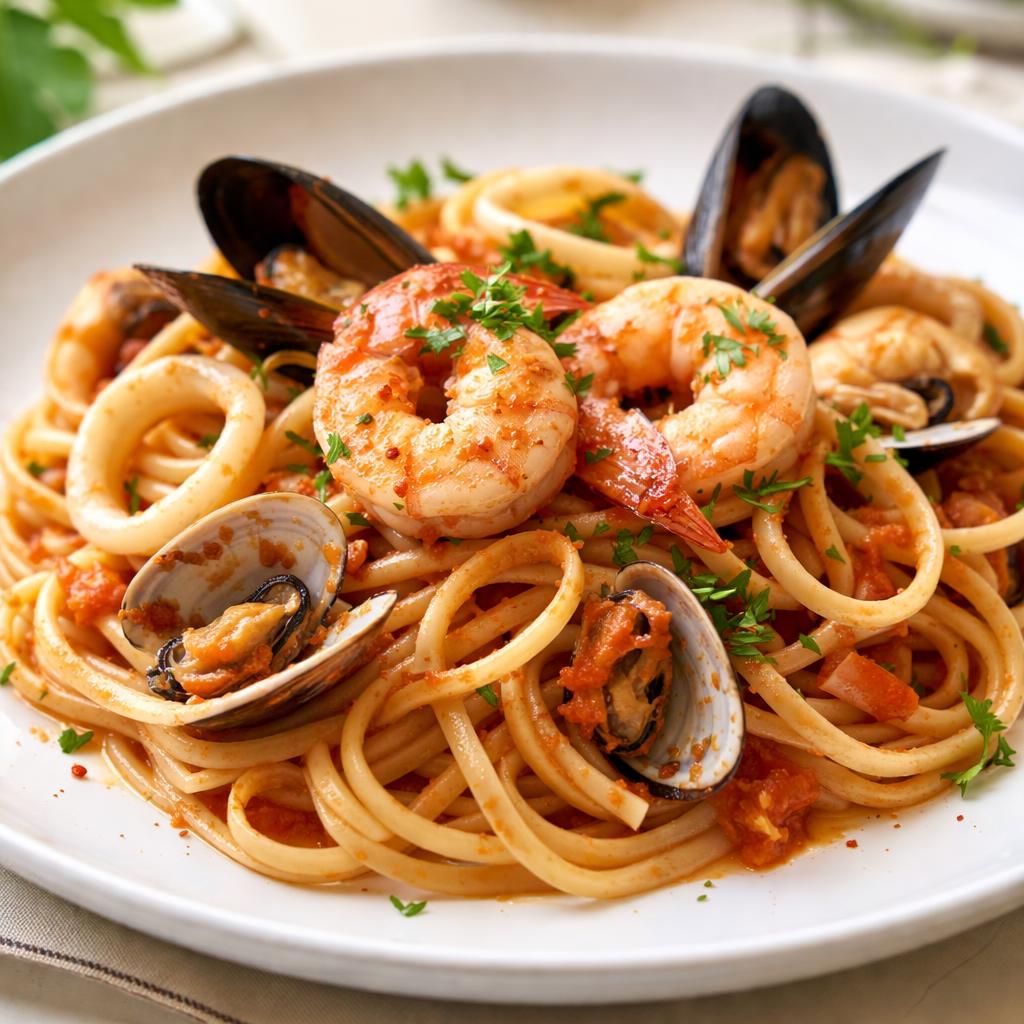
Seafood Pasta
🎯 Quick Verdict
Seafood pasta is nutritionally denser, with higher protein (22g vs 6g) and more vitamins and minerals, making it suitable for recovery and energy support. Bread with spread is lower in calories (230 vs 450), higher in fiber, and better for light meals or weight management strategies. Both are unique in their use cases and dietary benefits.

Smart Nutrition Tracking with SnapCalorie

📊 Nutritional Comparison
Macronutrients
| Nutrient | Food 1 | Food 2 | Winner |
|---|---|---|---|
| Calories | 230 | 450 | ✓ |
| Protein | 6g | 22g | ✓ |
| Carbs | 27g | 55g | ✓ |
| Fat | 8g | 10g | − |
| Fiber | 4g | 2g | ✓ |
Vitamins & Minerals
| Nutrient | Food 1 | Food 2 | Winner |
|---|---|---|---|
| Vitamin D | 0mcg | 3mcg | ✓ |
| Calcium | 50mg | 120mg | ✓ |
| Iron | 1mg | 3mg | ✓ |
🏆 Category Winners
Protein
Seafood pasta has nearly 4x the protein content.
Fiber
Bread with spread contains twice as much fiber.
Calories
Bread with spread is lower in calories by nearly 50%.
Vitamins
Seafood pasta provides a better range of vitamins, including Vitamin D and Calcium.
🥗 Diet Compatibility
Keto
Food 1: Not Compatible
Food 2: Not Compatible
Both are higher in carbohydrates.
Vegan
Food 1: Compatible
Food 2: Not Compatible
Bread with spread can be made vegan, but seafood pasta inherently includes animal proteins.
Gluten Free
Food 1: Not Compatible
Food 2: Not Compatible
Both contain gluten unless modified.
Paleo
Food 1: Not Compatible
Food 2: Not Compatible
Neither aligns with paleo restrictions.
Low-Carb
Food 1: Not Compatible
Food 2: Not Compatible
Both foods have moderate to high carbohydrate content.
💪 Health Benefits Comparison
Food 1 Benefits
- Higher fiber content supports digestive health
- Lower calorie option for weight management
- Provides sustained energy due to carb content
Food 2 Benefits
- High in protein for muscle repair and maintenance
- Contains omega-3 fatty acids from seafood for brain and heart health
- Rich in essential nutrients like Vitamin D, Calcium, and Iron
✅ The Bottom Line
Seafood pasta is the better choice for nutrient density, muscle recovery, and energy. Bread with spread is best for lighter meals, weight management, and digestive health. Both can be enjoyed based on lifestyle goals and nutritional priorities.
Choose Food 1 for: Weight management, light meals, fiber-rich diets
Choose Food 2 for: Muscle recovery, nutrient focus, hearty meals


