Bread With Butter VS Whole Wheat Sandwich
A detailed nutritional comparison

Bread With Butter
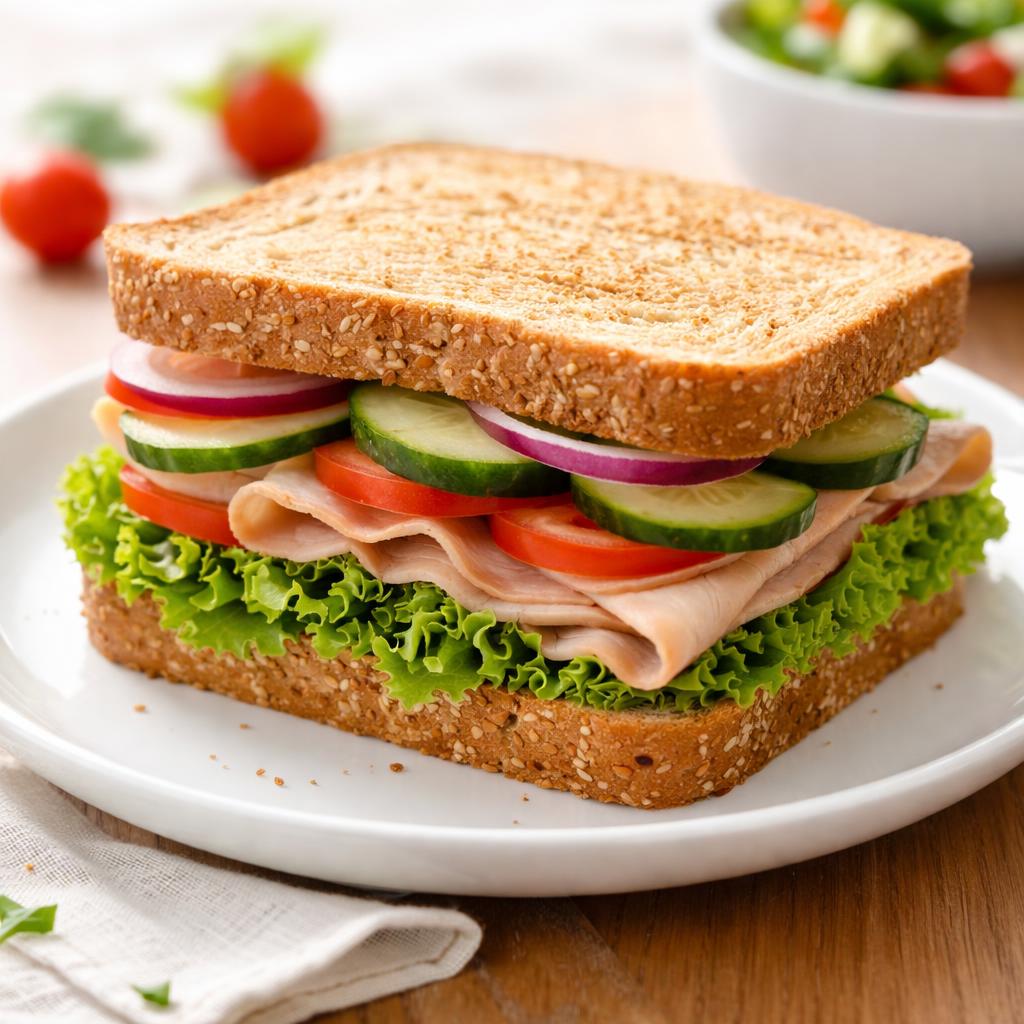
Whole Wheat Sandwich
🎯 Quick Verdict
Whole wheat sandwich (food2) offers a far better nutrient profile over bread with butter (food1). It is higher in protein (12g vs 5g), fiber (5g vs 0.5g), and contains more vitamins and minerals. While food1 is higher in fats and calories due to butter, food2 is more balanced and suitable for a wide range of diets, including heart-healthy and nutrient-dense options.

Smart Nutrition Tracking with SnapCalorie

📊 Nutritional Comparison
Macronutrients
| Nutrient | Food 1 | Food 2 | Winner |
|---|---|---|---|
| Calories | 200 | 180 | ✓ |
| Protein | 5g | 12g | ✓ |
| Carbs | 30g | 35g | ✓ |
| Fat | 10g | 5g | ✓ |
| Fiber | 0.5g | 5g | ✓ |
Vitamins & Minerals
| Nutrient | Food 1 | Food 2 | Winner |
|---|---|---|---|
| Vitamin D | 0mcg | 0mcg | − |
| Calcium | 20mg | 50mg | ✓ |
| Iron | 0.5mg | 2mg | ✓ |
| Vitamin B6 | 0.03mg | 0.10mg | ✓ |
🏆 Category Winners
Protein
Food2 has over double the protein compared to food1.
Fiber
Food2 contains 10 times more fiber compared to food1.
Calories
Food2 is slightly lower in calories.
Vitamins
Food2 has notably higher micronutrients like calcium, iron, and B vitamins.
🥗 Diet Compatibility
Keto
Food 1: Not Compatible
Food 2: Not Compatible
Both are high in carbohydrates.
Vegan
Food 1: Not Compatible
Food 2: Compatible
Food1 contains animal-based butter.
Gluten Free
Food 1: Not Compatible
Food 2: Not Compatible
Both contain gluten from bread or wheat.
Paleo
Food 1: Not Compatible
Food 2: Not Compatible
Neither matches paleo guidelines due to processed grains.
Low Carb
Food 1: Not Compatible
Food 2: Not Compatible
Both are carb-heavy foods.
💪 Health Benefits Comparison
Food 1 Benefits
- Provides quick energy from carbs
- Butter contains conjugated linoleic acid (CLA) which may support metabolic health
- Simple and palatable comfort food
Food 2 Benefits
- Rich in fiber supports gut health and digestion
- Higher protein for muscle repair and maintenance
- Contains essential B vitamins and minerals like iron for overall wellness
- Whole grains provide sustained energy release
✅ The Bottom Line
Food2 (whole wheat sandwich) is the healthier and more nutrient-dense option overall. It offers higher fiber, protein, and vitamins, making it better for satiety, energy, and general health. Food1 (bread with butter) can be chosen for a convenient, high-fat snack when immediate calories or comfort is preferred, but it lacks balance and long-term benefits.
Choose Food 1 for: Quick snack, high-fat diets, comfort food
Choose Food 2 for: Balanced meals, active lifestyles, nutrient density, heart health


