Bread With Butter VS Wheat Roti
A detailed nutritional comparison

Bread With Butter
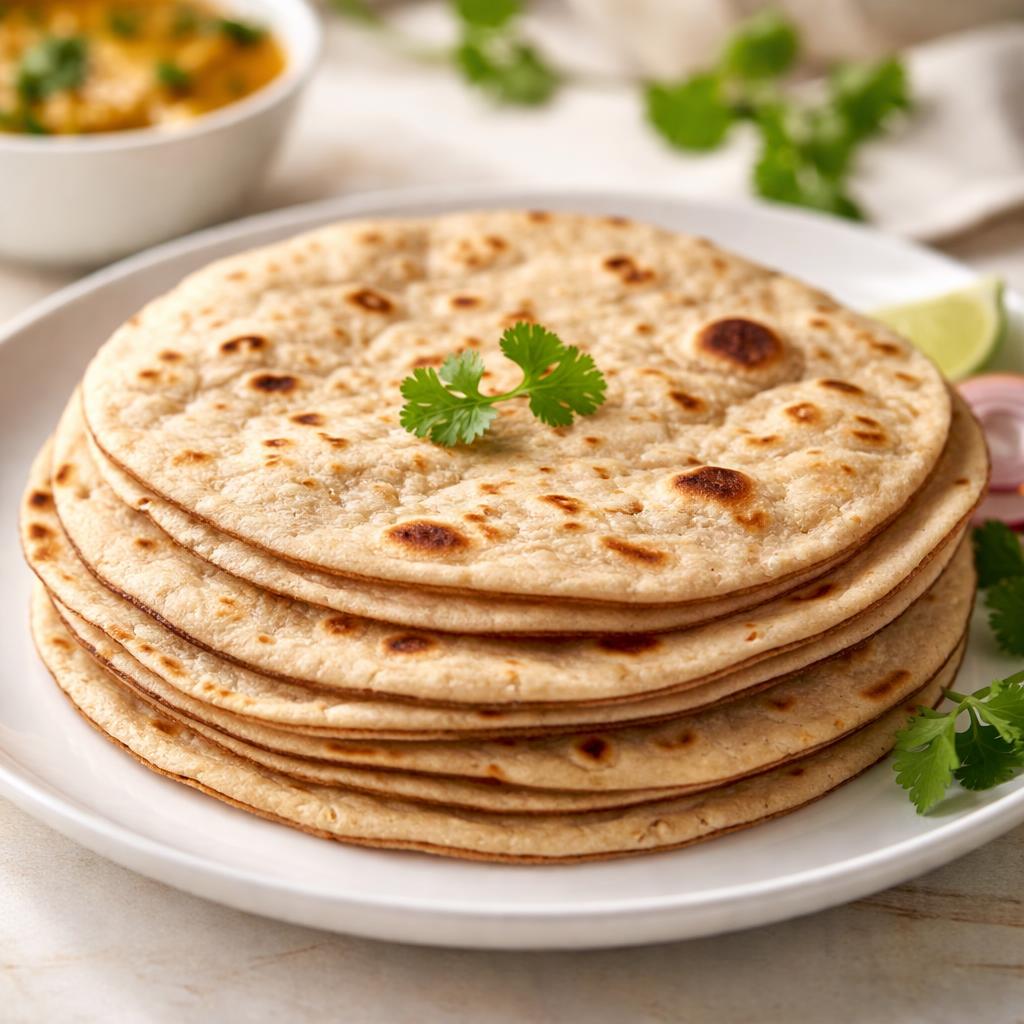
Wheat Roti
🎯 Quick Verdict
Bread with butter is higher in calories and fat due to the added butter but lacks significant fiber and protein compared to wheat roti. Wheat roti is a better choice for balanced nutrition, providing more protein and fiber with fewer calories. Bread with butter may be better for indulgence or quick energy, whereas roti is suitable for healthier meals or weight management diets.

Smart Nutrition Tracking with SnapCalorie

📊 Nutritional Comparison
Macronutrients
| Nutrient | Food 1 | Food 2 | Winner |
|---|---|---|---|
| Calories | 200 | 150 | ✓ |
| Protein | 4g | 6g | ✓ |
| Carbs | 25g | 20g | ✓ |
| Fat | 10g | 3g | ✓ |
| Fiber | 1g | 3g | ✓ |
Vitamins & Minerals
| Nutrient | Food 1 | Food 2 | Winner |
|---|---|---|---|
| Vitamin D | 0.25mcg | 0mcg | ✓ |
| Calcium | 15mg | 20mg | ✓ |
| Iron | 1mg | 2mg | ✓ |
🏆 Category Winners
Protein
Wheat roti contains 50% more protein per serving than bread with butter.
Fiber
Wheat roti has 3x more dietary fiber, making it better for digestion.
Calories
Wheat roti has 25% fewer calories, making it more weight-loss friendly.
Vitamins
Wheat roti offers higher levels of calcium and iron for bone and blood health.
🥗 Diet Compatibility
Keto
Food 1: Not Compatible
Food 2: Not Compatible
Both foods are high in carbs and unsuitable for keto diets.
Vegan
Food 1: Not Compatible
Food 2: Compatible
Bread with butter contains animal-derived butter, whereas wheat roti is plant-based.
Gluten Free
Food 1: Not Compatible
Food 2: Not Compatible
Both foods contain gluten from wheat.
Paleo
Food 1: Not Compatible
Food 2: Not Compatible
Both foods contain processed grains, which aren't allowed on paleo diets.
Low Carb
Food 1: Not Compatible
Food 2: Not Compatible
Both foods are high in carbohydrates.
💪 Health Benefits Comparison
Food 1 Benefits
- Quick source of calories and carbs for energy
- Contains fats that can support satiety (butter)
- Provides small amounts of Vitamin D
Food 2 Benefits
- Rich in fiber for digestion and gut health
- Contains more iron for improved oxygen transport
- Lower in calories for weight management
✅ The Bottom Line
Choose wheat roti for a healthier, balanced meal option with lower calories, higher protein, fiber, and essential minerals. Opt for bread with butter when you need quick energy and indulgence in moderation. Both foods have unique use cases depending on dietary goals.
Choose Food 1 for: Quick snacks, indulgent breakfasts, and energy boosts
Choose Food 2 for: Balanced meals, digestion support, and weight management


