Bread VS Turkish Bread
A detailed nutritional comparison
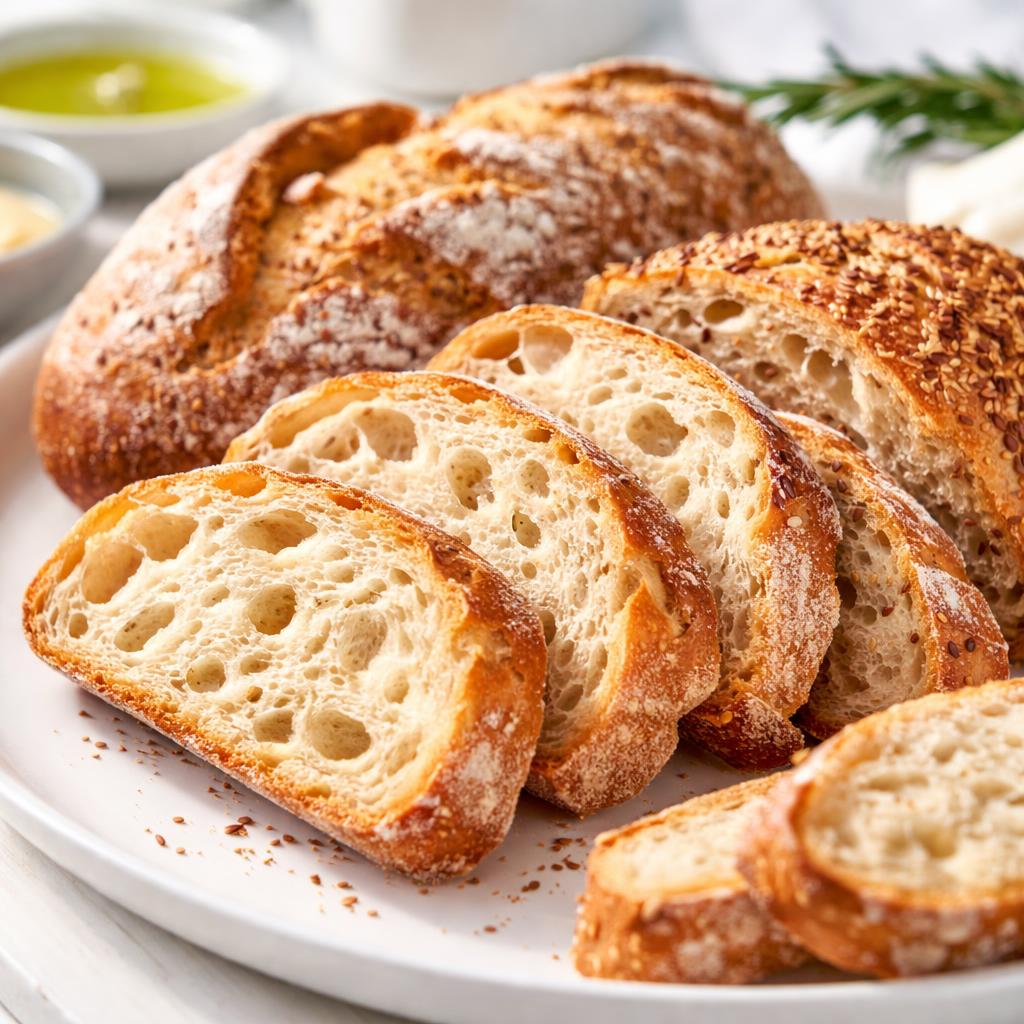
Bread
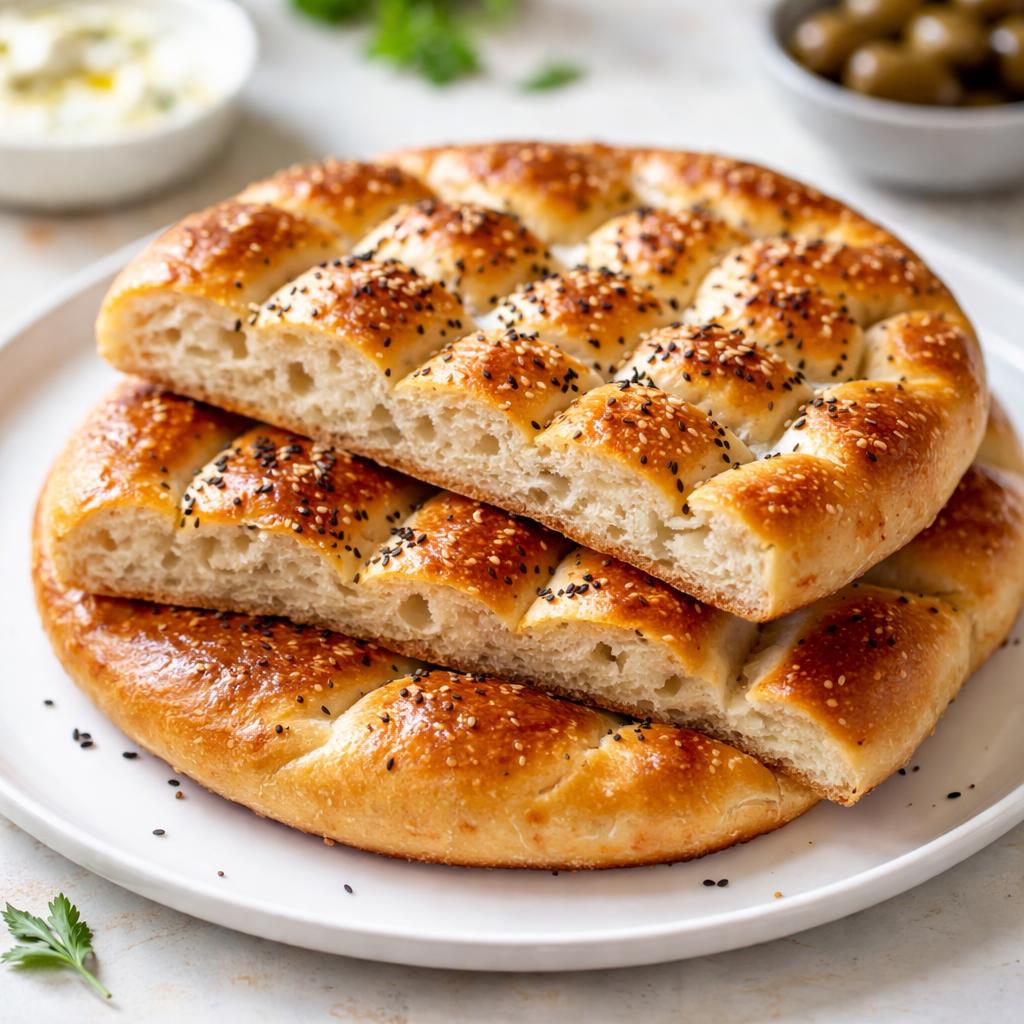
Turkish Bread
🎯 Quick Verdict
Bread is a lower-calorie option that offers more fiber, making it a better choice for improved digestion and weight management. Turkish bread is slightly higher in protein and has a softer texture, which makes it ideal for sandwiches or pairing with dips. Both are versatile but serve slightly different nutritional needs and culinary purposes.

Smart Nutrition Tracking with SnapCalorie

📊 Nutritional Comparison
Macronutrients
| Nutrient | Food 1 | Food 2 | Winner |
|---|---|---|---|
| Calories | − | ||
| Protein | − | ||
| Carbs | − | ||
| Fat | − | ||
| Fiber | − |
Vitamins & Minerals
| Nutrient | Food 1 | Food 2 | Winner |
|---|---|---|---|
| Vitamin B1 (Thiamine) | − | ||
| Iron | − | ||
| Calcium | − |
🏆 Category Winners
Protein
Both have identical protein amounts at 7g per 100g.
Fiber
Bread offers 50% more fiber, supporting digestion better.
Calories
Bread has about 13% fewer calories per 100g compared to Turkish bread.
Vitamins
Bread has higher levels of thiamine, iron, and calcium, making it more nutrient-dense overall.
🥗 Diet Compatibility
Keto
Food 1: Unknown
Food 2: Unknown
Both are high-carb foods.
Vegan
Food 1: Unknown
Food 2: Unknown
Both are plant-based and contain no animal products.
Gluten Free
Food 1: Unknown
Food 2: Unknown
Both contain wheat and gluten.
Paleo
Food 1: Unknown
Food 2: Unknown
Paleo diets generally avoid grains such as wheat, present in both.
Low-Carb
Food 1: Unknown
Food 2: Unknown
Both have >35g carbs per 100g, which is too high for low-carb diets.
💪 Health Benefits Comparison
Food 1 Benefits
Food 2 Benefits
✅ The Bottom Line
Bread is better for individuals looking for lower calorie and higher fiber options, making it ideal for weight management and digestive health. Turkish bread has a softer texture and slightly higher carbohydrates, making it a good choice for energy needs or as a flavorful base for meals. Choose bread for a nutrient-dense option and Turkish bread for versatility in cuisine.


