Bread VS Tempeh
A detailed nutritional comparison
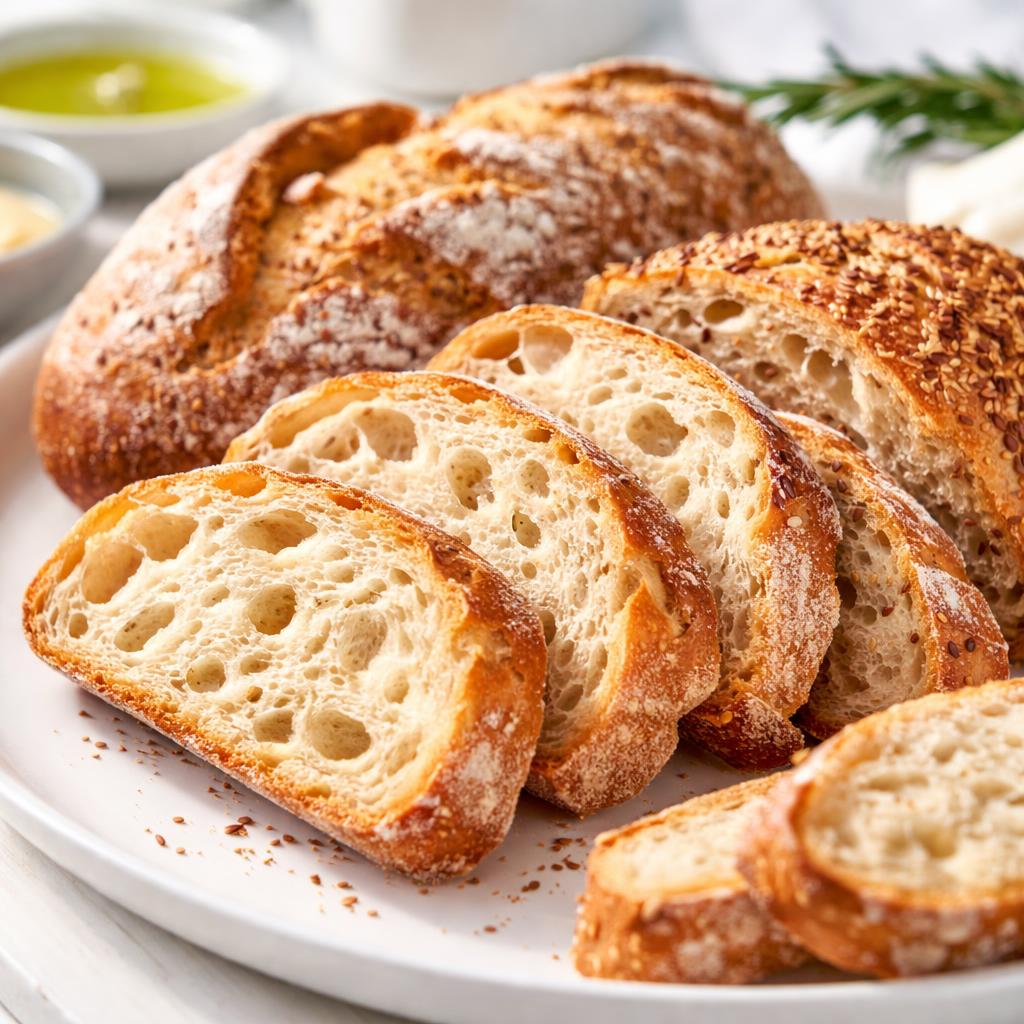
Bread
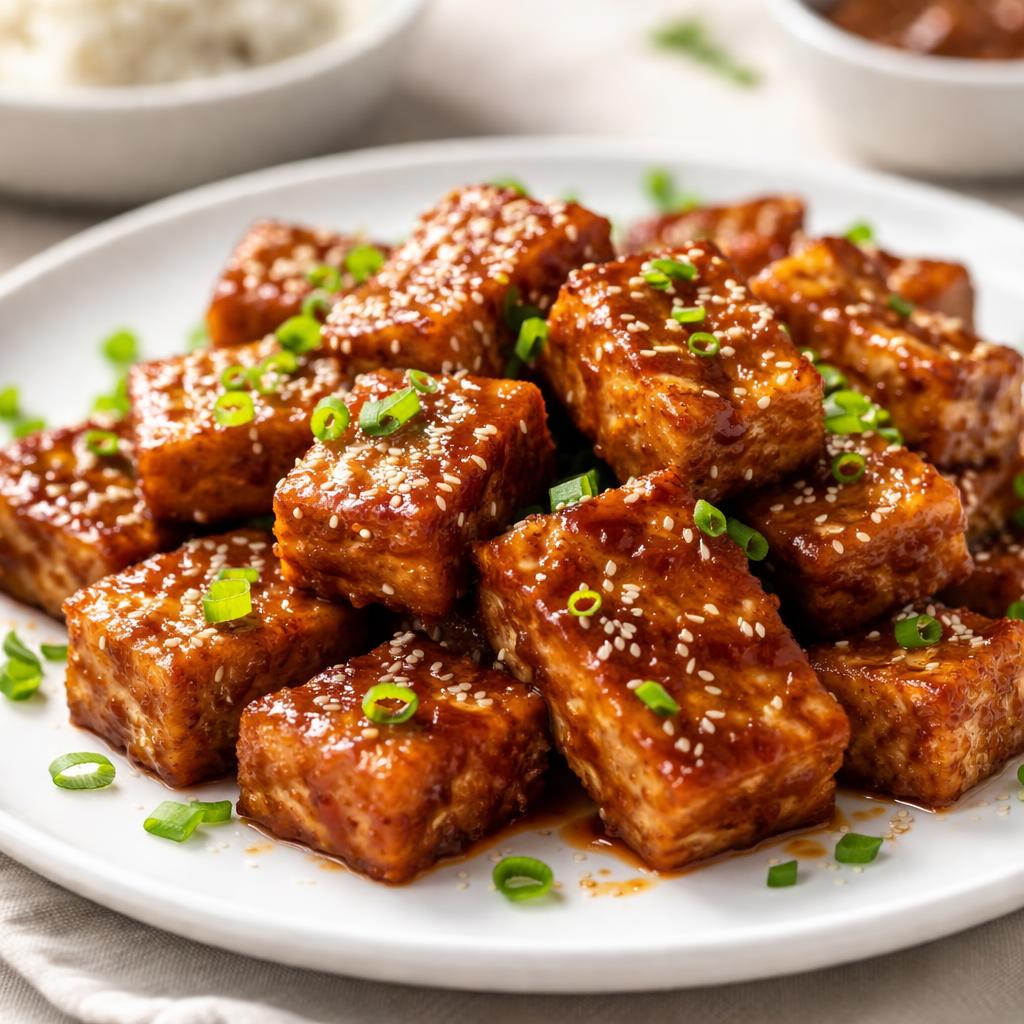
Tempeh
🎯 Quick Verdict
Tempeh is a high-protein, nutrient-dense food ideal for plant-based diets and muscle building, while bread is a convenient carbohydrate source with moderate fiber and lower protein content. Bread may be more suitable for quick energy, whereas tempeh serves as a complete protein for more balanced nutrition.

Smart Nutrition Tracking with SnapCalorie

📊 Nutritional Comparison
Macronutrients
| Nutrient | Food 1 | Food 2 | Winner |
|---|---|---|---|
| Calories | 265 per 100g | 195 per 100g | ✓ |
| Protein | 9g per 100g | 19g per 100g | ✓ |
| Carbs | 49g per 100g | 13g per 100g | ✓ |
| Fat | 4g per 100g | 11g per 100g | ✓ |
| Fiber | 2.7g per 100g | 3.4g per 100g | ✓ |
Vitamins & Minerals
| Nutrient | Food 1 | Food 2 | Winner |
|---|---|---|---|
| Vitamin B6 | 0.1mg | 0.2mg | ✓ |
| Calcium | 30mg | 110mg | ✓ |
| Iron | 2.6mg | 2.6mg | − |
🏆 Category Winners
Protein
Tempeh contains more than double the protein of bread per 100g.
Fiber
Both tempeh and bread deliver comparable amounts of dietary fiber.
Calories
Tempeh has fewer calories per serving, aiding weight management.
Vitamins
Tempeh delivers higher quantities of Calcium, Vitamin B6, and other crucial micronutrients.
🥗 Diet Compatibility
Keto
Food 1: Not Compatible
Food 2: Compatible
Bread is high-carb, while tempeh fits into low-carb/keto guidelines.
Vegan
Food 1: Compatible
Food 2: Compatible
Both foods are suitable for vegan diets.
Gluten Free
Food 1: Not Compatible
Food 2: Compatible
Bread typically contains gluten, while tempeh is gluten-free.
Paleo
Food 1: Not Compatible
Food 2: Compatible
Tempeh aligns with paleo principles whereas bread does not.
Low-Carb
Food 1: Not Compatible
Food 2: Compatible
Bread is high in carbs; tempeh is low-carb.
💪 Health Benefits Comparison
Food 1 Benefits
- Provides quick energy due to high carbohydrate content
- Contains moderate amounts of dietary fiber for digestion
- Offers iron for oxygen transport in the blood
Food 2 Benefits
- Rich in protein for muscle growth and repair
- Contains probiotics to support gut health
- Provides calcium for strong bones
- Includes antioxidants for cell protection
✅ The Bottom Line
Choose bread for quick energy or light meals and tempeh for a protein-rich, nutrient-dense option. Tempeh is ideal for plant-based eaters seeking complete protein, while bread is better for carbo-loading or quick fuel needs.
Choose Food 1 for: Quick energy, pre-workout carbs, snacks
Choose Food 2 for: Plant-based protein, muscle building, balanced meals


