Bread VS Stuffed Bread
A detailed nutritional comparison
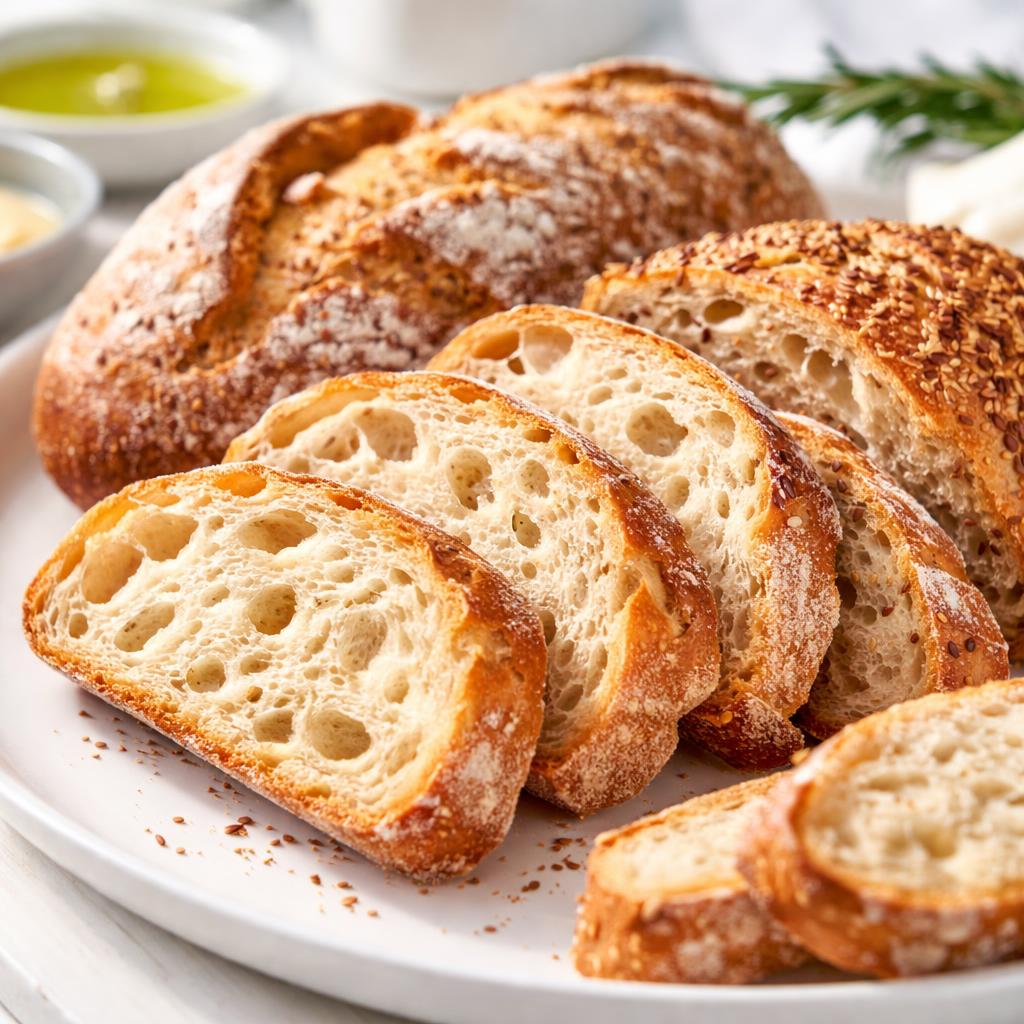
Bread
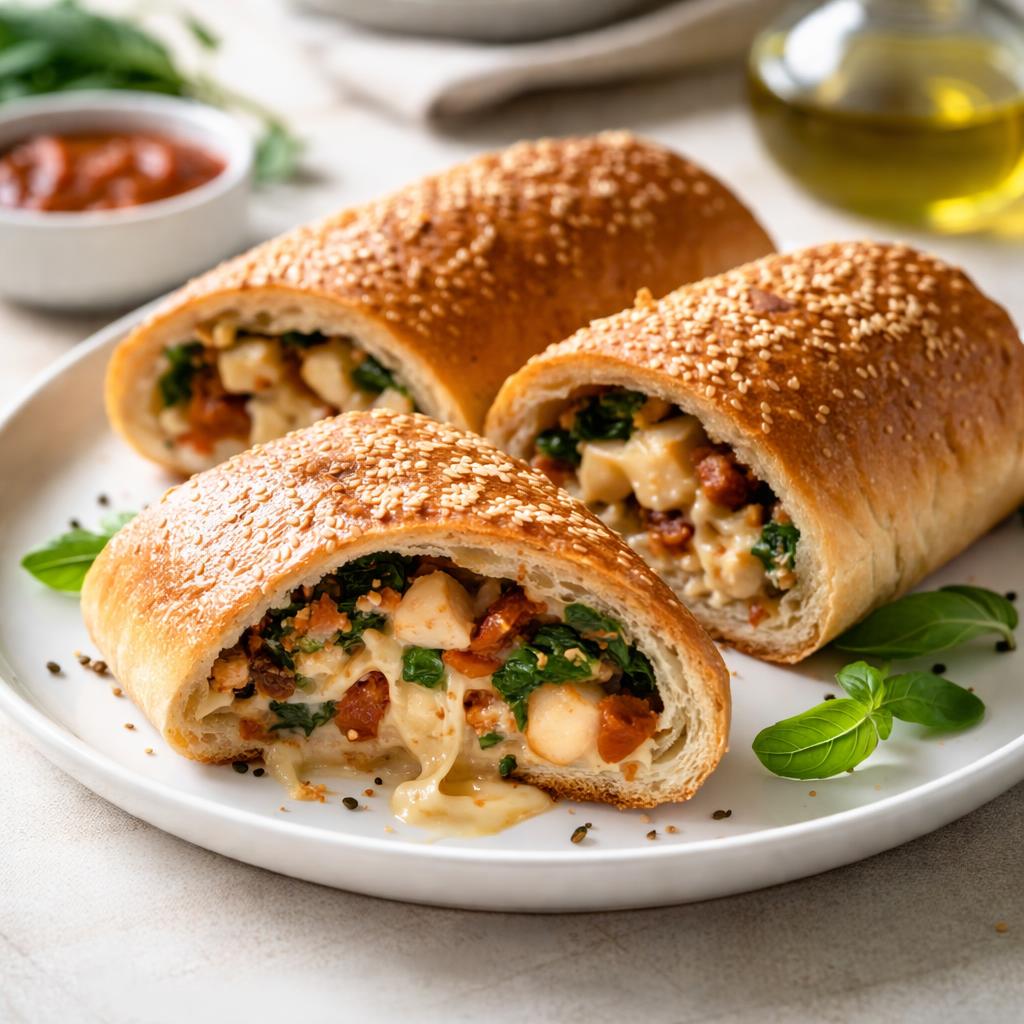
Stuffed Bread
🎯 Quick Verdict
Bread (food1) is simpler and often lower in calories compared to stuffed bread (food2), making it better for weight management. Stuffed bread usually contains added fillings, increasing calories, fats, and possibly nutrients, making it an energy-dense option ideal for hearty meals or snacks.

Smart Nutrition Tracking with SnapCalorie

📊 Nutritional Comparison
Macronutrients
| Nutrient | Food 1 | Food 2 | Winner |
|---|---|---|---|
| Calories | 80 per slice | 150 per serving | ✓ |
| Protein | 2.5g | 2.5g | − |
| Carbs | 15g | 20g | ✓ |
| Fat | 1g | 5g | ✓ |
| Fiber | 1g | 1g | − |
Vitamins & Minerals
| Nutrient | Food 1 | Food 2 | Winner |
|---|---|---|---|
| Vitamin D | 0mcg | 0mcg | − |
| Calcium | 30mg | 50mg | ✓ |
| Iron | 0.5mg | 1mg | ✓ |
🏆 Category Winners
Protein
Both foods contain similar amounts of protein per serving (2.5g).
Fiber
Fiber content is the same for both (1g per serving).
Calories
Bread has about 47% fewer calories compared to stuffed bread.
Vitamins
Stuffed bread contains slightly more calcium and iron due to enriched fillings.
🥗 Diet Compatibility
Keto
Food 1: Not Compatible
Food 2: Not Compatible
Both are high-carb foods.
Vegan
Food 1: Depends on recipe
Food 2: Depends on fillings
Bread and stuffed bread can be vegan if dairy and egg-free.
Gluten Free
Food 1: Not Compatible
Food 2: Not Compatible
Standard bread and stuffed bread contain gluten unless made from gluten-free flour.
Paleo
Food 1: Not Compatible
Food 2: Not Compatible
Neither are paleo-friendly as they are grain-based.
Low Carb
Food 1: Not Compatible
Food 2: Not Compatible
Both foods are considered high-carb.
💪 Health Benefits Comparison
Food 1 Benefits
- Low-calorie option for weight management
- Provides quick carbohydrates for energy
- Generally lower in fat compared to stuffed bread
Food 2 Benefits
- More nutrient-dense with added fillings
- Higher energy content suitable for active individuals
- Enriched with minerals like calcium and iron
✅ The Bottom Line
Choose bread (food1) when looking for a lighter, lower-calorie base, ideal for sandwiches or small meals. Pick stuffed bread (food2) for a heartier and nutrient-dense food option, better suited for higher energy needs or indulgent snacks.
Choose Food 1 for: Weight loss, light meals, low-fat diets
Choose Food 2 for: Energy-dense diets, hearty meals, nutrient variety


