Bread VS Sourdough Bread
A detailed nutritional comparison
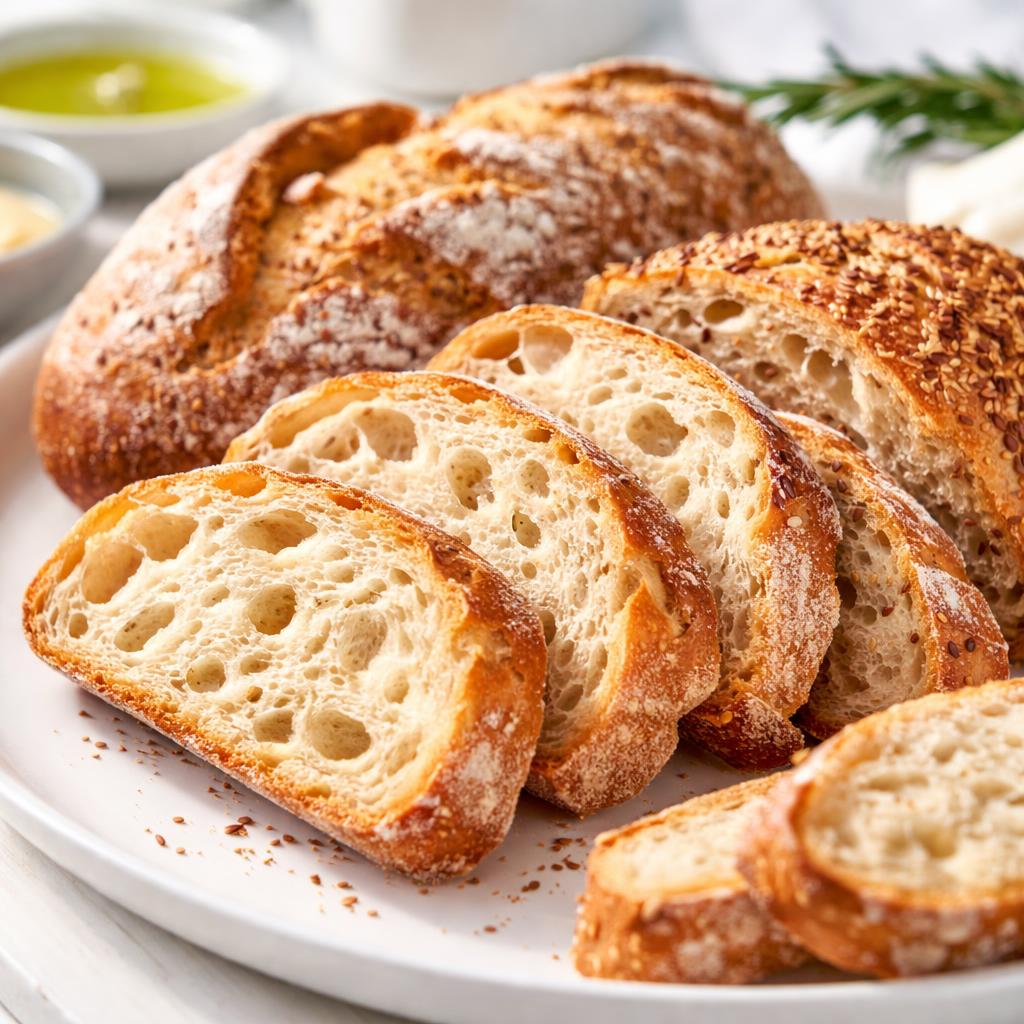
Bread
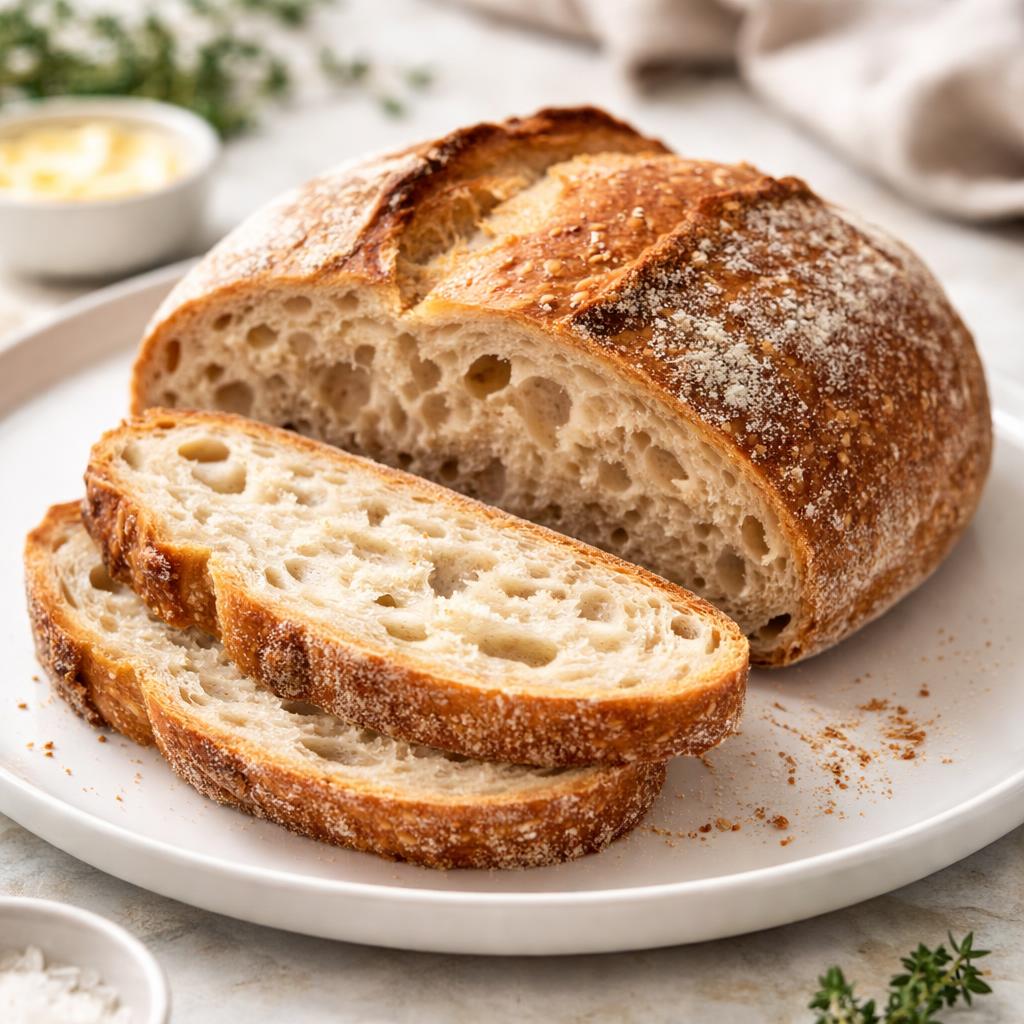
Sourdough Bread
🎯 Quick Verdict
Sourdough bread (Food 2) generally outperforms regular bread (Food 1) due to its lower calorie count, higher fiber content, and improved digestibility via fermentation. Regular bread may suit those looking for a versatile, consistent carbohydrate, while sourdough is preferred for better gut health and lower blood sugar spikes.

Smart Nutrition Tracking with SnapCalorie

📊 Nutritional Comparison
Macronutrients
| Nutrient | Food 1 | Food 2 | Winner |
|---|---|---|---|
| Calories | 79 | 69 | ✓ |
| Protein | 2.5g | 2.5g | − |
| Carbs | 14g | 12g | ✓ |
| Fat | 1g | 1.1g | ✓ |
| Fiber | 0.7g | 1.2g | ✓ |
Vitamins & Minerals
| Nutrient | Food 1 | Food 2 | Winner |
|---|---|---|---|
| Vitamin B1 (Thiamin) | 0.1mg | 0.08mg | ✓ |
| Folate | 25mcg | 20mcg | ✓ |
| Iron | 0.9mg | 0.8mg | ✓ |
| Magnesium | 6mg | 7mg | ✓ |
🏆 Category Winners
Protein
Both foods contain equal protein content per serving.
Fiber
Food2 has nearly 70% more fiber than Food1, aiding digestion and gut health.
Calories
Sourdough bread has 12% fewer calories per serving compared to regular bread.
🥗 Diet Compatibility
Keto
Food 1: Not Compatible
Food 2: Not Compatible
Both are high-carb foods unsuited for keto diets.
Vegan
Food 1: Compatible
Food 2: Compatible
Neither bread contains animal products.
Gluten Free
Food 1: Not Compatible
Food 2: Not Compatible
Both are made with wheat and contain gluten.
Paleo
Food 1: Not Compatible
Food 2: Not Compatible
Bread is not suitable for the paleo diet, which avoids processed grains.
Low Carb
Food 1: Not Compatible
Food 2: Better Option
Food2 has slightly lower carbs and may be better for moderate-carb diets.
💪 Health Benefits Comparison
Food 1 Benefits
- Provides quick energy due to high carbohydrate content
- Rich in folate, supporting cell growth and repair
- Contains iron for improved oxygen transport
Food 2 Benefits
- Improved digestibility due to natural fermentation
- Lower glycemic index, reducing blood sugar spikes
- Higher fiber content for better gut health and satiety
- Contains magnesium to support bone health
✅ The Bottom Line
Choose regular bread (Food 1) for a reliable source of carbs and essential vitamins like iron and folate, making it suitable for quick energy needs or budget-friendly meals. Opt for sourdough bread (Food 2) for health-conscious choices—its lower glycemic index, higher fiber, and easier digestibility make it better for gut health and sustained energy.
Choose Food 1 for: Budget-friendly meals, quick carb energy, vitamin enrichment
Choose Food 2 for: Gut health, blood sugar control, nutrient-conscious eating


