Bread VS Soda
A detailed nutritional comparison
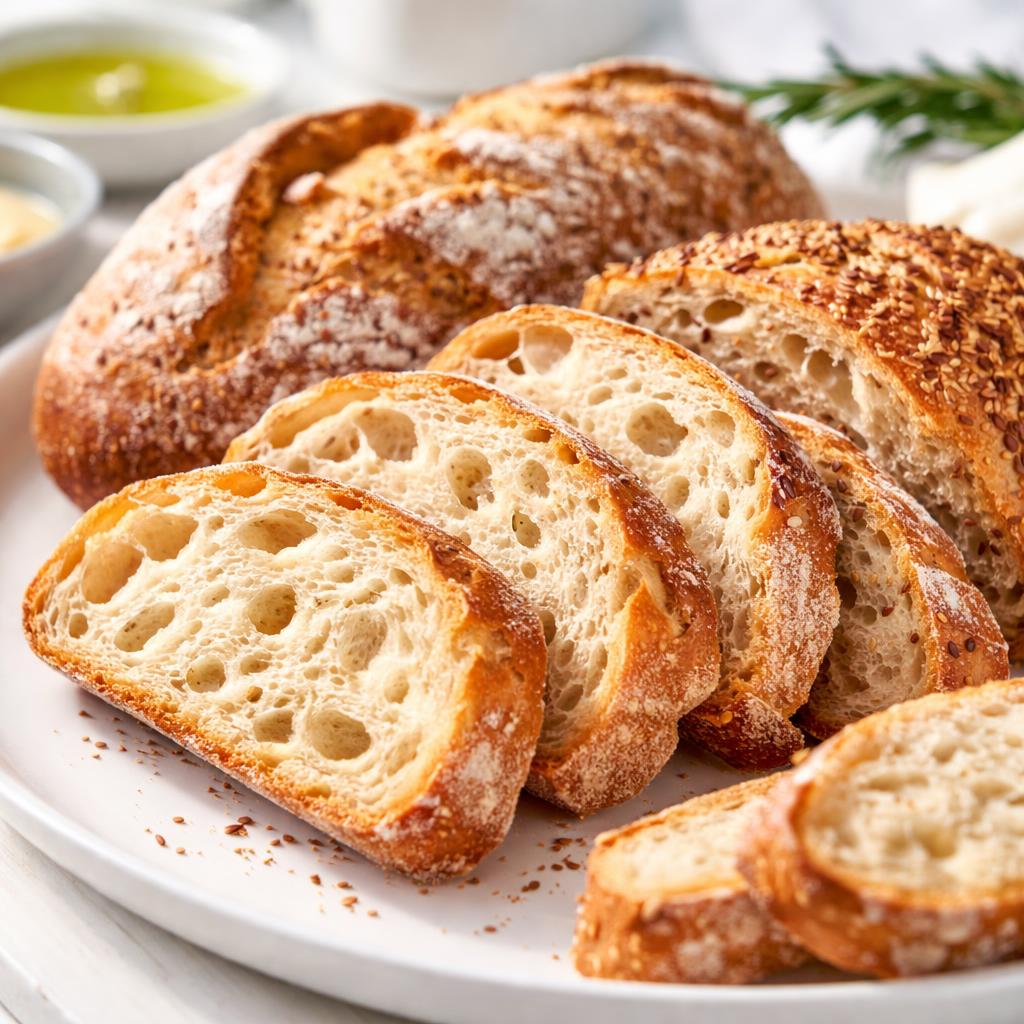
Bread
Soda
🎯 Quick Verdict
Bread is nutritionally superior to soda due to its higher protein, fiber, and essential vitamins and minerals. Soda, on the other hand, is calorie-dense with high amounts of added sugar, offering minimal nutritional value. Bread is a more balanced option and better suited for sustained energy and satiety.

Smart Nutrition Tracking with SnapCalorie

📊 Nutritional Comparison
Macronutrients
| Nutrient | Food 1 | Food 2 | Winner |
|---|---|---|---|
| Calories | 80 | 150 | ✓ |
| Protein | 4g | 0g | ✓ |
| Carbs | 15g | 40g | ✓ |
| Fat | 1g | 0g | ✓ |
| Fiber | 1g | 0g | ✓ |
Vitamins & Minerals
| Nutrient | Food 1 | Food 2 | Winner |
|---|---|---|---|
| Vitamin D | 0mcg | 0mcg | − |
| Calcium | 50mg | 0mg | ✓ |
| Iron | 0.8mg | 0mg | ✓ |
🏆 Category Winners
Protein
Bread provides 4g of protein per serving, while soda has none.
Fiber
Bread contains 1g of fiber, while soda has zero fiber content.
Calories
Bread has 80 calories per serving compared to soda's 150 calories.
🥗 Diet Compatibility
Keto
Food 1: Not Compatible
Food 2: Not Compatible
Both are high in carbohydrates.
Vegan
Food 1: Compatible
Food 2: Compatible
Both foods contain no animal products.
Gluten Free
Food 1: Not Compatible
Food 2: Compatible
Bread contains gluten, while soda is gluten-free.
Paleo
Food 1: Not Compatible
Food 2: Not Compatible
Both foods contain processed ingredients.
Low Carb
Food 1: Not Compatible
Food 2: Not Compatible
Neither is suitable for low-carb diets due to their high carbohydrate content.
💪 Health Benefits Comparison
Food 1 Benefits
- Provides a modest amount of protein for muscle repair
- Contains dietary fiber to aid digestion
- Good source of essential minerals like calcium and iron
Food 2 Benefits
- Provides quick energy due to high sugar content
- Low fat content
- May be refreshing or rehydrating in certain contexts
✅ The Bottom Line
Bread is a more balanced option for nutrition and energy compared to soda, which is primarily sugar-based and lacks any significant health benefits. Choose bread for satiety, nutrients, and sustained energy, while soda may be an occasional treat rather than a staple.
Choose Food 1 for: Balanced meals, snacking, energy and nutrients
Choose Food 2 for: Occasional indulgence, quick energy boost


