Bread VS Shredded Wheat
A detailed nutritional comparison
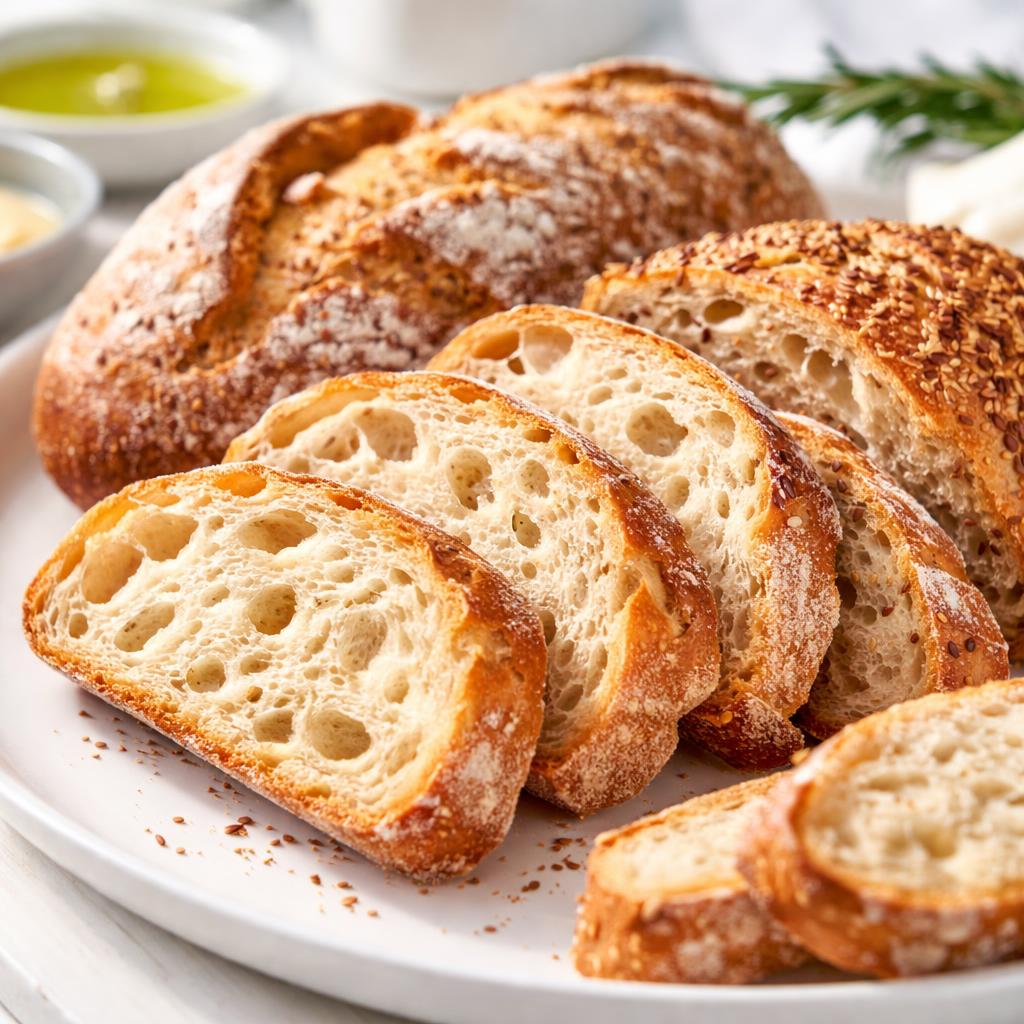
Bread
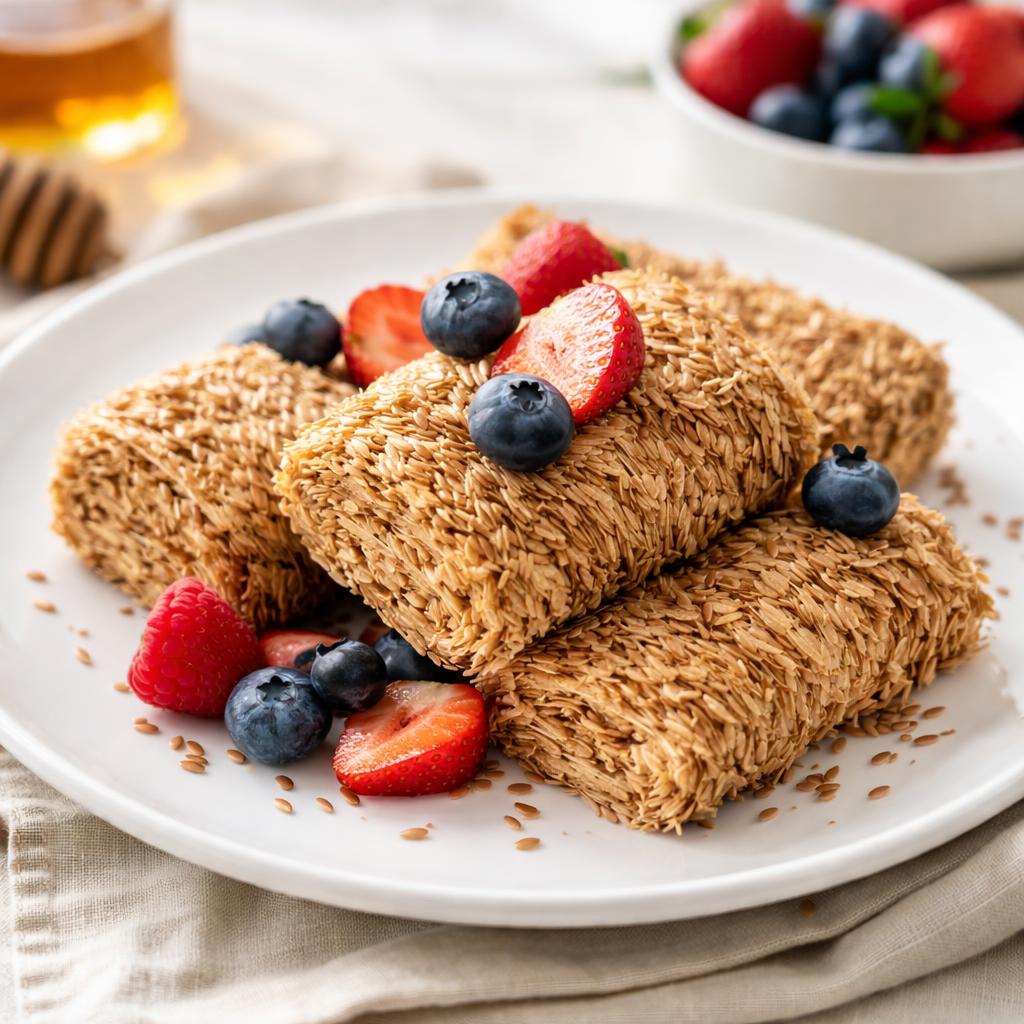
Shredded Wheat
🎯 Quick Verdict
Shredded wheat outperforms bread nutritionally in protein, fiber, and calorie content. Bread offers more versatility in terms of flavor and usage, but shredded wheat is a better choice for those focused on weight management, digestion, and nutrient density.

Smart Nutrition Tracking with SnapCalorie

📊 Nutritional Comparison
Macronutrients
| Nutrient | Food 1 | Food 2 | Winner |
|---|---|---|---|
| Calories | 265 | 200 | ✓ |
| Protein | 9g | 12g | ✓ |
| Carbs | 49g | 44g | ✓ |
| Fat | 4g | 2g | ✓ |
| Fiber | 2.4g | 6g | ✓ |
Vitamins & Minerals
| Nutrient | Food 1 | Food 2 | Winner |
|---|---|---|---|
| Vitamin D | 0mcg | 0mcg | − |
| Calcium | 25mg | 14mg | ✓ |
| Iron | 2.5mg | 3mg | ✓ |
🏆 Category Winners
Protein
Shredded wheat has 33% more protein per serving.
Fiber
Shredded wheat offers over double the fiber, aiding digestion.
Calories
Shredded wheat contains 25% fewer calories compared to bread.
Vitamins
Shredded wheat is slightly higher in iron and overall micronutrients.
🥗 Diet Compatibility
Keto
Food 1: Not Compatible
Food 2: Not Compatible
Both are high-carb and not suitable for keto diets.
Vegan
Food 1: Compatible
Food 2: Compatible
Both foods are plant-based and thus vegan-friendly.
Gluten Free
Food 1: Not Compatible
Food 2: Not Compatible
Both contain gluten from wheat.
Paleo
Food 1: Not Compatible
Food 2: Not Compatible
Grain-based foods are excluded from paleo diets.
Low-Carb
Food 1: Not Compatible
Food 2: Not Compatible
Both foods are relatively high in carbohydrates.
💪 Health Benefits Comparison
Food 1 Benefits
- Provides energy from carbohydrates for sustained activity
- Versatile in meals such as sandwiches or toast
- Source of iron for oxygen transport in the body
Food 2 Benefits
- Higher fiber content enhances digestive health
- Rich in protein for muscle development and repair
- Lower calorie density supports weight loss efforts
✅ The Bottom Line
Shredded wheat is the better choice for those prioritizing protein, fiber, and calorie goals, while bread is more versatile for cooking and meal creation. Choose shredded wheat for weight management and digestive benefits, and bread for broader culinary applications.
Choose Food 1 for: Sandwiches, general energy source, versatile meals
Choose Food 2 for: Weight management, high-fiber diets, breakfast cereal


