Bread VS Seeded Bread
A detailed nutritional comparison

Bread
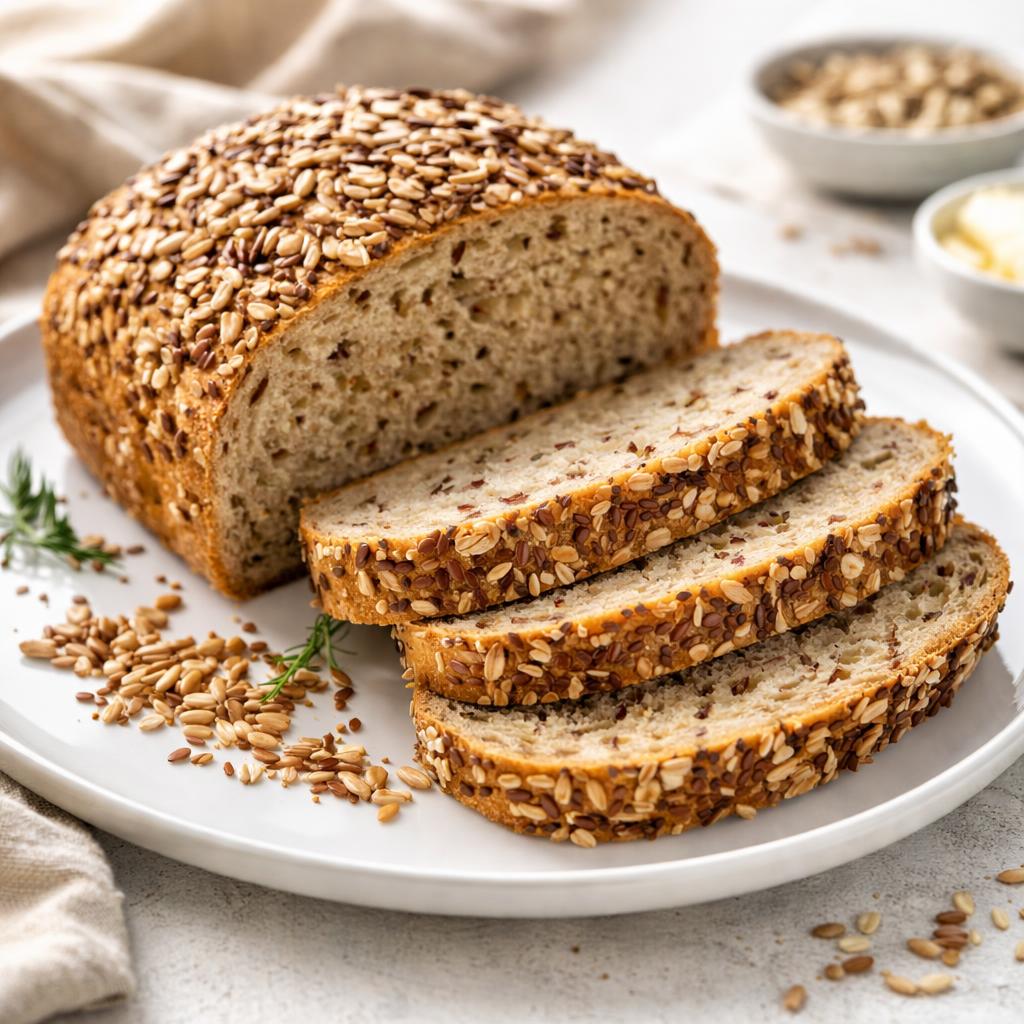
Seeded Bread
🎯 Quick Verdict
Seeded bread generally offers more nutritional benefits than regular bread due to higher protein and fiber content, making it better for sustained energy and digestion. Regular bread remains a versatile option for those seeking moderate calories with a simpler taste profile.

Smart Nutrition Tracking with SnapCalorie

📊 Nutritional Comparison
Macronutrients
| Nutrient | Food 1 | Food 2 | Winner |
|---|---|---|---|
| Calories | 80 per slice | 90 per slice | − |
| Protein | 3g | 6g | ✓ |
| Carbs | 15g | 14g | ✓ |
| Fat | 1g | 4g | ✓ |
| Fiber | 1g | 3g | ✓ |
Vitamins & Minerals
| Nutrient | Food 1 | Food 2 | Winner |
|---|---|---|---|
| Vitamin D | 0mcg | 0mcg | − |
| Calcium | 50mg | 80mg | ✓ |
| Iron | 1mg | 1.5mg | ✓ |
🏆 Category Winners
Protein
Food2 contains twice as much protein per serving due to seeds like flax and sunflower.
Fiber
Food2 provides three times more fiber, aiding digestion.
Calories
The calorie difference is minimal, making both options equivalent in energy density.
🥗 Diet Compatibility
Keto
Food 1: Not Compatible
Food 2: Not Compatible
Both are too high in carbs for a keto diet.
Vegan
Food 1: Compatible
Food 2: Compatible
Both are plant-based products with no animal derivatives.
Gluten Free
Food 1: Not Compatible
Food 2: Not Compatible
Both contain gluten from wheat flour.
Paleo
Food 1: Not Compatible
Food 2: Not Compatible
Bread products are not suitable for paleo diets.
Low Carb
Food 1: Not Compatible
Food 2: Not Compatible
Both exceed typical low-carb diet thresholds (15-20g/day).
💪 Health Benefits Comparison
Food 1 Benefits
- Quick source of carbohydrates for energy
- Low in fat, suitable for low-fat diets
- Contains trace amounts of iron and B vitamins
Food 2 Benefits
- Rich in protein for muscle building and repair
- High fiber content supports digestion and gut health
- Contains heart-healthy fats from seeds like flax and sunflower
✅ The Bottom Line
For better nutrition, choose seeded bread as it provides significantly more protein, fiber, and healthy fats. Regular bread is still a good option for those seeking a simpler carbohydrate source with fewer added components.
Choose Food 1 for: Quick energy, basic meals, low-fat diets
Choose Food 2 for: Sustained energy, digestion support, muscle building


