Bread VS Rice Paper
A detailed nutritional comparison
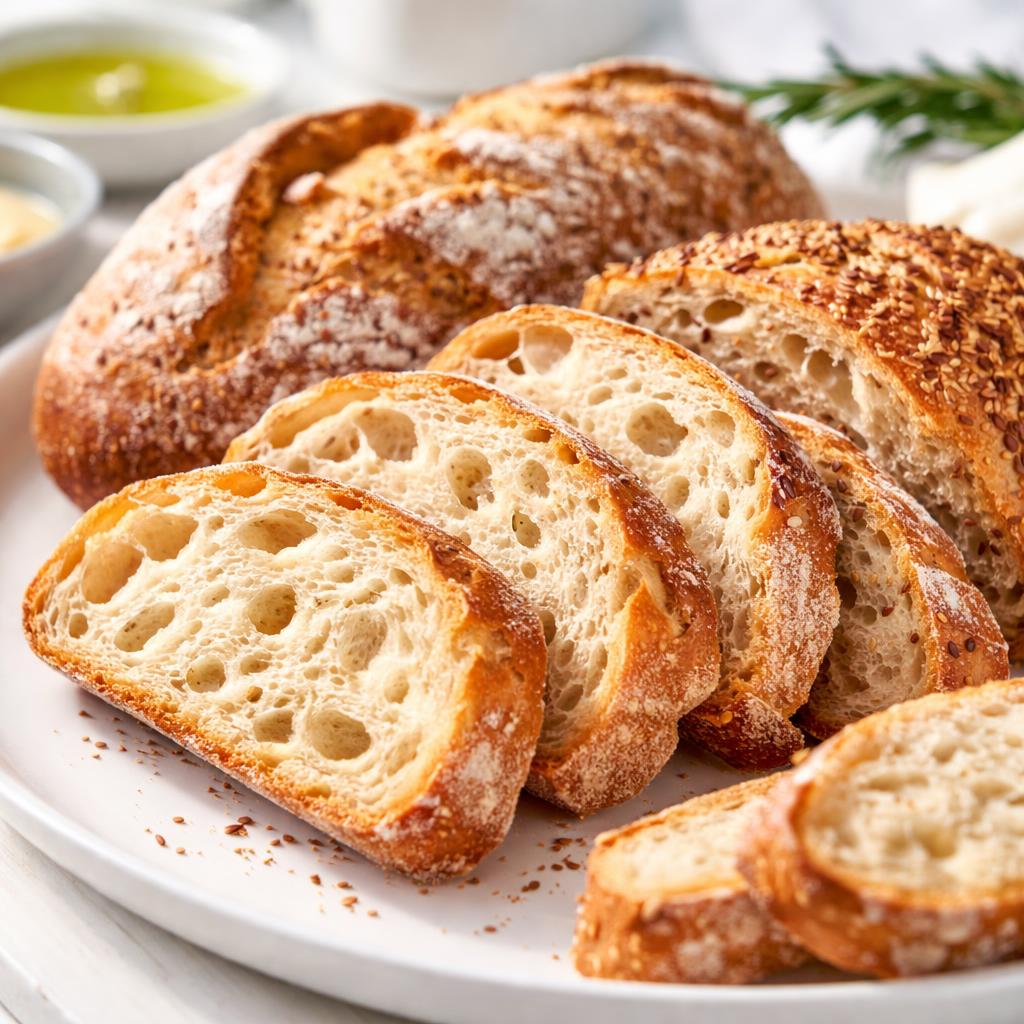
Bread
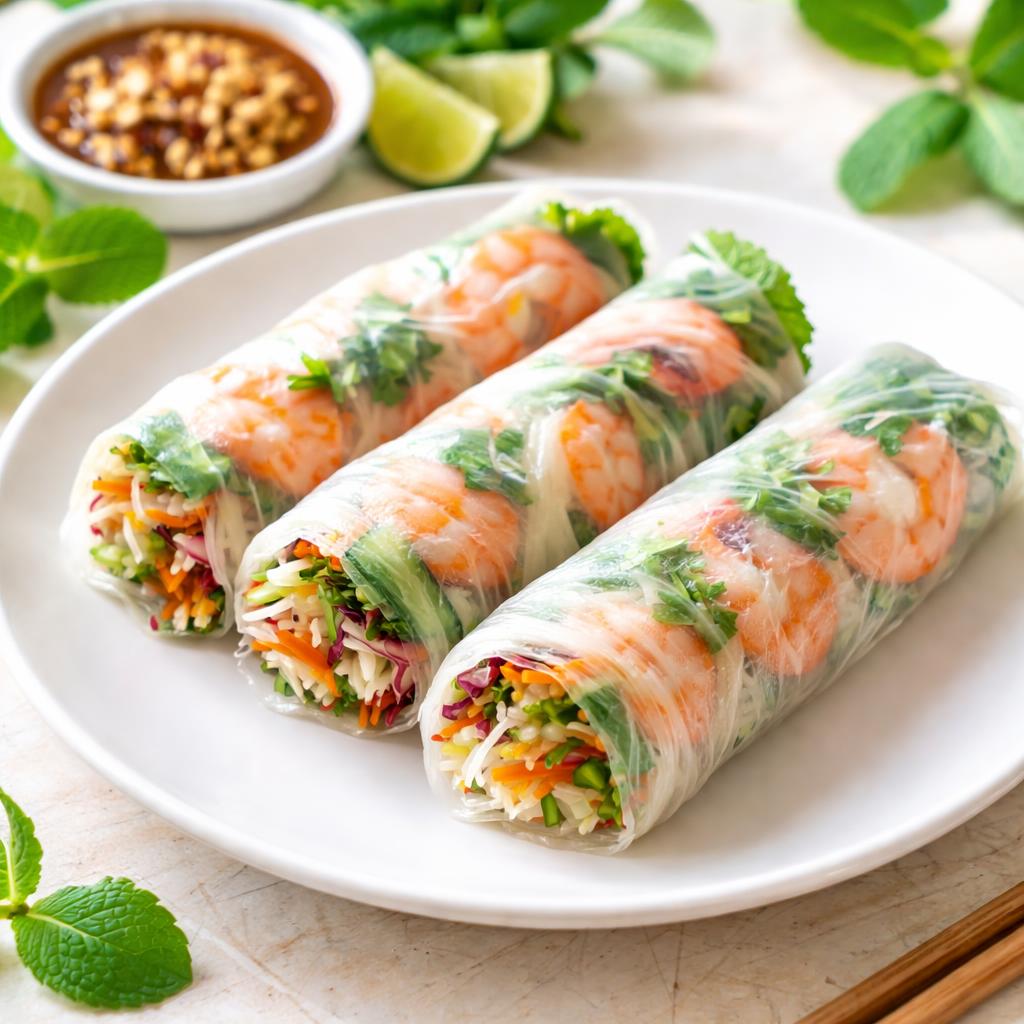
Rice Paper
🎯 Quick Verdict
Bread offers a significantly higher protein and fiber content compared to rice paper, making it more filling and nutrient-dense. Rice paper, on the other hand, is extremely low in calories, making it ideal for light wraps or dishes where calorie control is key. Bread is better for energy and satiety, while rice paper excels in low-calorie diets and recipes requiring minimal bulk.

Smart Nutrition Tracking with SnapCalorie

📊 Nutritional Comparison
Macronutrients
| Nutrient | Food 1 | Food 2 | Winner |
|---|---|---|---|
| Calories | 80 (per 1 slice, 25g) | 35 (per sheet, 10g) | ✓ |
| Protein | 2.5g | 0.5g | ✓ |
| Carbs | 15g | 8g | ✓ |
| Fat | 1g | 0g | ✓ |
| Fiber | 1g | 0g | ✓ |
Vitamins & Minerals
| Nutrient | Food 1 | Food 2 | Winner |
|---|---|---|---|
| Vitamin B6 | 0.04mg | 0.02mg | ✓ |
| Calcium | 30mg | 20mg | ✓ |
| Iron | 0.8mg | 0.1mg | ✓ |
🏆 Category Winners
Protein
Bread has 5 times more protein per serving than rice paper.
Fiber
Bread contains fiber while rice paper has none.
Calories
Rice paper is 56% lower in calories per serving.
🥗 Diet Compatibility
Keto
Food 1: Not Compatible
Food 2: Not Compatible
Both are high-carb foods, unsuitable for keto diets.
Vegan
Food 1: Compatible
Food 2: Compatible
Both are plant-based foods.
Gluten Free
Food 1: Not Compatible
Food 2: Compatible
Bread typically contains gluten unless labeled as gluten-free, whereas rice paper is naturally gluten-free.
Paleo
Food 1: Not Compatible
Food 2: Compatible
Bread is processed and not paleo-friendly, but rice paper made from tapioca starch fits paleo guidelines.
Low-Carb
Food 1: Not Compatible
Food 2: Compatible
Rice paper is lower in carbs, while bread contains significantly more carbohydrates per serving.
💪 Health Benefits Comparison
Food 1 Benefits
- Source of energy from complex carbohydrates
- Provides protein for muscle repair
- Contains fiber for gut health
Food 2 Benefits
- Low-calorie option for weight loss diets
- Gluten-free alternative for those with sensitivities
- Easy to digest and versatile for light meals
✅ The Bottom Line
Choose bread for a filling and nutrient-dense option, particularly if you're looking to increase protein, fiber, or energy intake. Opt for rice paper if you're seeking a low-calorie, gluten-free, and quick-digesting alternative for wraps or light meals.
Choose Food 1 for: Energy, muscle repair, satiety
Choose Food 2 for: Low-calorie diets, gluten sensitivity, lightweight meal preparation


