Bread VS Raw Rice
A detailed nutritional comparison
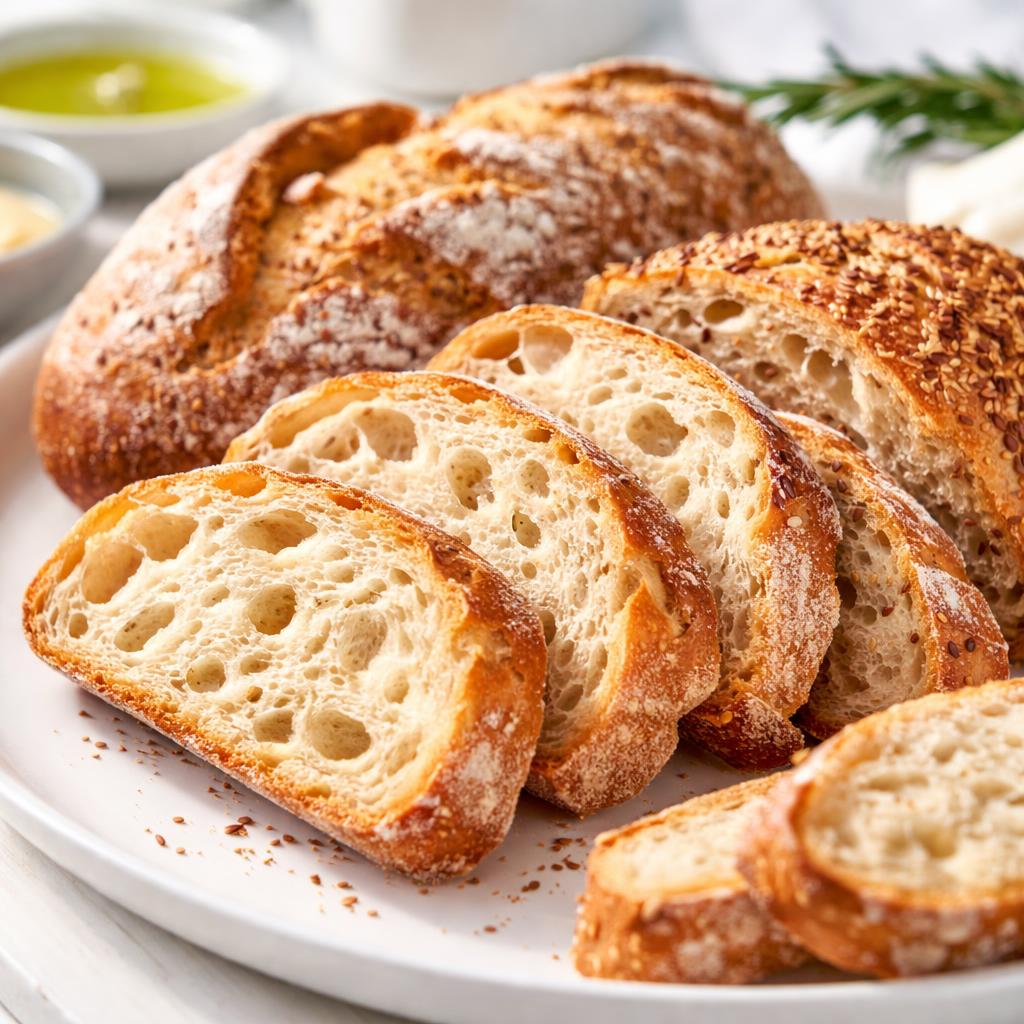
Bread
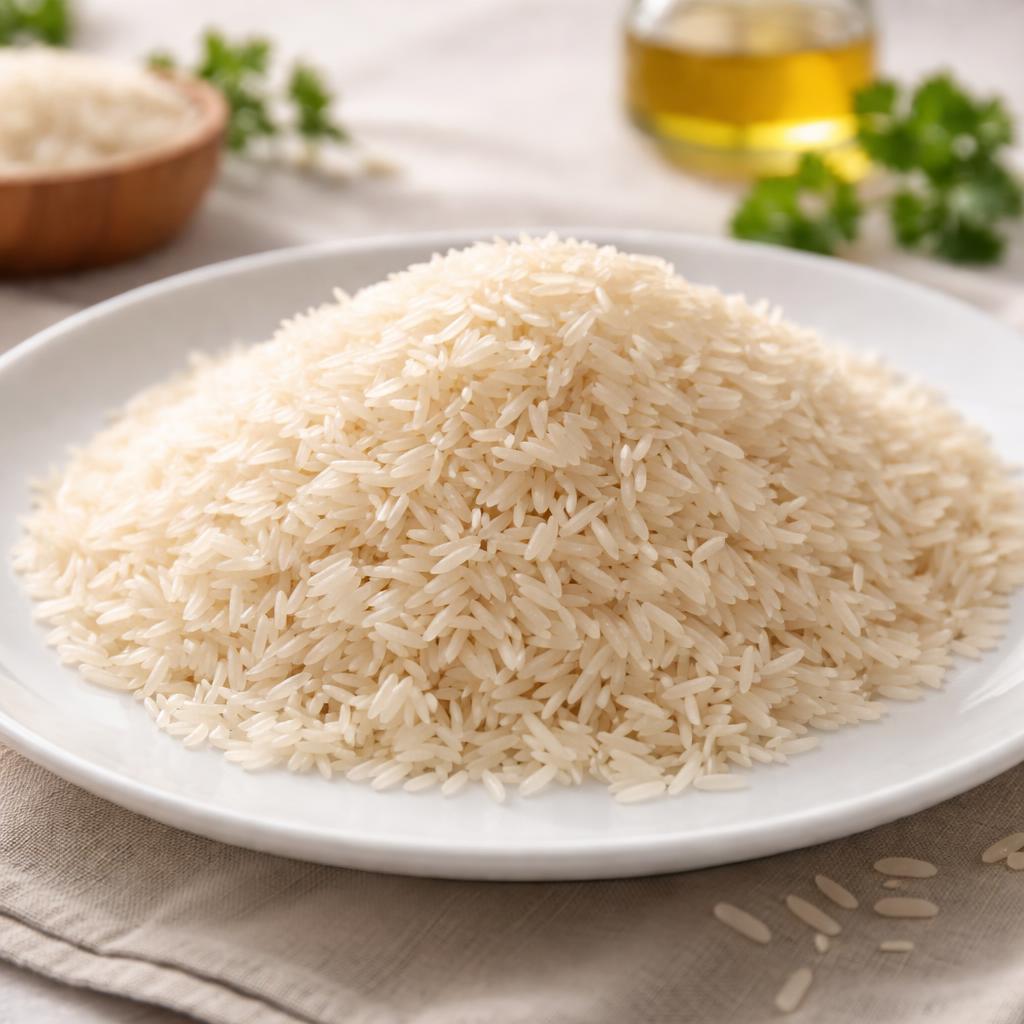
Raw Rice
🎯 Quick Verdict
Bread offers more protein, fiber, and fewer calories per serving compared to raw rice, making it better suited for those focusing on weight management and muscle maintenance. On the other hand, raw rice is calorie-dense and higher in carbohydrates, ideal for energy needs and replenishing glycogen stores during intense physical activity.

Smart Nutrition Tracking with SnapCalorie

📊 Nutritional Comparison
Macronutrients
| Nutrient | Food 1 | Food 2 | Winner |
|---|---|---|---|
| Calories | 80 calories (1 slice, ~40g) | 130 calories (raw, ~40g) | ✓ |
| Protein | 3g | 2.5g | ✓ |
| Carbs | 13g | 28g | ✓ |
| Fat | 0.8g | 0.3g | ✓ |
| Fiber | 1.5g | 0.4g | ✓ |
Vitamins & Minerals
| Nutrient | Food 1 | Food 2 | Winner |
|---|---|---|---|
| Vitamin B1 (Thiamine) | 0.1mg | 0.03mg | ✓ |
| Iron | 0.7mg | 0.2mg | ✓ |
| Calcium | 20mg | 5mg | ✓ |
🏆 Category Winners
Protein
Bread contains about 20% more protein per serving than raw rice.
Fiber
Bread has over 3 times more fiber, aiding digestion.
Calories
Bread has nearly 40% fewer calories per 40g serving compared to raw rice.
🥗 Diet Compatibility
Keto
Food 1: Not Compatible
Food 2: Not Compatible
Both foods are high in carbohydrates and unsuitable for keto.
Vegan
Food 1: Compatible
Food 2: Compatible
Both foods are plant-based and vegan-friendly.
Gluten Free
Food 1: Not Compatible
Food 2: Compatible
Bread typically contains gluten, whereas raw rice is naturally gluten-free.
Paleo
Food 1: Not Compatible
Food 2: Compatible
Bread is processed and not paleo-friendly; raw rice fits paleo standards.
Low-Carb
Food 1: Not Compatible
Food 2: Not Compatible
Both foods are carbohydrate-rich and unsuitable for low-carb diets.
💪 Health Benefits Comparison
Food 1 Benefits
- Provides more protein for muscle maintenance and repair.
- Higher fiber content supports digestive health.
- Fortified varieties may offer added vitamins like B12.
Food 2 Benefits
- A dense carbohydrate source to replenish energy stores.
- Low in fat, making it suitable for heart-healthy diets.
- Naturally gluten-free, ideal for individuals with gluten sensitivities.
✅ The Bottom Line
Bread is the better choice for weight management and protein intake, as well as for a quick snack or light meal. Raw rice, being calorie-dense and rich in carbohydrates, is ideal for individuals with higher energy demands, such as athletes or those seeking sustained energy levels.
Choose Food 1 for: Quick snacks, weight loss, protein-focused diets
Choose Food 2 for: High-carb diets, energy replenishment, gluten-free needs


