Bread VS Purple Rice
A detailed nutritional comparison
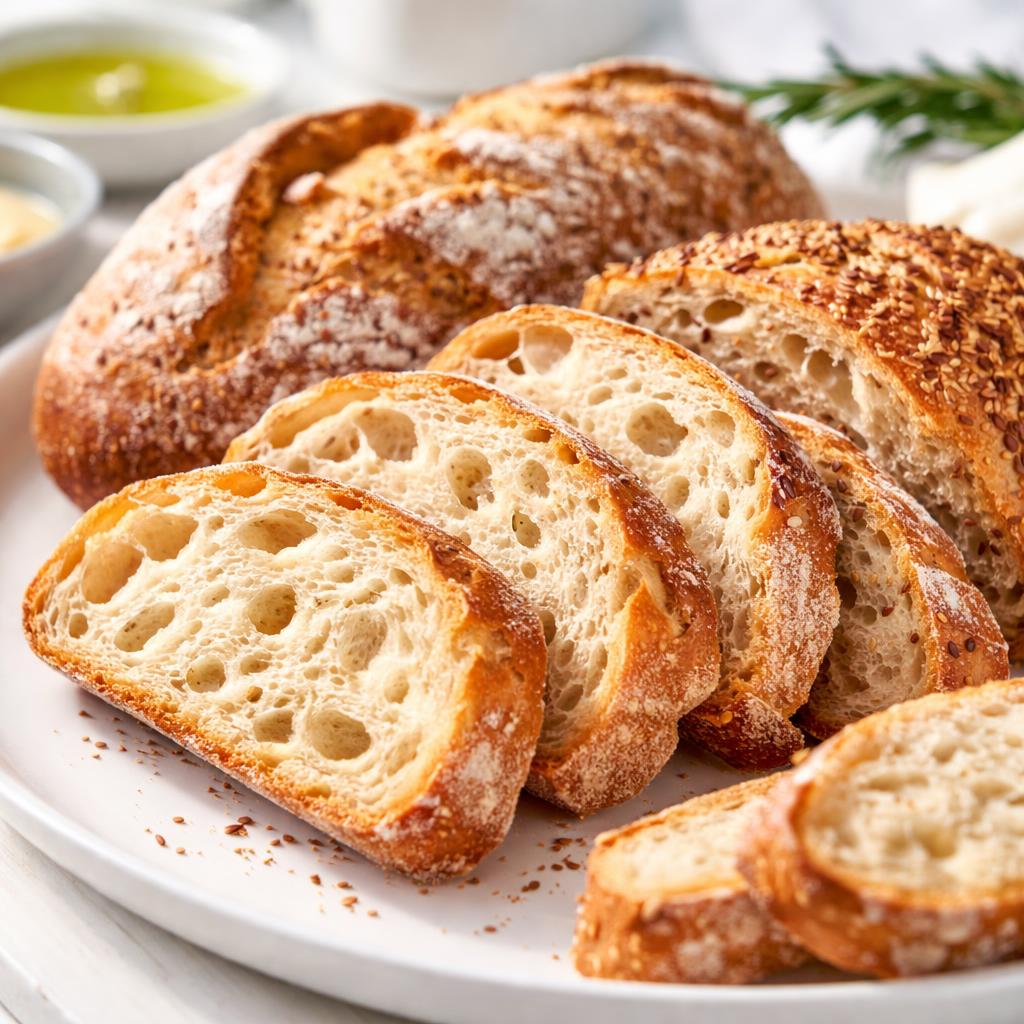
Bread
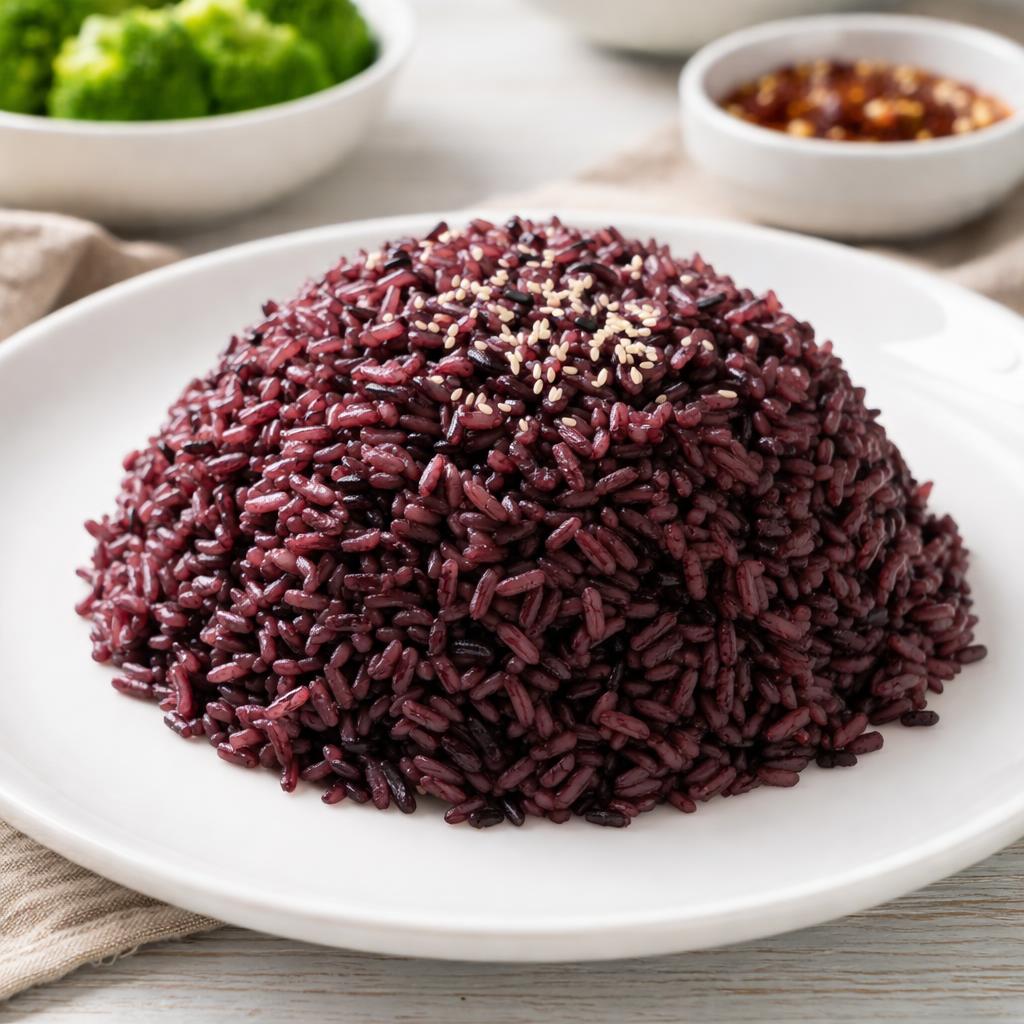
Purple Rice
🎯 Quick Verdict
Bread is lower in calories but offers less fiber compared to purple rice, which is rich in nutrients and antioxidants. Purple rice is more nutrient-dense and better for fiber intake, while bread can be ideal for a quick, convenient carbohydrate source. Choose based on your dietary goals and preferences.

Smart Nutrition Tracking with SnapCalorie

📊 Nutritional Comparison
Macronutrients
| Nutrient | Food 1 | Food 2 | Winner |
|---|---|---|---|
| Calories | 265 per 100g | 345 per 100g | ✓ |
| Protein | 9g per 100g | 9g per 100g | − |
| Carbs | 49g per 100g | 75g per 100g | ✓ |
| Fat | 4g per 100g | 1.5g per 100g | ✓ |
| Fiber | 2.6g per 100g | 4.5g per 100g | ✓ |
Vitamins & Minerals
| Nutrient | Food 1 | Food 2 | Winner |
|---|---|---|---|
| Vitamin B1 (Thiamine) | 0.06mg per 100g | 0.22mg per 100g | ✓ |
| Folate | 25mcg per 100g | 0.5mcg per 100g | ✓ |
| Iron | 4.2mg per 100g | 1.7mg per 100g | ✓ |
🏆 Category Winners
Protein
Both bread and purple rice provide equivalent protein (9g per 100g).
Fiber
Purple rice contains nearly twice as much fiber as bread per 100g.
Calories
Bread has 23% fewer calories compared to purple rice.
🥗 Diet Compatibility
Keto
Food 1: Not Compatible
Food 2: Not Compatible
Both foods are high in carbohydrates.
Vegan
Food 1: Compatible
Food 2: Compatible
Both bread and purple rice are plant-based.
Gluten Free
Food 1: Not Compatible
Food 2: Compatible
Bread typically contains gluten; purple rice does not.
Paleo
Food 1: Not Compatible
Food 2: Compatible
Bread is processed and not paleo-friendly; purple rice is minimally processed and fits paleo diets.
Low Carb
Food 1: Not Compatible
Food 2: Not Compatible
Both bread and purple rice are high-carb foods and not suitable for low-carb diets.
💪 Health Benefits Comparison
Food 1 Benefits
- Convenient carbohydrate source for energy
- Provides iron for oxygen transport in the body
- Contains folate for cell growth and maintenance
Food 2 Benefits
- Rich in fiber for digestive health
- Contains antioxidants that fight free radicals
- Provides Vitamin B1 for energy metabolism
✅ The Bottom Line
Bread is a convenient, lower-calorie option suitable for quick meals, while purple rice offers superior fiber and micronutrient density, making it better for long-term health and digestion. Choose bread for convenience and controlled calorie intake, and choose purple rice for nutrient-rich, fiber-filled meals.
Choose Food 1 for: Quick meals, moderate calorie diets, iron intake
Choose Food 2 for: Fiber-rich diets, paleo-friendly meals, antioxidant support


