Bread VS Prunes
A detailed nutritional comparison
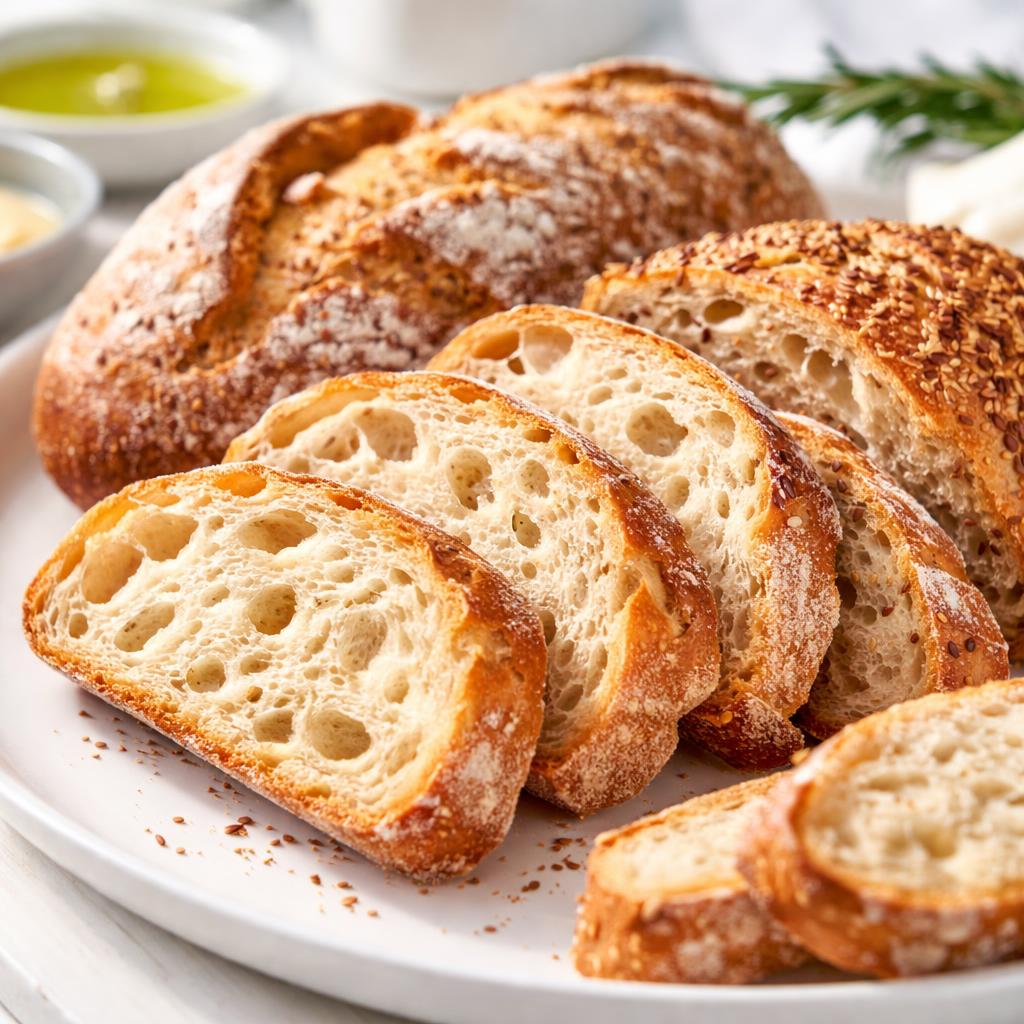
Bread
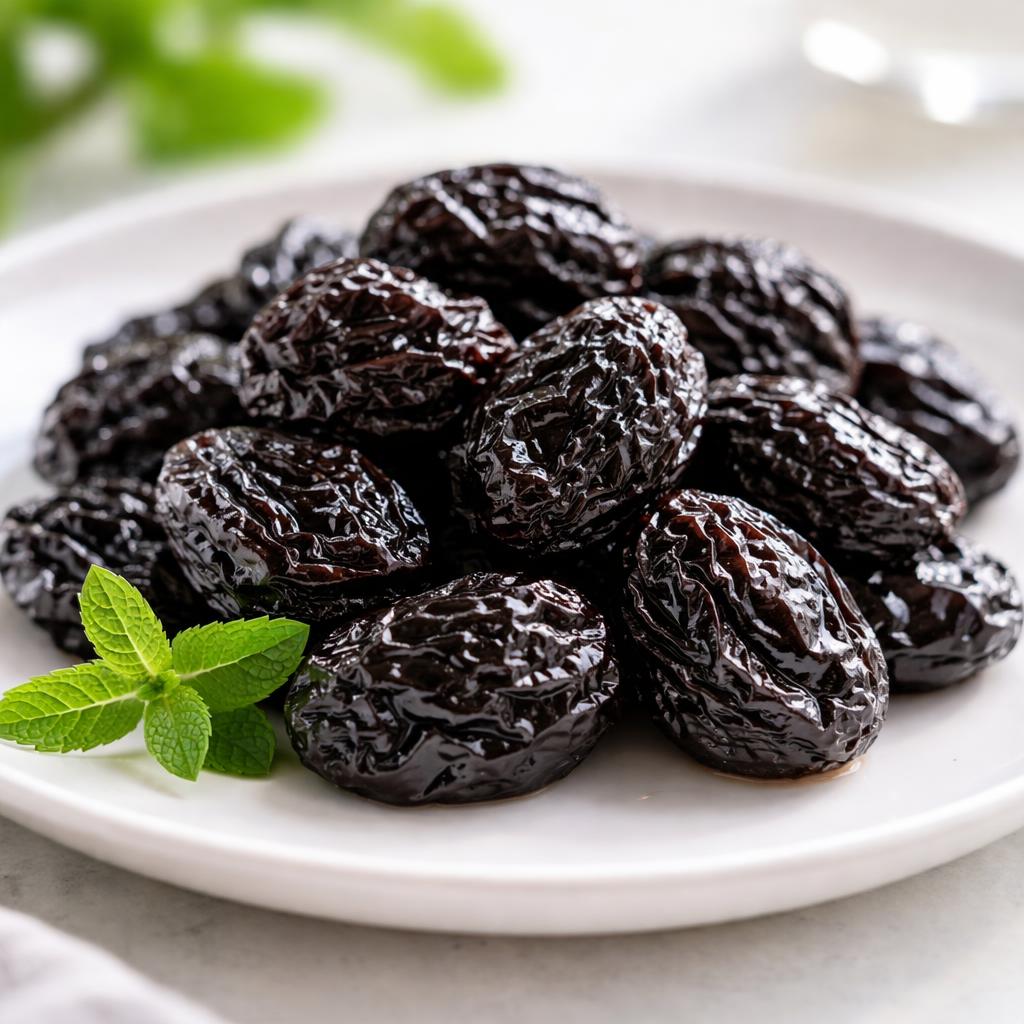
Prunes
🎯 Quick Verdict
Bread is rich in protein and provides balanced macronutrients, making it a versatile staple food, but prunes excel in fiber, lower calorie density, and micronutrients like potassium and vitamin A. Bread suits active lifestyles, while prunes are great for digestive health and snacking on the go.

Smart Nutrition Tracking with SnapCalorie

📊 Nutritional Comparison
Macronutrients
| Nutrient | Food 1 | Food 2 | Winner |
|---|---|---|---|
| Calories | 265 per 100g | 240 per 100g | ✓ |
| Protein | 9g | 2g | ✓ |
| Carbs | 49g | 64g | ✓ |
| Fat | 3.5g | 0g | ✓ |
| Fiber | 2.7g | 7g | ✓ |
Vitamins & Minerals
| Nutrient | Food 1 | Food 2 | Winner |
|---|---|---|---|
| Vitamin A | 2mcg | 781mcg | ✓ |
| Vitamin C | 0mg | 0.6mg | ✓ |
| Potassium | 115mg | 732mg | ✓ |
🏆 Category Winners
Protein
Bread contains more protein, making it better for muscle maintenance.
Fiber
Prunes provide over 2.5 times more fiber, benefiting digestion.
Calories
Prunes are slightly lower in calorie density.
Vitamins
Prunes are rich in potassium and vitamin A, which bread lacks.
🥗 Diet Compatibility
Keto
Food 1: Not Compatible
Food 2: Not Compatible
Both have high carbohydrate content.
Vegan
Food 1: Compatible
Food 2: Compatible
Both are plant-based foods.
Gluten Free
Food 1: Not Compatible
Food 2: Compatible
Bread contains gluten, but prunes do not.
Paleo
Food 1: Not Compatible
Food 2: Compatible
Bread is a processed food, while prunes align with paleo principles.
Low-Carb
Food 1: Not Compatible
Food 2: Not Compatible
Both foods contain a high carbohydrate load per serving.
💪 Health Benefits Comparison
Food 1 Benefits
- Good source of protein for energy and metabolism
- Provides carbohydrates for sustained energy
- Contains some essential minerals like selenium and manganese
Food 2 Benefits
- High fiber content supports digestive health
- Rich in potassium for heart and muscle function
- Contains antioxidants that may reduce inflammation
✅ The Bottom Line
Bread is an excellent choice for those needing a versatile and filling carbohydrate-rich food, particularly for active lifestyles, whereas prunes are better suited for improving digestion, snacking, and providing vital micronutrients. Choose bread for meals and prunes for nutrient-dense snacking.
Choose Food 1 for: Energy during physical activity, muscle maintenance, meal staples
Choose Food 2 for: Digestive health, heart health, portable nutrient-dense snacks


