Bread VS Pesto
A detailed nutritional comparison
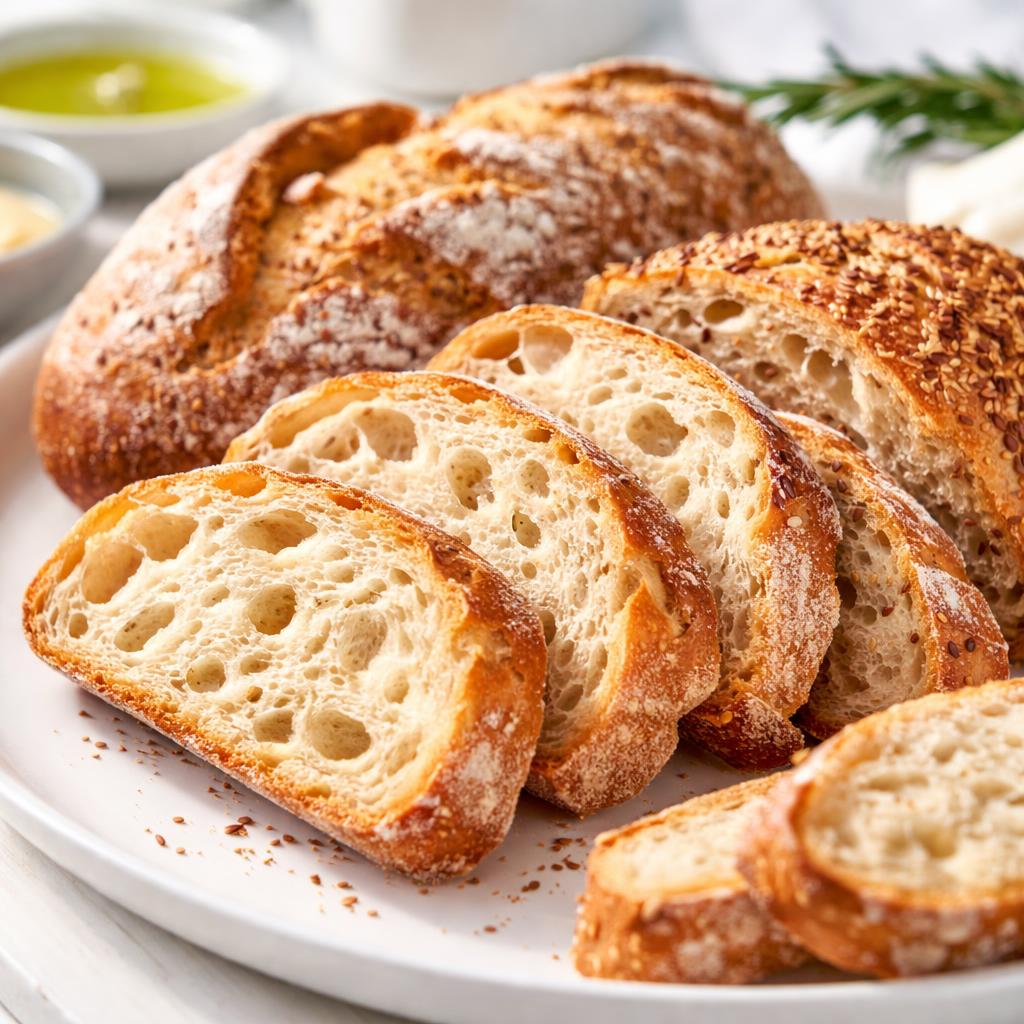
Bread
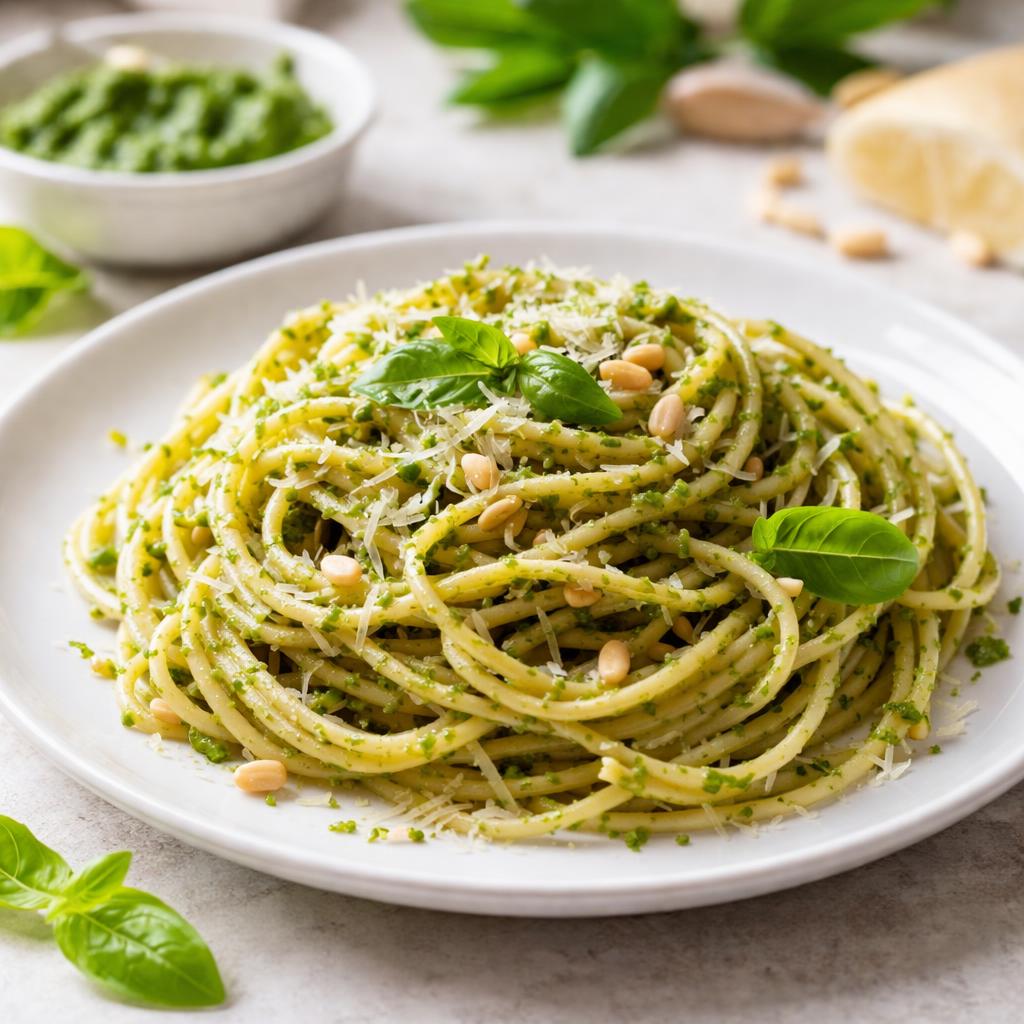
Pesto
🎯 Quick Verdict
Bread provides higher protein, fiber, and carbohydrates, making it ideal as an energy source or a base for meals. Pesto is calorie-dense due to its healthy fats and offers significant vitamins and minerals, making it a nutrient-packed condiment or spread. Both foods serve different purposes based on their nutritional profiles.

Smart Nutrition Tracking with SnapCalorie

📊 Nutritional Comparison
Macronutrients
| Nutrient | Food 1 | Food 2 | Winner |
|---|---|---|---|
| Calories | 265 (per slice, 100g) | 240 (per 2 tbsp, 30g) | − |
| Protein | 9g | 6g | − |
| Carbs | 49g | 4g | − |
| Fat | 3g | 20g | − |
| Fiber | 2g | 0.8g | − |
Vitamins & Minerals
| Nutrient | Food 1 | Food 2 | Winner |
|---|---|---|---|
| Vitamin D | 0mcg | 1mcg | − |
| Calcium | 26mg | 70mg | − |
| Iron | 2.7mg | 0.4mg | − |
🏆 Category Winners
Protein
Bread offers 50% more protein compared to pesto per typical serving.
Fiber
Bread contains more fiber, aiding digestion and satiety.
Calories
Pesto has fewer calories per serving than bread.
Vitamins
Pesto provides higher levels of Vitamin D and Calcium.
🥗 Diet Compatibility
Keto
Food 1: Not Compatible
Food 2: Compatible
Pesto is low-carb, while bread is high in carbs.
Vegan
Food 1: Not Always Compatible
Food 2: Not Always Compatible
Bread and pesto may contain dairy or non-vegan additives depending on preparation.
Gluten Free
Food 1: Not Compatible
Food 2: Compatible
Bread contains gluten unless specified as gluten-free; pesto is naturally gluten-free.
Paleo
Food 1: Not Compatible
Food 2: Compatible
Bread is not paleo-friendly due to grains; pesto is generally paleo-friendly if made with clean ingredients.
Low Carb
Food 1: Not Compatible
Food 2: Compatible
Bread is high in carbs, while pesto is low in carbs and high in healthy fats.
💪 Health Benefits Comparison
Food 1 Benefits
- Provides a good source of energy due to high complex carb content
- Contains fiber to support digestion
- Offers iron for red blood cell formation
Food 2 Benefits
- Rich in healthy fats to support heart and brain health
- Contains antioxidants like basil and garlic for reducing inflammation
- Provides Vitamin D and Calcium for bone health
✅ The Bottom Line
If you need an energy-dense, filling base for your meal, bread is the better option. Pesto is ideal as a flavorful, nutrient-dense condiment for boosting vitamins and healthy fats. Use bread for sustained energy and pesto for enhancing nutrient diversity.
Choose Food 1 for: Energy boosts, meal bases, balanced diets
Choose Food 2 for: Flavor enhancement, heart health, nutrient density


