Bread VS Panini
A detailed nutritional comparison
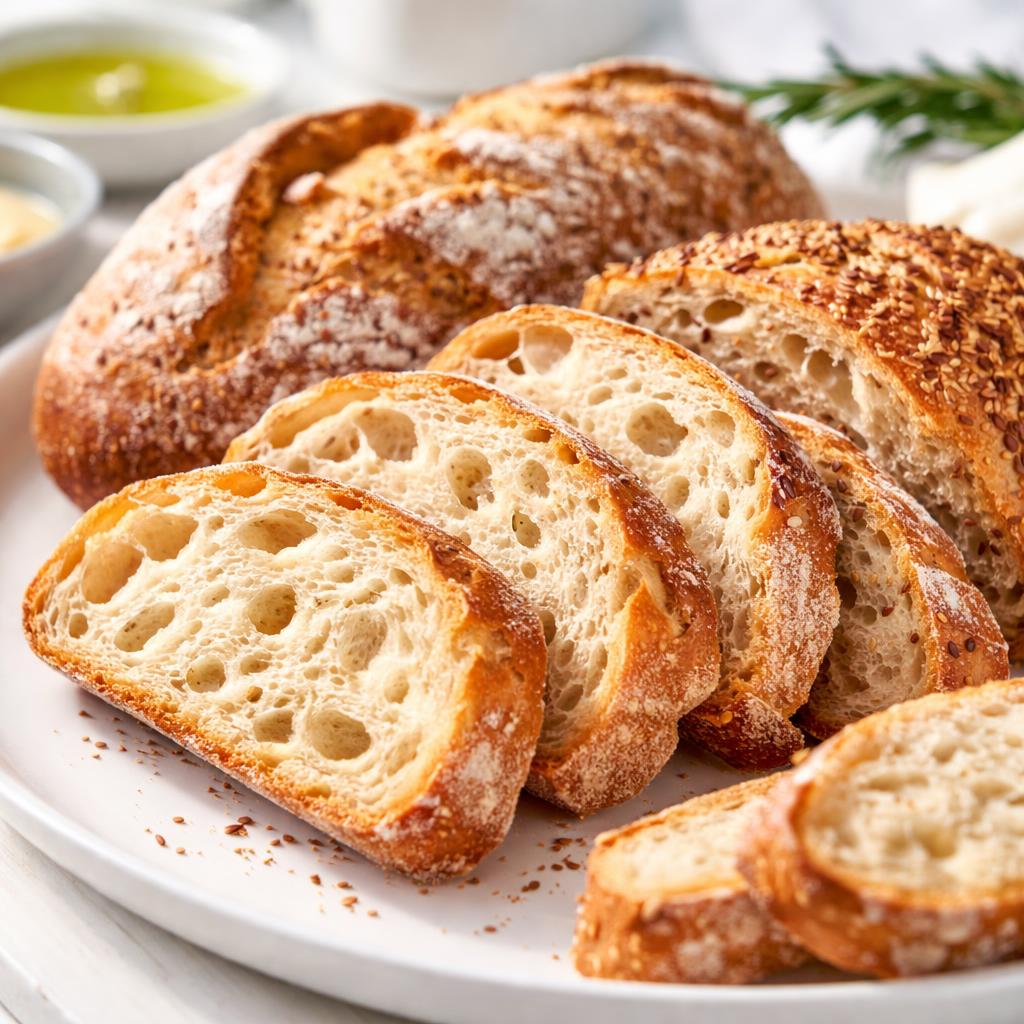
Bread
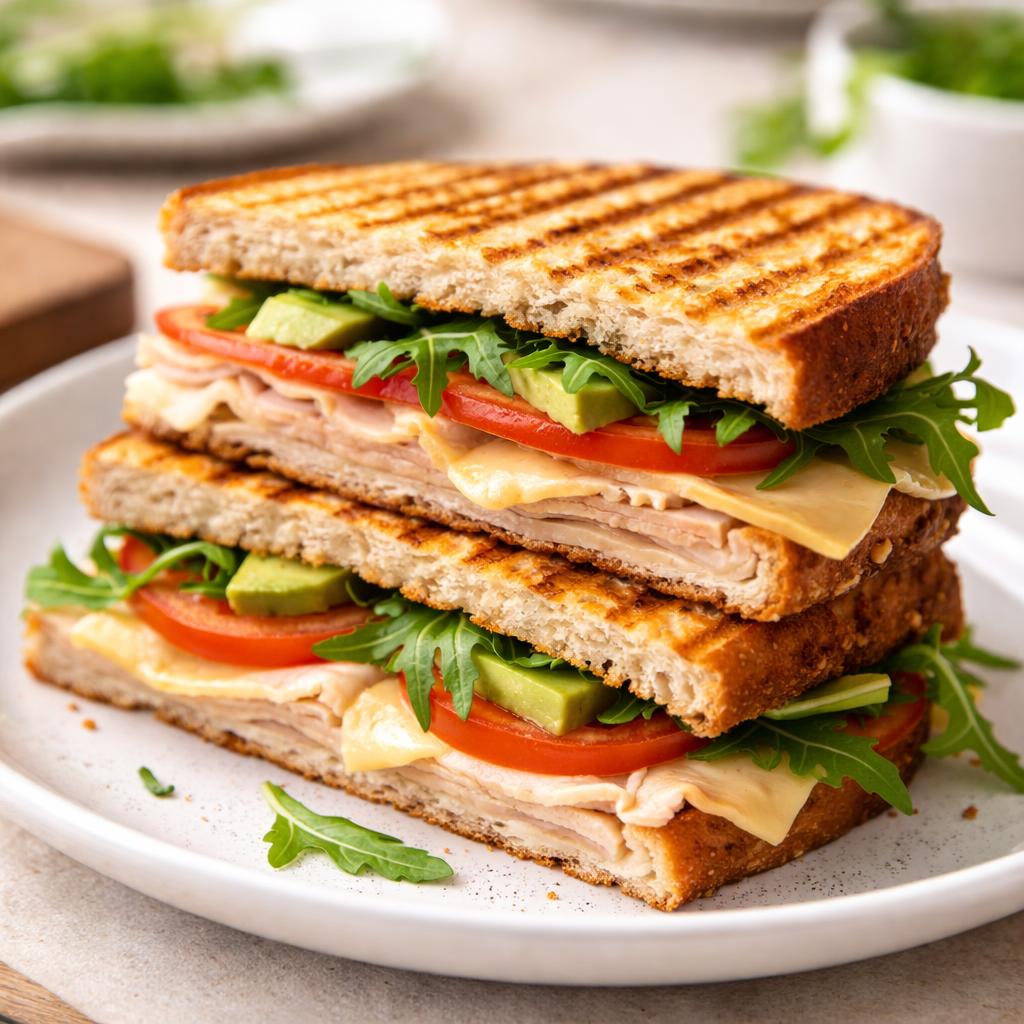
Panini
🎯 Quick Verdict
Bread is lower in calories and provides more fiber, making it a better choice for those seeking weight management and digestive health. Panini, while slightly higher in calories, offers more protein per serving, suitable for muscle maintenance. Bread works well for lighter meals, whereas panini provides a heartier option for more energy and satiety.

Smart Nutrition Tracking with SnapCalorie

📊 Nutritional Comparison
Macronutrients
| Nutrient | Food 1 | Food 2 | Winner |
|---|---|---|---|
| Calories | 80 per slice | 250 per panini | ✓ |
| Protein | 3g | 9g | ✓ |
| Carbs | 15g | 30g | ✓ |
| Fat | 1g | 8g | ✓ |
| Fiber | 2g | 1g | ✓ |
Vitamins & Minerals
| Nutrient | Food 1 | Food 2 | Winner |
|---|---|---|---|
| Vitamin D | 0mcg | 0mcg | − |
| Calcium | 70mg | 80mg | ✓ |
| Iron | 0.5mg | 1mg | ✓ |
🏆 Category Winners
Protein
Panini offers three times more protein compared to bread, ideal for building and repairing muscles.
Fiber
Bread contains twice as much fiber, beneficial for digestive health.
Calories
Bread contains significantly fewer calories, supporting weight loss efforts.
🥗 Diet Compatibility
Keto
Food 1: Not Compatible
Food 2: Not Compatible
Both foods are high in carbs and not suitable for keto diets.
Vegan
Food 1: Compatible
Food 2: Compatible
Both foods can be vegan depending on specific recipes and ingredients used.
Gluten Free
Food 1: Not Compatible
Food 2: Not Compatible
Both contain gluten unless gluten-free versions are selected.
Paleo
Food 1: Not Compatible
Food 2: Not Compatible
Grain-based foods like bread and panini are not allowed on paleo diets.
Low Carb
Food 1: Not Compatible
Food 2: Not Compatible
Both foods have a high carbohydrate content per serving.
💪 Health Benefits Comparison
Food 1 Benefits
- Low in calories, supporting weight management
- Contains fiber for better digestive health
- Fat content is minimal, making it heart-healthy in moderation
Food 2 Benefits
- High protein content for muscle development and maintenance
- Provides good energy with balanced carbs and fats
- Rich in minerals like calcium and iron for bone health and oxygen transport
✅ The Bottom Line
Bread is better for those prioritizing lower calorie intake and digestive benefits, while panini works well as a protein-rich meal for energy and satiety. Bread fits light meals and snacks, whereas panini is ideal for more substantial, satisfying meals.
Choose Food 1 for: Weight management, light snacks, fiber intake
Choose Food 2 for: Post-workout meals, protein needs, hearty lunch options


