Bread VS Multigrain Bread
A detailed nutritional comparison

Bread
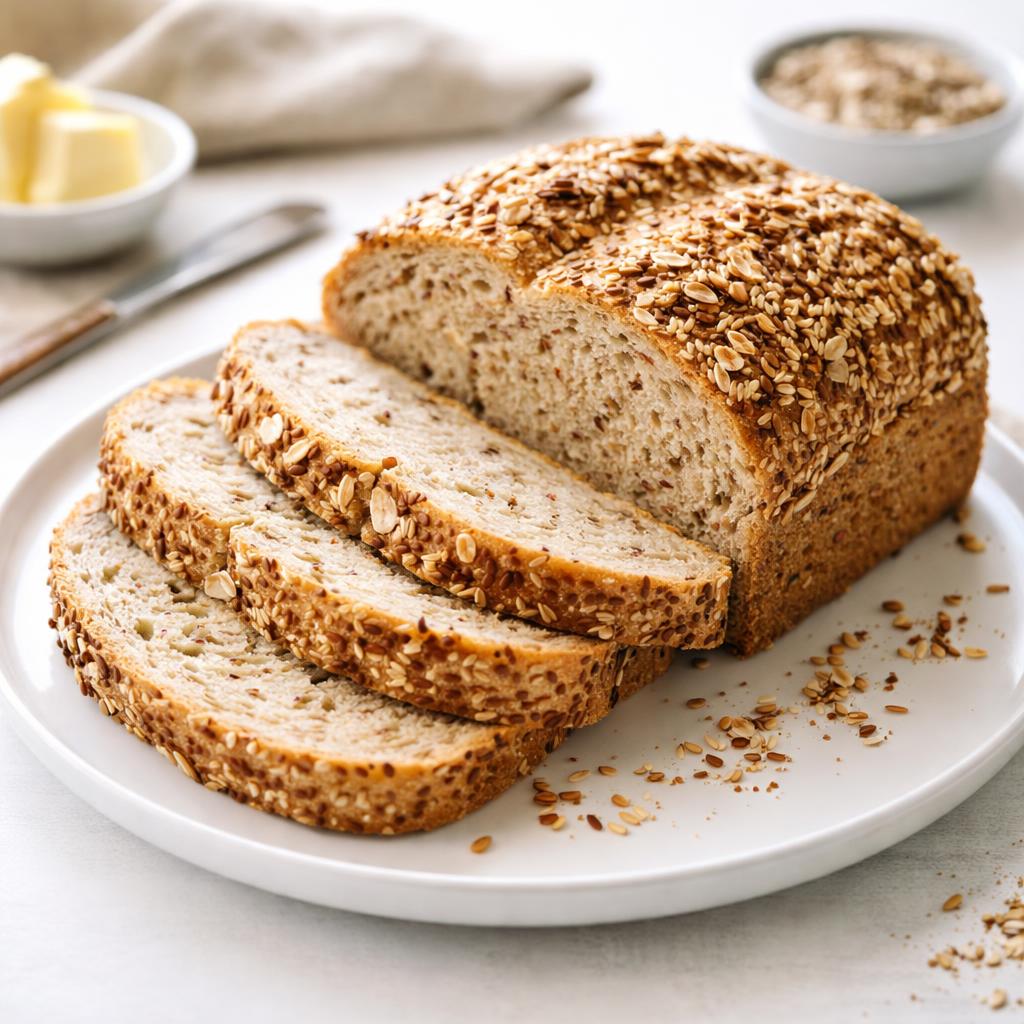
Multigrain Bread
🎯 Quick Verdict
Multigrain bread offers slightly higher protein and significantly more fiber than regular bread, making it a more nutrient-dense choice. Both are similar in calories, but multigrain bread often includes additional vitamins and minerals. Regular bread may suffice for simpler meals or lighter carbohydrate needs, while multigrain bread suits health-focused diets and greater satiety.

Smart Nutrition Tracking with SnapCalorie

📊 Nutritional Comparison
Macronutrients
| Nutrient | Food 1 | Food 2 | Winner |
|---|---|---|---|
| Calories | 80 per slice | 80 per slice | − |
| Protein | 2g | 3g | − |
| Carbs | 15g | 14g | − |
| Fat | 1g | 1.5g | − |
| Fiber | 1g | 3g | − |
Vitamins & Minerals
| Nutrient | Food 1 | Food 2 | Winner |
|---|---|---|---|
| Vitamin D | 0mcg | 0mcg | − |
| Calcium | 20mg | 40mg | − |
| Iron | 0.5mg | 0.8mg | − |
🏆 Category Winners
Protein
Multigrain bread provides 50% more protein per slice compared to regular bread.
Fiber
Multigrain bread contains three times more fiber per serving.
Calories
Both regular bread and multigrain bread have equal calorie content, 80 calories per slice.
Vitamins
Multigrain bread contains higher amounts of Calcium and Iron.
🥗 Diet Compatibility
Keto
Food 1: Not Compatible
Food 2: Not Compatible
Both are high in carbohydrates and unsuitable for keto diets.
Vegan
Food 1: Compatible
Food 2: Compatible
Both are plant-based depending on the ingredients used.
Gluten Free
Food 1: Not Compatible
Food 2: Not Compatible
Neither is gluten-free unless specified.
Paleo
Food 1: Not Compatible
Food 2: Not Compatible
Bread is not allowed on the paleo diet.
Low Carb
Food 1: Not Compatible
Food 2: Not Compatible
Both have significant carbohydrate content, exceeding typical low-carb limits.
💪 Health Benefits Comparison
Food 1 Benefits
- Quick energy source with carbohydrates
- Affordable and widely available staple
- Neutral flavor for flexible meal pairing
Food 2 Benefits
- Higher fiber content supports digestion and satiety
- More protein aids muscle maintenance
- Extra nutrients like calcium and iron promote bone and blood health
✅ The Bottom Line
Choose multigrain bread for improved fiber, protein, and nutrient content—ideal for health-conscious diets or anyone aiming for longer satiety. Regular bread is better suited for simpler meals, lighter carbohydrate needs, or those on a budget.
Choose Food 1 for: Basic meals, quick snacks, affordability
Choose Food 2 for: Nutrition-focused diets, digestion, longer satiety


