Bread VS Muesli
A detailed nutritional comparison
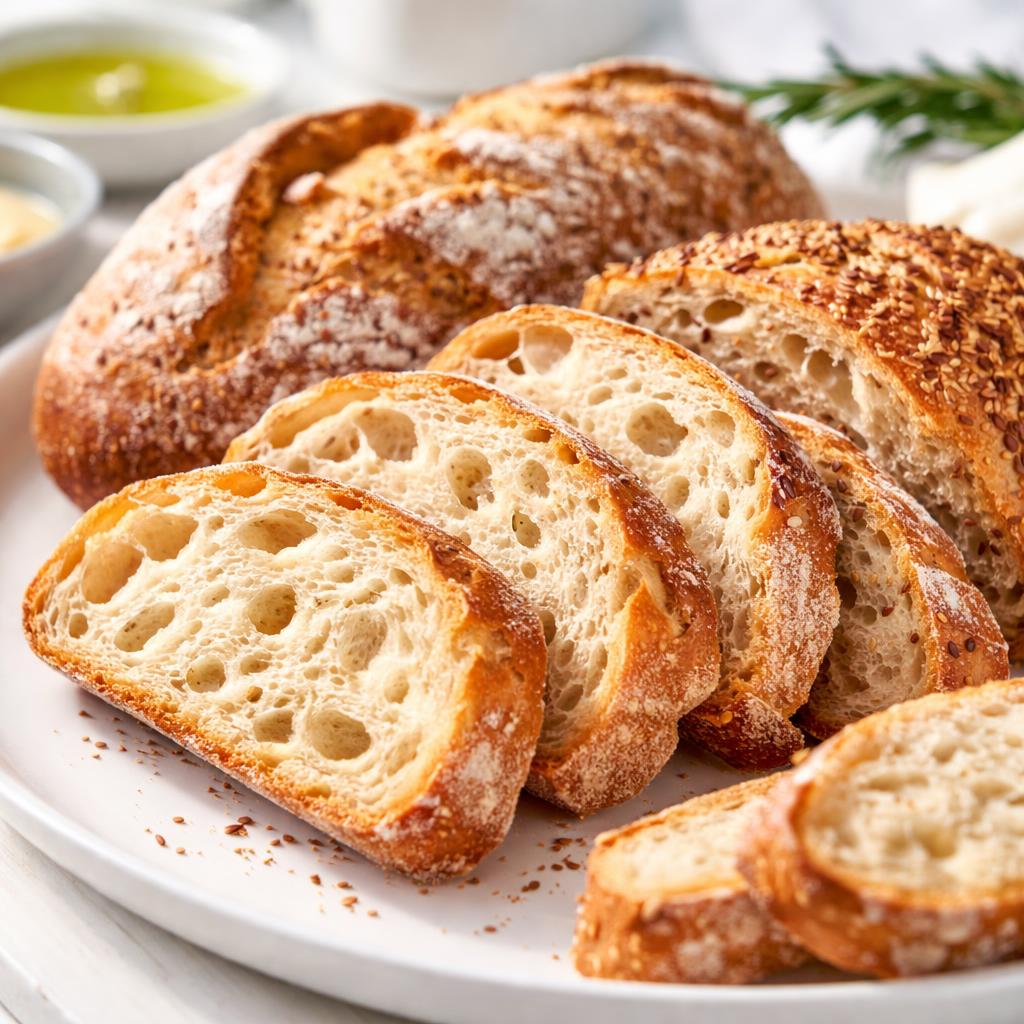
Bread
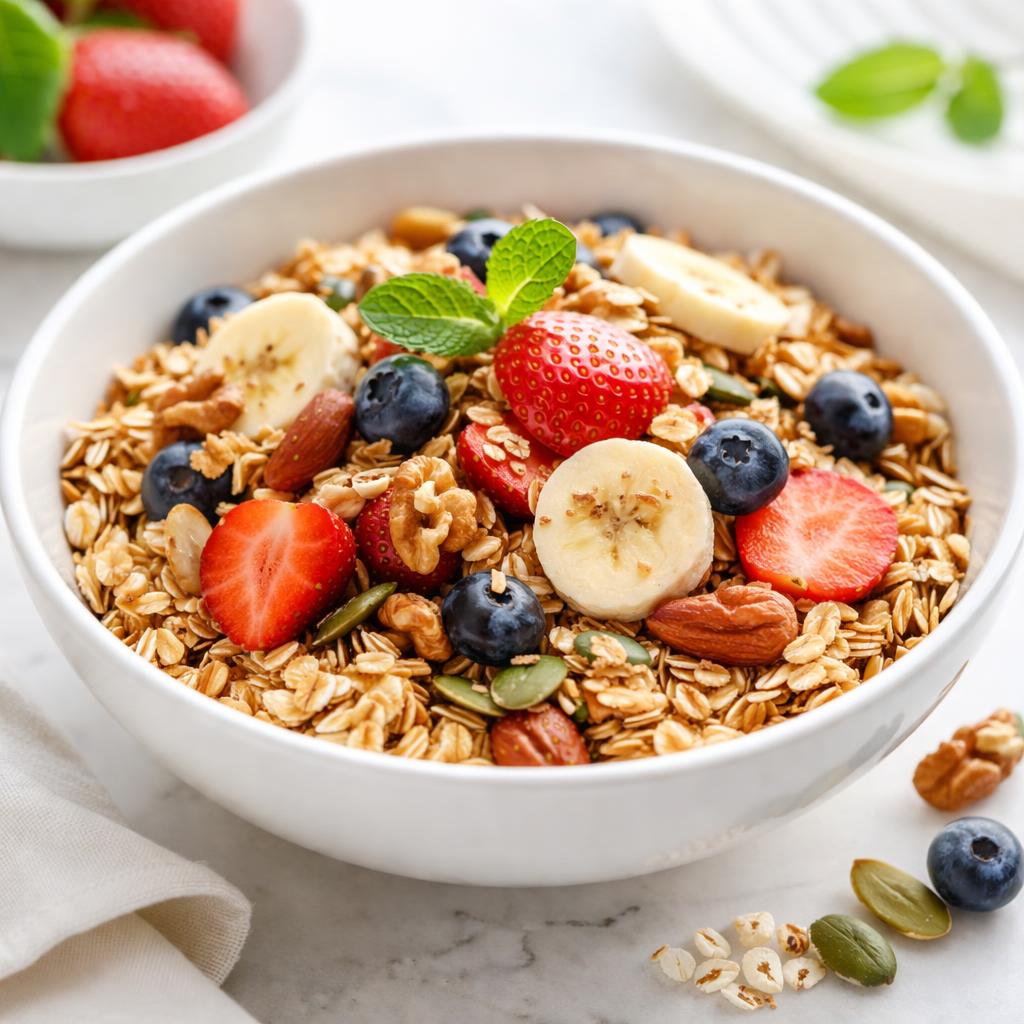
Muesli
🎯 Quick Verdict
Bread and muesli differ significantly in their nutritional profiles. Muesli is higher in protein, fiber, and vitamins, making it a nutrient-dense choice, while bread is lower in calories, ideal for those monitoring calorie intake. Bread is best for quick energy, while muesli suits balanced and sustained nutrition, especially as breakfast or a snack.

Smart Nutrition Tracking with SnapCalorie

📊 Nutritional Comparison
Macronutrients
| Nutrient | Food 1 | Food 2 | Winner |
|---|---|---|---|
| Calories | 75 kcal (per slice, 30g) | 150 kcal (per 40g serving) | ✓ |
| Protein | 2g | 5g | ✓ |
| Carbs | 14g | 30g | ✓ |
| Fat | 0.5g | 5g | ✓ |
| Fiber | 0.6g | 4g | ✓ |
Vitamins & Minerals
| Nutrient | Food 1 | Food 2 | Winner |
|---|---|---|---|
| Vitamin D | 0mcg | 1mcg | ✓ |
| Calcium | 20mg | 50mg | ✓ |
| Iron | 0.5mg | 2mg | ✓ |
🏆 Category Winners
Protein
Muesli contains 150% more protein per serving compared to bread.
Fiber
Muesli is higher in fiber with 4g per serving, supporting better digestion.
Calories
Bread has 50% fewer calories per serving, suitable for calorie-conscious diets.
Vitamins
Muesli offers significantly more micronutrients such as iron and calcium.
🥗 Diet Compatibility
Keto
Food 1: Not Compatible
Food 2: Not Compatible
Both foods are high in carbs.
Vegan
Food 1: Compatible
Food 2: Compatible
Both are plant-based and suitable for vegan diets.
Gluten Free
Food 1: Not Compatible
Food 2: Depends
Bread typically contains gluten, while muesli can be gluten-free if made from certified gluten-free oats.
Paleo
Food 1: Not Compatible
Food 2: Not Compatible
Neither food aligns with paleo guidelines as they are grain-based.
Low-Carb
Food 1: Not Compatible
Food 2: Not Compatible
Both are carb-dense foods.
💪 Health Benefits Comparison
Food 1 Benefits
- Provides quick energy from simple carbs
- Low in fat, suitable for light meals
- Easy to digest for sensitive stomachs
Food 2 Benefits
- High protein supports muscle maintenance
- Rich in fiber for improved digestion
- Contains healthy fats from nuts/seeds for heart health
- Provides important minerals like iron and calcium
✅ The Bottom Line
Choose bread if you need a low-calorie, quick energy source or a base for sandwiches. Pick muesli for a nutrient-dense, balanced option rich in protein, fiber, and healthy fats. Muesli works well as a hearty breakfast, while bread fits lighter meals or snacks.
Choose Food 1 for: Calorie-conscious diets, light snacks, quick energy
Choose Food 2 for: Balanced nutrition, sustained energy, breakfast or snack


