Bread VS Mozzarella Cheese
A detailed nutritional comparison
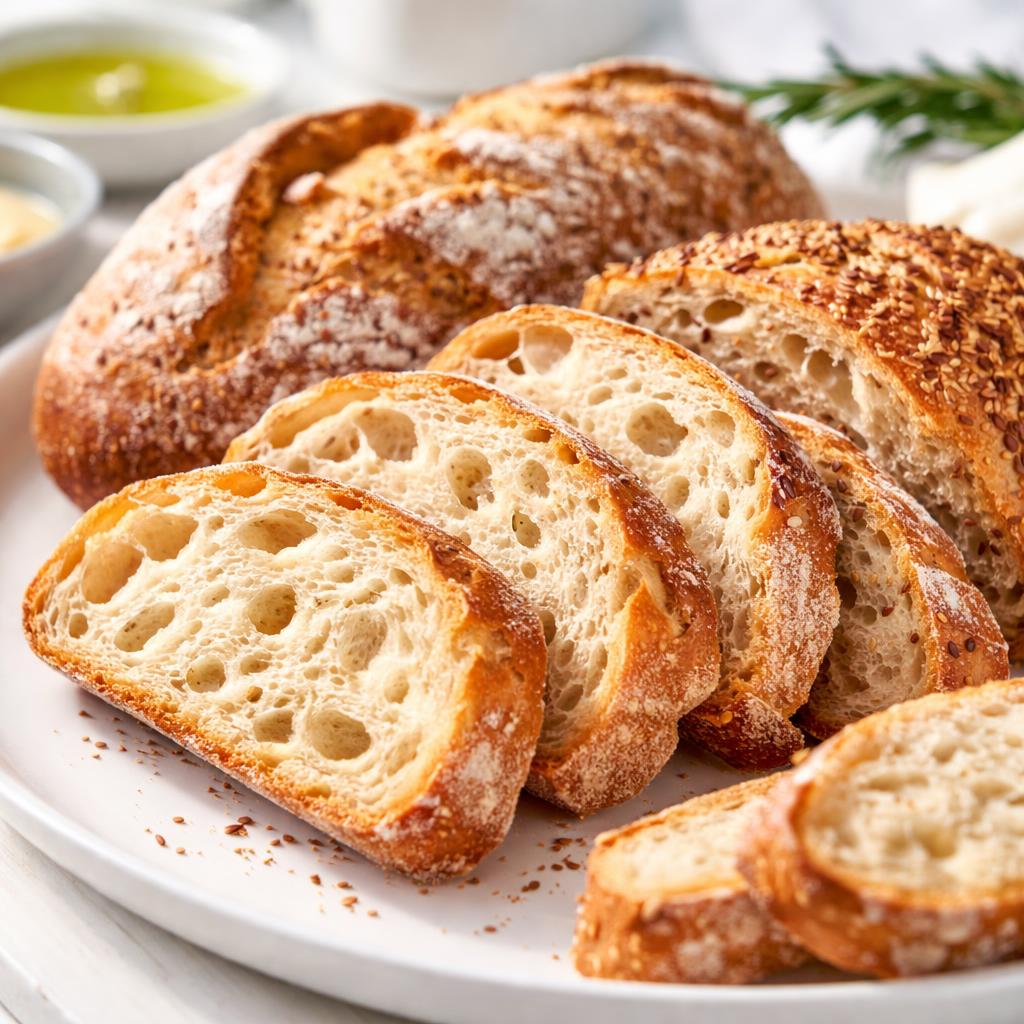
Bread
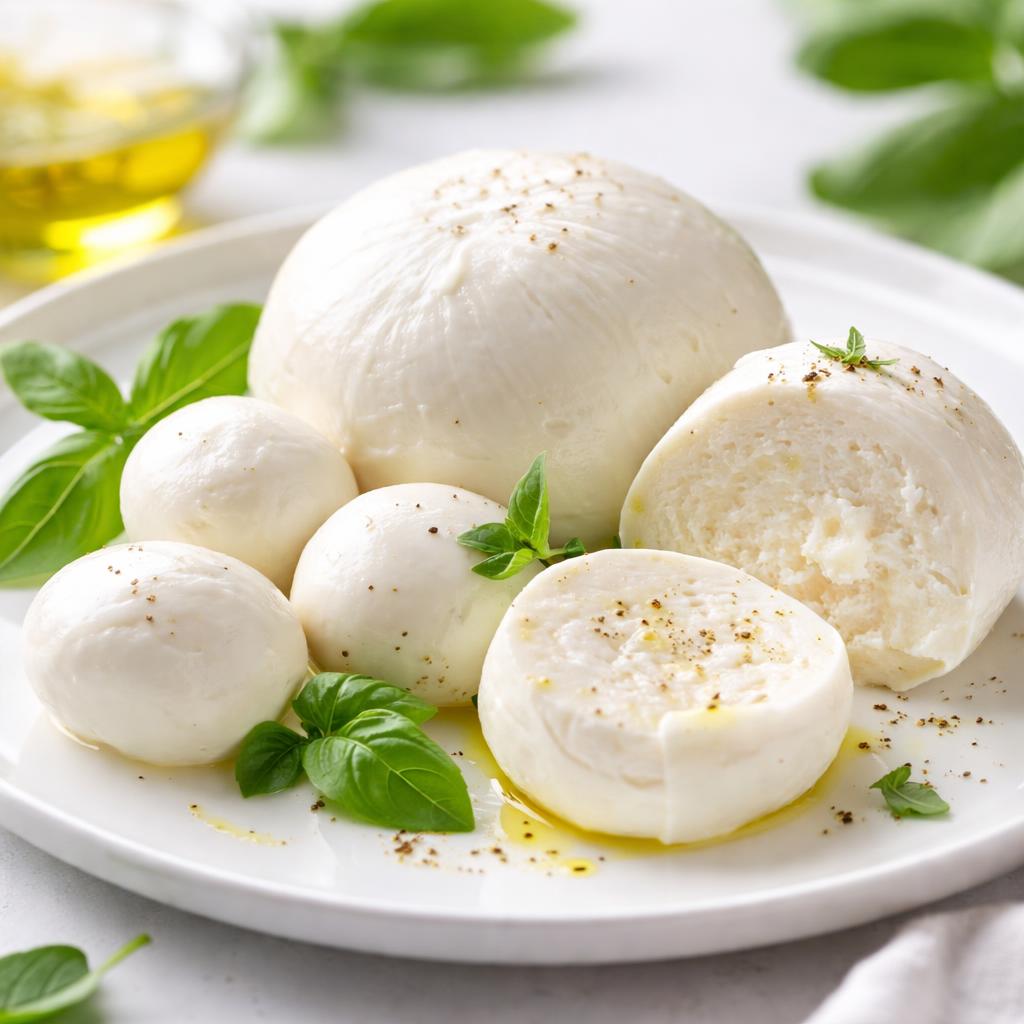
Mozzarella Cheese
🎯 Quick Verdict
Mozzarella cheese and bread differ greatly in their nutritional profiles. Mozzarella offers significantly more protein and fewer calories, making it a better choice for low-carb and high-protein diets. Bread, on the other hand, provides more fiber and carbohydrates, making it suitable for sustained energy and digestive health. Both can complement each other depending on dietary goals.

Smart Nutrition Tracking with SnapCalorie

📊 Nutritional Comparison
Macronutrients
| Nutrient | Food 1 | Food 2 | Winner |
|---|---|---|---|
| Calories | 265 (per 100g) | 280 (per 100g) | ✓ |
| Protein | 9g | 22g | ✓ |
| Carbs | 49g | 1g | ✓ |
| Fat | 3.2g | 21g | ✓ |
| Fiber | 2.7g | 0g | ✓ |
Vitamins & Minerals
| Nutrient | Food 1 | Food 2 | Winner |
|---|---|---|---|
| Vitamin D | 0mcg | 0.6mcg | ✓ |
| Calcium | 30mg | 505mg | ✓ |
| Iron | 3mg | 0.2mg | ✓ |
🏆 Category Winners
Protein
Mozzarella has over double the protein content compared to bread.
Fiber
Bread contains fiber, while mozzarella does not provide any.
Calories
Bread has slightly fewer calories than mozzarella per 100g serving.
🥗 Diet Compatibility
Keto
Food 1: Not Compatible
Food 2: Compatible
Mozzarella is low-carb (1g per 100g), whereas bread is high-carb (49g per 100g).
Vegan
Food 1: Compatible
Food 2: Not Compatible
Bread is plant-based, but mozzarella contains dairy.
Gluten Free
Food 1: Not Compatible
Food 2: Compatible
Bread typically contains gluten, but mozzarella is naturally gluten-free.
Paleo
Food 1: Not Compatible
Food 2: Not Compatible
Bread contains grains, and mozzarella is dairy-based, both of which are excluded from strict paleo diets.
Low Carb
Food 1: Not Compatible
Food 2: Compatible
Mozzarella has minimal carbohydrates, while bread is high in carbs.
💪 Health Benefits Comparison
Food 1 Benefits
- Offers carbohydrates for sustained energy
- Contains fiber for digestive health
- Provides iron to support healthy blood production
Food 2 Benefits
- High protein content for muscle growth and maintenance
- Rich in calcium for bone health
- Contains Vitamin D for improved calcium absorption
✅ The Bottom Line
Choosing between bread and mozzarella depends on your dietary goals. Opt for mozzarella if you're prioritizing protein, calcium, or a low-carb diet, while bread is better for energy and digestive health due to its fiber and carbohydrate content. Both can be included in moderation for a balanced diet.
Choose Food 1 for: Energy, digestion, vegan diets
Choose Food 2 for: High-protein diets, keto or low-carb diets, bone health


