Bread VS Mini Cucumber
A detailed nutritional comparison
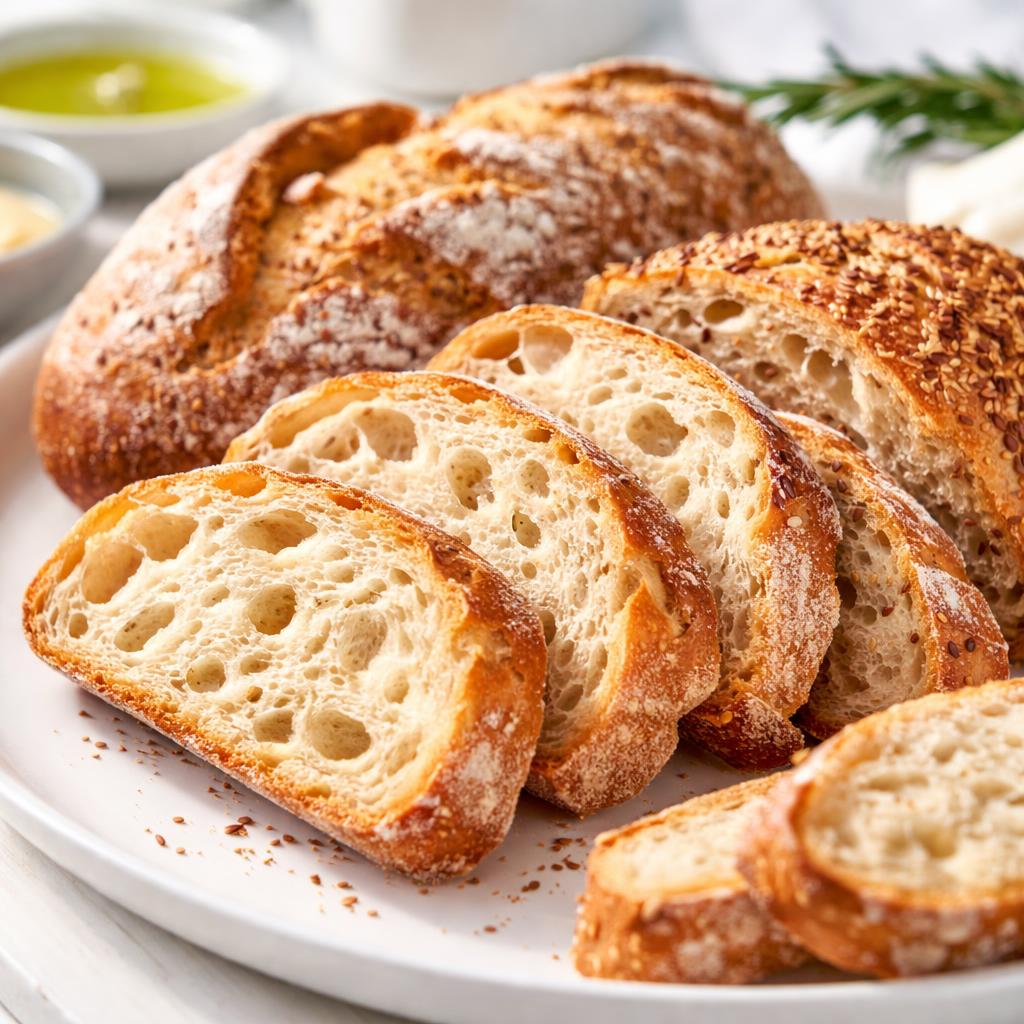
Bread
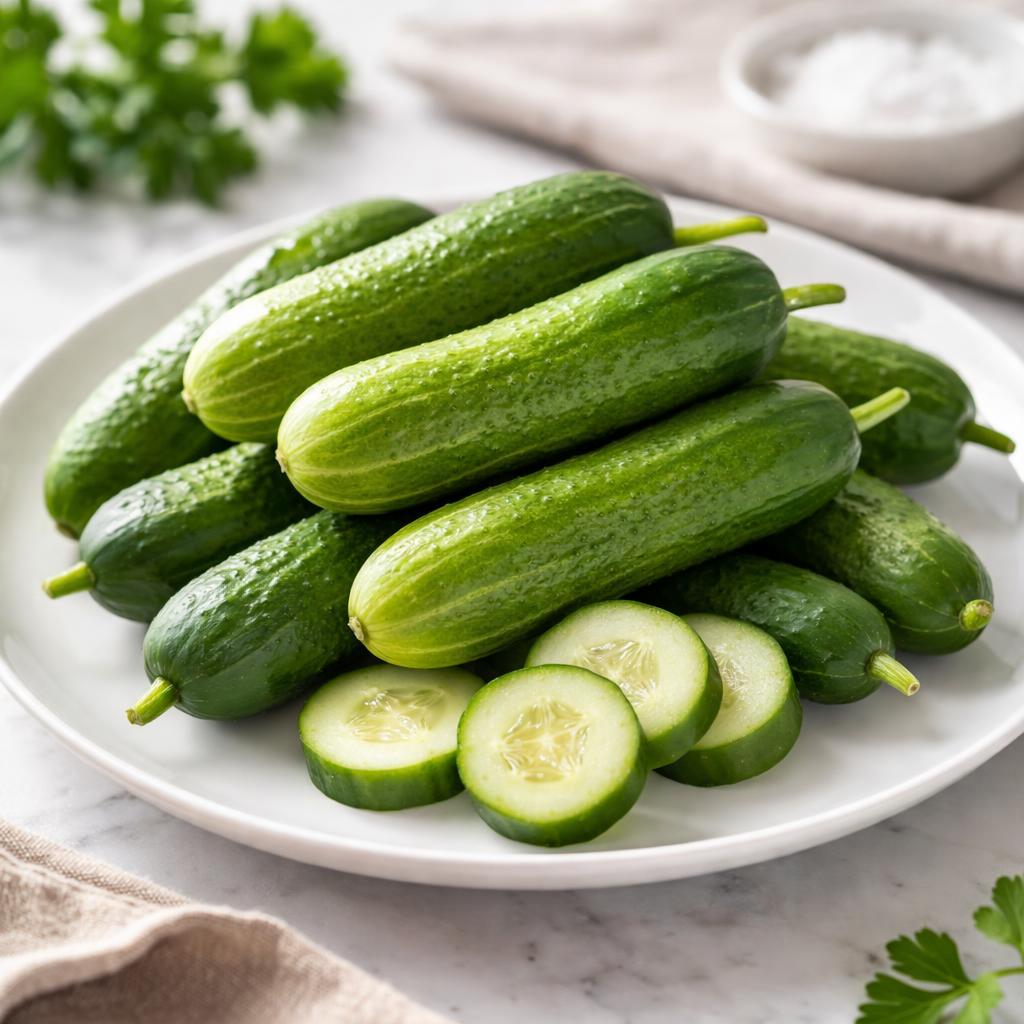
Mini Cucumber
🎯 Quick Verdict
Bread is more calorie-dense and provides higher protein and fiber per serving, making it better suited for energy and satiety. Mini cucumber is far lower in calories, offers hydration, and may be more suitable for those on low-calorie or low-carb diets. Both foods have different uses depending on dietary needs and goals.

Smart Nutrition Tracking with SnapCalorie

📊 Nutritional Comparison
Macronutrients
| Nutrient | Food 1 | Food 2 | Winner |
|---|---|---|---|
| Calories | 80 (per slice) | 15 (per cucumber) | − |
| Protein | 2g | 0.5g | − |
| Carbs | 15g | 2g | − |
| Fat | 1g | 0g | − |
| Fiber | 1g | 0.5g | − |
Vitamins & Minerals
| Nutrient | Food 1 | Food 2 | Winner |
|---|---|---|---|
| Vitamin C | 0mg | 3mg | − |
| Vitamin K | 0mcg | 16mcg | − |
| Calcium | 30mg | 10mg | − |
| Iron | 0.8mg | 0.3mg | − |
🏆 Category Winners
Protein
Bread contains 4 times more protein per serving than mini cucumber.
Fiber
Bread supplies double the amount of fiber per serving.
Calories
Mini cucumber is significantly lower in calories per serving compared to bread.
Vitamins
Mini cucumber provides valuable Vitamin C and Vitamin K, which bread lacks.
🥗 Diet Compatibility
Keto
Food 1: Not Compatible
Food 2: Compatible
Bread is high in carbohydrates, while mini cucumber is keto-friendly with only 2g of carbs per serving.
Vegan
Food 1: Compatible
Food 2: Compatible
Both bread and mini cucumber are vegan foods.
Gluten Free
Food 1: Not Compatible
Food 2: Compatible
Bread generally contains gluten, whereas mini cucumber is naturally gluten-free.
Paleo
Food 1: Not Compatible
Food 2: Compatible
Bread is processed and not paleo-friendly; mini cucumber aligns with paleo diet principles.
Low-Carb
Food 1: Not Compatible
Food 2: Compatible
Bread is high in carbohydrates, while mini cucumbers fit well into low-carb diets.
💪 Health Benefits Comparison
Food 1 Benefits
- Provides a source of quick energy from carbohydrates
- Offers some protein for satiety
- Contains iron and calcium for bone health
Food 2 Benefits
- Low-calorie snack perfect for weight loss
- Hydrating due to high water content
- Rich in Vitamin K for blood clotting and bone health
✅ The Bottom Line
Choose bread when you need a source of energy, protein, and fiber, especially for active lifestyles or as part of a meal. Opt for mini cucumber for a refreshing, low-calorie snack that supports hydration and fits into keto, paleo, and weight-loss diets.
Choose Food 1 for: Quick energy, satisfying meals, role as a carbohydrate source
Choose Food 2 for: Weight loss, hydration, low-carb snacking


